

The Story Behind Manhattan Parade's Broadway Setting
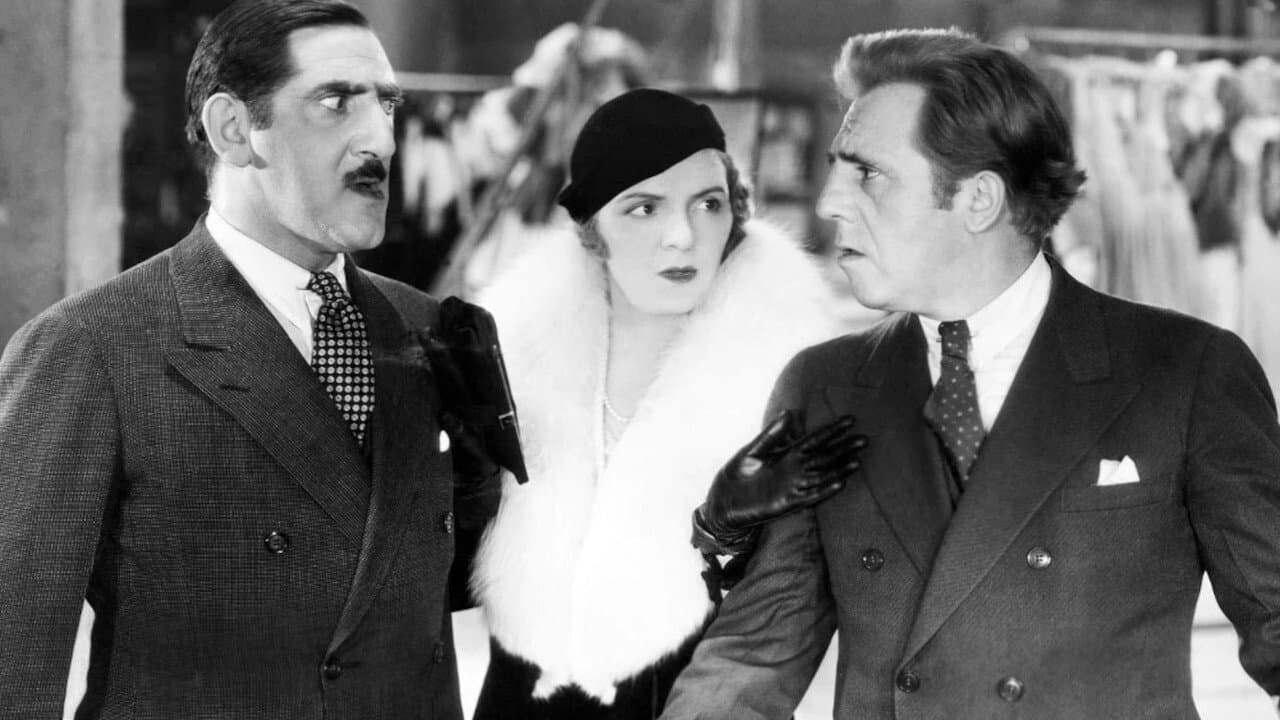
Manhattan Parade takes an unconventional approach to the Broadway musical world by centering its narrative on the owners of a theatrical costume shop rather than the performers themselves. Director Lloyd Bacon's 1931 film shifts focus from the glamour of the stage to the business side of theater — the people who dress the stars, manage inventory, and keep the machinery of show business running. It's a premise that's genuinely curious, even if the execution didn't quite land. The film captures a specific moment in theater history when costumes weren't just garments but essential storytelling tools, and the shops that created them were hubs of activity and intrigue.
How Manhattan Parade Came Together: Production, Cast, and the Studio's Gamble
Manhattan Parade was shot entirely in Technicolor, the expensive three-strip process that Warner Bros. reserved for prestige productions in the early 1930s. That investment alone signals how much the studio believed in the project initially. The film was produced by The Vitaphone Corporation and Warner Bros. Pictures, two entities that were navigating the seismic shift from silent cinema to sound — and now, from black-and-white to color. Originally scheduled for an early 1931 release, the picture was shelved almost immediately. The reason? Public apathy toward musicals had become a genuine problem for the studios. Audiences that had packed theaters for song-and-dance spectacles just two or three years earlier were suddenly staying home. Warner Bros. waited months, hoping sentiment would shift. It didn't. So in December 1931, the studio made a desperate decision: they removed all the music and released it as a straight comedy. That's right — a musical stripped of its songs, released to an indifferent domestic market. Interestingly, international audiences didn't share America's musical fatigue, so the film was distributed abroad in its original form, complete with all the musical numbers intact. It's a fascinating split-release strategy born from panic.
What Makes Manhattan Parade a Curious Artifact of Pre-Code Hollywood
There's something striking about a film that couldn't decide what it wanted to be. The thing nobody mentions is that Manhattan Parade sits at the intersection of multiple Hollywood crises — the death of the musical boom, the transition to sound, and the rise of Technicolor — all happening simultaneously. What's genuinely interesting is how the film tried to thread that needle by focusing on costume design as a narrative engine. The costume shop owners aren't just supporting players; they're the protagonists. That's a bold choice for 1931, when most films either centered on performers or relegated behind-the-scenes workers to comic relief. The pre-Code era allowed for a certain frankness about ambition, desire, and the cutthroat nature of show business that would become sanitized just a few years later. Even shorn of its musical numbers, the film carries that pre-Code sensibility — a willingness to show the less glamorous side of Broadway. The performances, whatever their merits, reflect that era's acting style: broad, theatrical, often pitched at an intensity that feels alien to modern viewers. Critics have noted that the film's pacing and structure suffer from the removal of the musical sequences, which likely provided necessary breathing room in the original cut. The IMDb rating of 3.2/10 suggests that contemporary audiences — and subsequent generations watching the truncated version — found it difficult to engage with what remained.
Where to Stream Manhattan Parade Online
Manhattan Parade is available on major OTT services, and Movie OTT maintains a current list of where you can watch it. Since streaming rights shift regularly, the Where to Watch widget at the top of this page will show you exactly which platforms are carrying it right now in your region. The film's obscurity means it doesn't appear on every streaming service, but if you're hunting for pre-Code curiosities or early Technicolor experiments, it's worth checking your usual haunts — the major services do rotate catalog titles, and Manhattan Parade occasionally surfaces on platforms specializing in classic Hollywood. Movie OTT tracks these availability changes, so you won't waste time searching dead links.
Frequently asked questions
Q: Why did Warner Bros. remove the music from Manhattan Parade?
The studio shelved the film in early 1931 because audiences had grown tired of musicals. After waiting months with no change in public sentiment, Warner Bros. reluctantly released it in December 1931 as a straight comedy, stripping out all musical numbers in hopes of finding an audience.
Q: Was Manhattan Parade released as a musical anywhere?
Yes. While American audiences saw the music-free version, the film was released internationally in its original form, complete with all musical sequences intact, since audiences outside the U.S. hadn't soured on the genre.
Q: Who directed Manhattan Parade?
Lloyd Bacon directed the film. Bacon was a prolific Warner Bros. contract director who worked across multiple genres throughout the 1930s and beyond.
Q: What is Manhattan Parade about?
The film focuses on the owners of a Broadway theatrical costume shop, offering a behind-the-scenes look at theater business rather than the performers themselves — an unusual angle for a 1931 Hollywood production.
Q: How long is Manhattan Parade?
The film runs 75 minutes, which is relatively brief even by 1931 standards, and may reflect the awkwardness of the post-removal edit.
Final Thoughts on Manhattan Parade as a Historical Curiosity
Manhattan Parade doesn't work as entertainment by modern standards, but it's genuinely fascinating as a historical artifact. It's a film that captures Hollywood's panic, a studio's desperation, and the collision of technological and cultural forces that were reshaping cinema. The fact that it exists in two completely different versions — one with music, one without — makes it a peculiar time capsule. If you're interested in pre-Code cinema, early Technicolor, or the forgotten casualties of Hollywood's genre cycles, it's worth a look. Just don't expect the 3.2 IMDb rating to be misleading.