





The story of Manslayer/Virgin/Shadow across three centuries
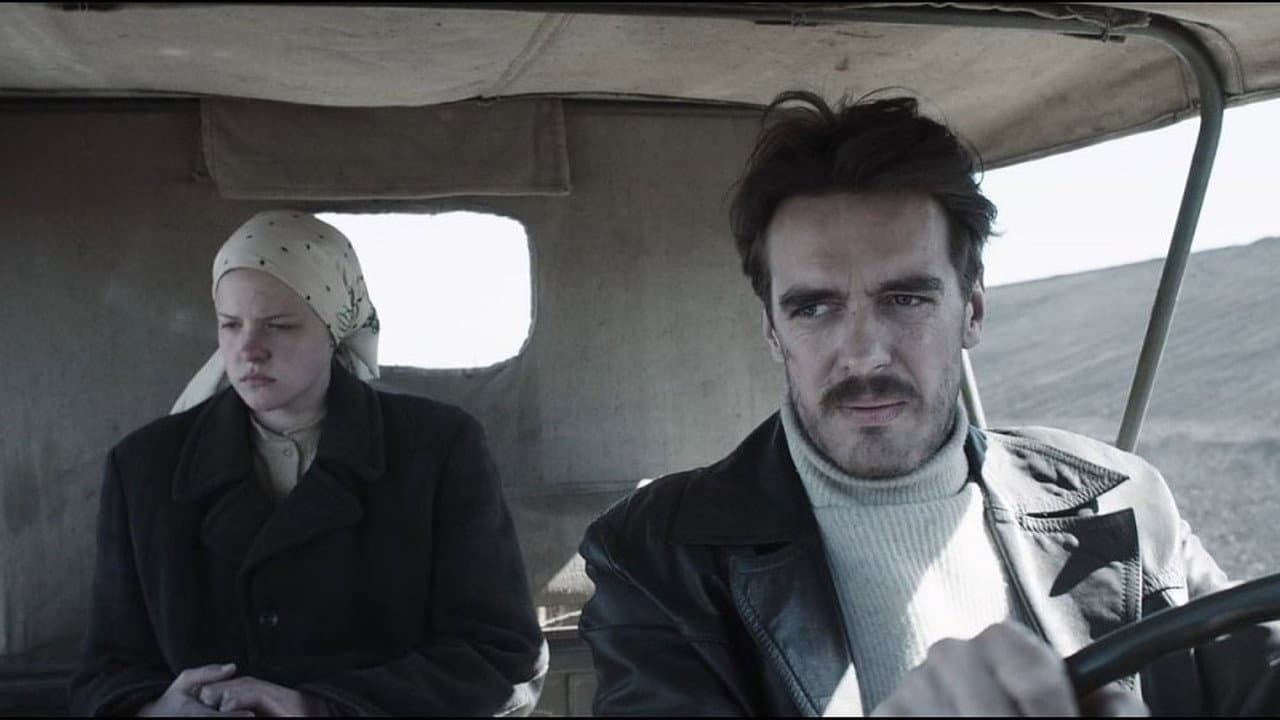
Manslayer/Virgin/Shadow isn't a conventional narrative — it's something closer to a fever dream made tangible. The film unfolds across three distinct chapters, each set in a different era, yet bound by a singular artistic conceit: the same actress embodies all three protagonists. In "The Manslayer," we're transported to a time more than a hundred years past, where a young bride named Maara confronts the weight of stepping into a new family and the expectations that come with that role. Then we jump to "The Virgin," set in spring 1949, following a young woman named Elina who's been deported from Ingria into Estonia during wartime—a story rooted in the real historical displacement and trauma of the region. Finally, "The Shadow" brings us into the present day, where Luna Lee exists in a liminal space between reality and fantasy, having made the desperate choice to flee her home. What's striking is how the film doesn't explain these connections—it trusts you to find the threads yourself.
The 135-minute runtime allows each chapter to breathe, though the pacing won't suit everyone. There's a deliberate slowness to Manslayer/Virgin/Shadow that demands patience. You're not here for plot momentum. You're here for atmosphere, for the weight of history pressing down on contemporary life, for the way a single face can carry the echoes of generations.
Behind the making of Manslayer/Virgin/Shadow
Manslayer/Virgin/Shadow emerged from Estonian and Finnish production houses—F-Seitse and Era Film—bringing together a distinctly Northern European sensibility. The film was released in 2017, arriving during a period when smaller European cinemas were experimenting with more fragmented, ambitious narrative structures. While it hasn't dominated mainstream awards circuits, the film has found its audience among cinephiles and festival programmers who appreciate its uncompromising vision.
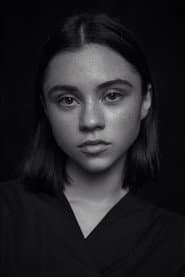
The casting decision to use a single actress across all three chapters is the film's boldest creative choice, and it's the kind of choice that either works completely or doesn't work at all—there's no middle ground. The actress carries the entire weight of the film, and the success of Manslayer/Virgin/Shadow hinges almost entirely on her ability to embody three distinct women separated by decades while maintaining a thread of thematic continuity. Directors working in this mode aren't interested in box office returns or broad appeal; they're interested in whether an idea can sustain itself across two hours and fifteen minutes, whether an audience will follow them into uncomfortable, unresolved emotional territory.
The production design and cinematography reflect a commitment to visual authenticity across the three time periods, with each chapter carrying its own color palette and visual language. This isn't a film that was made to be a crowd-pleaser, and the IMDb rating of 4.667/10 reflects that polarizing nature—some viewers find the ambition electrifying, while others find the pacing and emotional opacity frustrating.
What makes Manslayer/Virgin/Shadow stand out
What makes Manslayer/Virgin/Shadow stand out is its refusal to explain itself. The film doesn't offer you neat thematic conclusions or character arcs that resolve neatly. Instead, it presents three moments in time—three women—and asks you to sit with the discomfort of their situations. Maara's transition into her new family role carries a weight that feels almost suffocating. Elina's story, rooted in the real historical trauma of Ingrian deportations, carries the weight of collective displacement and loss. Luna Lee's contemporary struggle with escape and emptiness feels like a natural evolution, or maybe a mutation, of those earlier traumas.
I keep coming back to the central performance. Playing three characters across three centuries could be a gimmick—a showy bit of casting that calls attention to itself. Instead, it works as a kind of visual meditation on how trauma and displacement echo through time. The actress doesn't try to make these women seem identical; she finds something essential in each of them, a core of resilience or desperation that persists across the decades. There's a scene in the 1949 chapter where Elina is processing her deportation, and the quiet devastation in that moment—the way displacement becomes a kind of permanent interior state—stays with you.
The film's structure is also deliberately challenging. It doesn't build toward a climax or resolution. Each chapter ends, and you're left to sit with it. Some critics have found this frustrating, and honestly, that's a fair response. But for viewers who connect with what Manslayer/Virgin/Shadow is attempting, that refusal to provide catharsis feels honest. Life doesn't resolve. Trauma doesn't get tied up in ninety minutes. Sometimes you just carry it forward, across time, across borders, across different versions of yourself.
How to stream Manslayer/Virgin/Shadow online
Manslayer/Virgin/Shadow is available on major OTT services, and Movie OTT provides a comprehensive tracker of where this title is currently streaming in your region. Rather than bouncing between services trying to track down a film, Movie OTT aggregates availability across platforms so you can see exactly where to find it right now. The film's 135-minute runtime makes it a substantial commitment, so you'll want to know your viewing options upfront. Check the Where to Watch widget at the top of this page to see current availability—streaming rights shift frequently, and what's available today might not be tomorrow. If you're looking for challenging, unconventional drama that won't fit neatly into your usual viewing patterns, this is worth hunting down.
Frequently asked questions
Q: Is Manslayer/Virgin/Shadow based on a true story?
The "Virgin" chapter draws from real historical events—the deportation of Ingrians from Ingria into Estonia during wartime—though the film itself is a fictional exploration of that trauma rather than a direct historical account. The other two chapters are entirely fictional, using the historical moment as context for broader themes about displacement and identity.
Q: Who plays the three main characters in Manslayer/Virgin/Shadow?
All three characters—Maara, Elina, and Luna Lee—are played by the same actress, which is the film's central artistic conceit and the lynchpin of its thematic structure.
Q: Why does Manslayer/Virgin/Shadow have such a low IMDb rating?
The film's 4.667/10 rating reflects its deliberately challenging and unconventional approach to narrative. It doesn't provide easy answers, moves slowly, and refuses conventional resolution—qualities that appeal to some viewers but frustrate others who come expecting traditional drama.
Q: How long is Manslayer/Virgin/Shadow?
The film runs 135 minutes, giving each of its three chapters substantial screen time to develop its own atmosphere and themes without rushing toward resolution.
Q: What should I expect when watching Manslayer/Virgin/Shadow?
Expect a meditative, deliberately paced exploration of how trauma and displacement echo across time. This isn't a plot-driven narrative—it's an emotional and thematic one. If you're drawn to ambitious, challenging cinema that trusts audiences to find meaning in what's unsaid, you'll likely find something valuable here.
Final thoughts on Manslayer/Virgin/Shadow
Manslayer/Virgin/Shadow won't be for everyone. It's slow, it's strange, it doesn't resolve neatly, and it asks more of its audience than most contemporary films do. But for viewers willing to sit with discomfort and ambiguity, willing to let a single performance carry the weight of three distinct lives across time, there's something genuinely haunting here. The film trusts you. It doesn't explain itself. That's either a profound strength or a fundamental flaw, depending on what you're looking for. Either way, it's a film that stays with you—not always comfortably, but persistently.