The Story of Martin Luther's Conscience and Courage
Martin Luther is a 1953 biographical drama that captures one of history's most consequential moments: when a single monk's act of conscience shattered the religious order of an entire continent. Directed by Irving Pichel, the film spans Martin Luther's life between 1505 and 1530, tracing his transformation from an Augustinian friar wrestling with faith to the man whose "95 Theses" would ignite the Protestant Reformation. The film's tagline—"No man can command my conscience!"—isn't just a slogan; it's the philosophical backbone of a 105-minute journey through theology, politics, and personal conviction. What's striking is how the film treats Luther not as a saint or a villain, but as a flawed human caught between his own spiritual doubts and the immense machinery of institutional power.
The narrative doesn't shy away from Luther's internal struggle. Early scenes establish him as a young priest tormented by questions of grace and salvation—the very questions that would eventually pit him against Rome. The film doesn't rush through his academic work or his spiritual awakening; instead, it lets these tensions simmer, building toward the moment when Luther nails his theses to the church door in Wittenberg. That act, captured with appropriate historical weight, becomes the hinge upon which everything turns. From there, the story accelerates through Diet of Worms, papal condemnation, and the gathering storm of political consequence. It's a film that understands how ideas become movements, and how one person's refusal to recant can reshape the world.
Behind the Making of Martin Luther: Production, Cast, and Scope
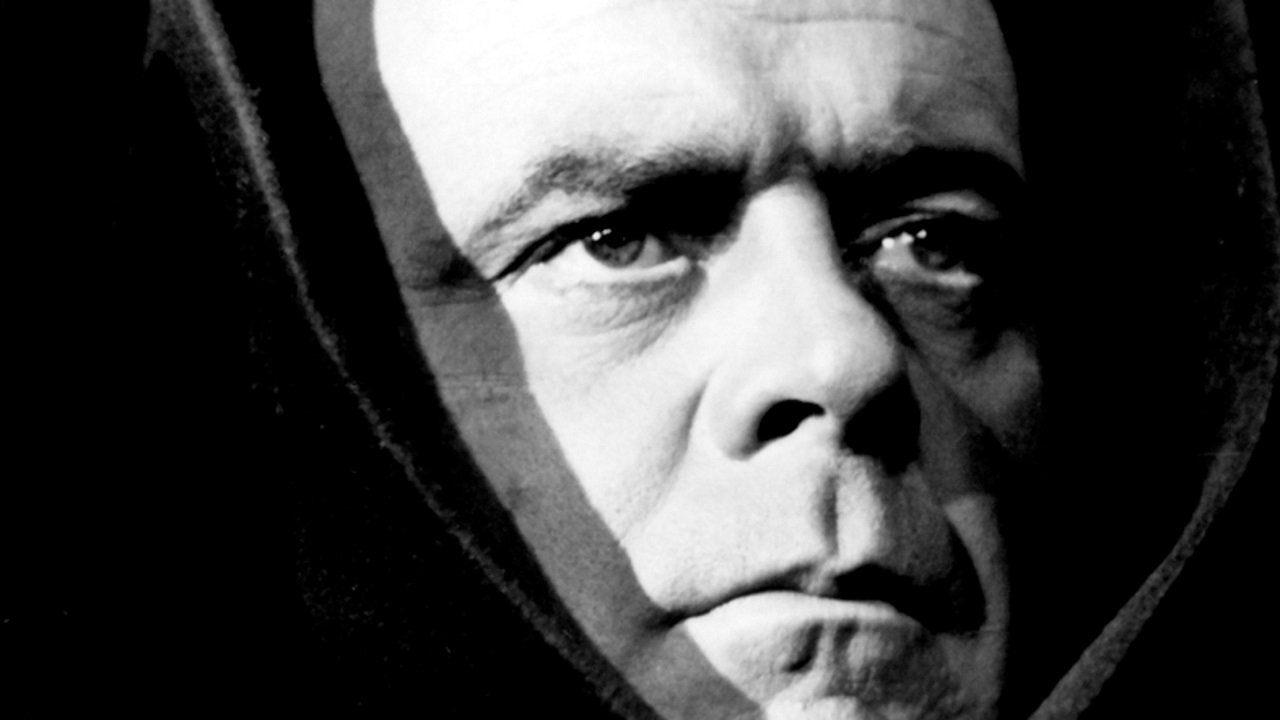
Martin Luther was produced by Louis de Rochemont Associates in collaboration with Lutheran Church Productions and Luther-Film-G.M.B.H., a partnership that gave the project both artistic credibility and institutional backing. The film's production involved significant resources—this wasn't a low-budget historical sketch, but a proper epic with location work and period detail befitting the subject's importance. Pichel, who directed the film, also appeared in a supporting role, a choice that speaks to his investment in the material. The lead role of Martin Luther went to Irish actor Niall MacGinnis, whose commanding presence and ability to convey both intellectual conviction and human vulnerability made him ideal for the part. MacGinnis carries the film on his shoulders across its full 105-minute runtime, and he rarely falters.
The 1953 release date places Martin Luther in an interesting historical moment—just eight years after World War II's end, when questions about conscience, institutional power, and individual moral responsibility still felt urgent and immediate. The film found an audience among both religious communities and general moviegoers interested in historical drama, earning a solid IMDb rating of 7.3 out of 10. It didn't become a mainstream blockbuster, but it carved out a respected place in the catalog of serious biographical cinema. The production values are evident throughout: the sets evoke 16th-century Germany and Rome with appropriate grandeur, and the cinematography captures both intimate moments of doubt and grand scenes of theological debate. For those tracking where this film sits in the landscape of religious dramas, Movie OTT maintains current availability across major streaming platforms, making it more accessible now than it's been in decades.
Why Martin Luther Stands Out as Historical Drama
What makes Martin Luther work—really work—is its refusal to simplify its protagonist. MacGinnis plays Luther as a man genuinely torn between obedience and conscience, not as a cardboard revolutionary. There's a scene where Luther agonizes over his vows, his faith, his very identity as a priest, and the actor doesn't turn it into melodrama; he lets the spiritual crisis breathe. That's the film's greatest strength. It doesn't present Luther's break with Rome as inevitable or predetermined, but as a genuine moral reckoning that costs him everything he thought he knew.
The supporting cast grounds the drama in political reality. We see cardinals, princes, and papal legates not as caricatures but as men with their own logic, their own reasons for resisting Luther's challenge. The Diet of Worms sequence—where Luther famously refused to recant—unfolds with genuine dramatic tension because we understand the stakes for everyone involved. The film doesn't ask you to simply cheer for the hero; it asks you to understand why the institutions opposing him believed they were right to do so. That's more sophisticated than most historical dramas manage.
I keep coming back to the film's central theme: conscience versus authority. In 1953, that wasn't an abstract question. It spoke to post-war anxieties about totalitarianism, obedience, and the individual's right to dissent. The film taps into something deeper than just Renaissance history. It's asking whether one person's moral clarity can stand against the weight of institutional power—a question that doesn't get old. The performances are measured rather than showy, which actually heightens the emotional impact when tension does erupt. This isn't a film that mistakes volume for passion.
Where to Stream Martin Luther Online
Martin Luther is currently available on major OTT services, making it easier than ever to access this classic biopic from your home. The film's availability across streaming platforms means you don't need to hunt through specialty video rental shops or wait for a cable broadcast; you can watch it on demand. Check the "Where to Watch" widget at the top of this page for the most current list of platforms carrying the title in your region. Whether you're a history enthusiast, a student of the Reformation, or simply someone drawn to character-driven drama, the streaming landscape has made Martin Luther readily available. Movie OTT tracks these availability updates across platforms, so you'll always know where to find it.
Frequently asked questions
Q: Who directed Martin Luther and what was his role in the film?
Irving Pichel directed the 1953 Martin Luther and also appeared in a supporting role. His dual involvement—both behind and in front of the camera—reflected his deep commitment to bringing the Reformer's story to the screen with authenticity and scope.
Q: Is Martin Luther based on a true story?
Yes. The film covers Martin Luther's actual life between 1505 and 1530, chronicling his journey from Augustinian friar to the figure who sparked the Protestant Reformation. While dramatized for cinema, the major events—his theological struggles, the posting of the 95 Theses, and the Diet of Worms—are historically grounded.
Q: How long is the Martin Luther film?
The film runs 105 minutes, giving it enough time to explore both Luther's internal spiritual journey and the external political upheaval his actions triggered across Europe.
Q: What's the IMDb rating for Martin Luther?
Martin Luther holds a rating of 7.3 out of 10 on IMDb, reflecting solid critical and audience appreciation for its performances, historical scope, and thematic depth.
Q: What does the tagline "No man can command my conscience" mean?
The tagline captures Luther's core conviction—his refusal to submit his conscience to institutional authority, even when that authority was the Catholic Church itself. It's the philosophical heart of the film and the Reformation movement.
Final Thoughts on Martin Luther
Martin Luther isn't a film that tries to dazzle you with spectacle or manipulate your emotions through manufactured drama. Instead, it trusts its material and its lead actor to carry you through one of history's pivotal moments. Niall MacGinnis gives a performance that's both intellectually engaged and emotionally authentic—he makes you believe in Luther's struggle, his doubts, and his ultimate conviction. If you're looking for a serious historical drama that doesn't condescend to its subject or its audience, this is it. Don't expect action sequences or romantic subplots; expect ideas, tension, and a man standing alone against the world because his conscience won't let him do otherwise.