
The Story of Mary Reilly
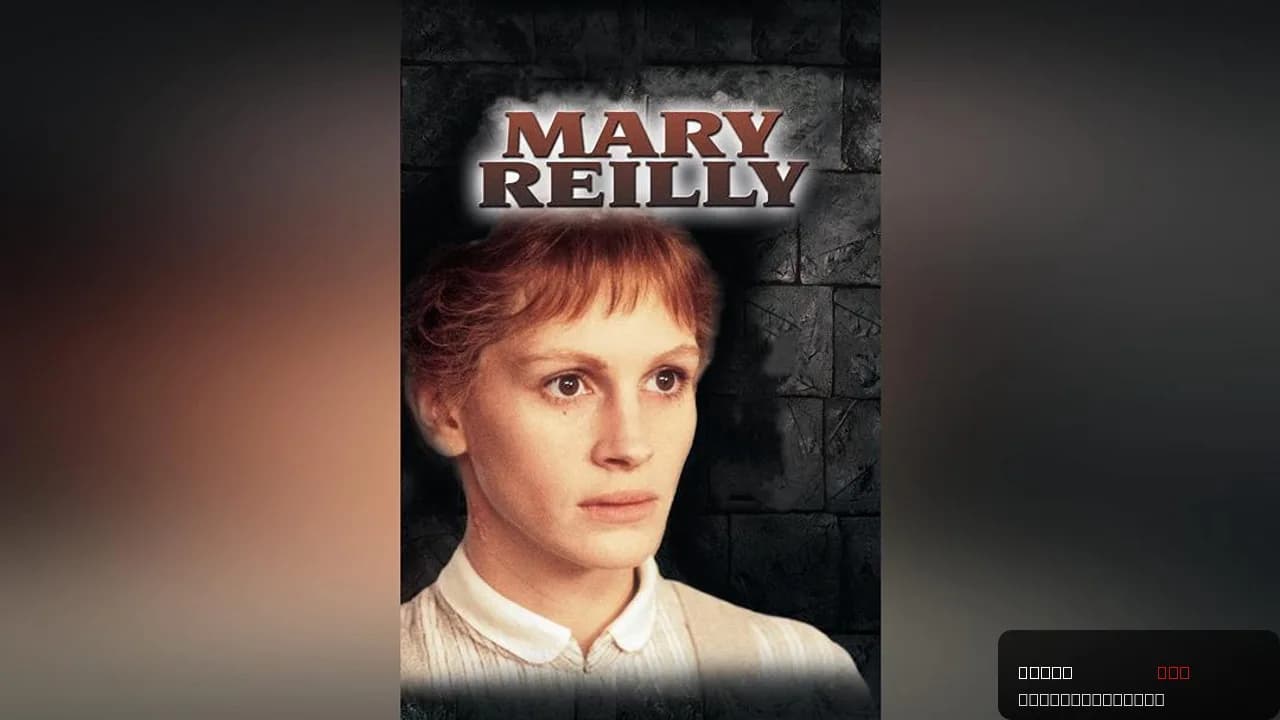
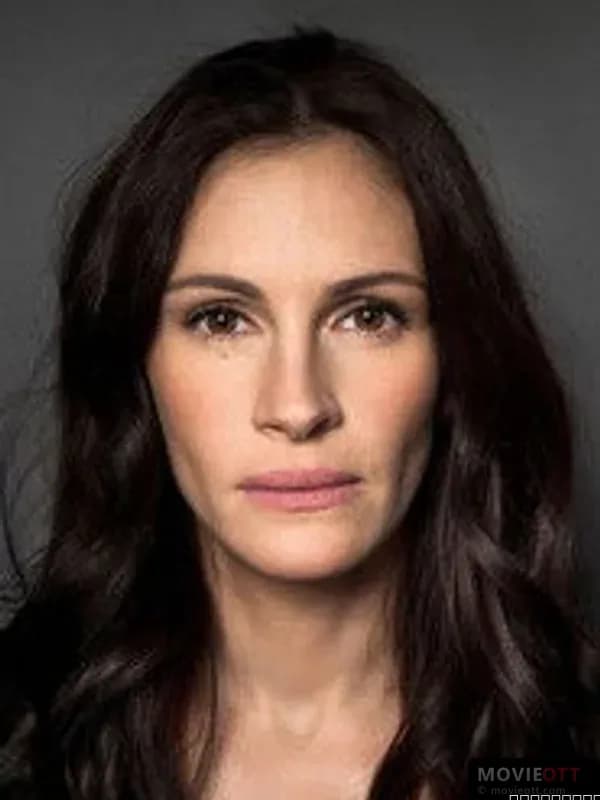
When you think of Robert Louis Stevenson's The Strange Case of Dr. Jekyll and Mr. Hyde, you probably picture the doctor himself—the internal struggle, the transformation, the moral reckoning. But what if the real story belonged to someone else entirely? That's the premise director Stephen Frears explores in Mary Reilly, a 1996 Gothic horror film that reimagines the classic tale from the perspective of the household's innocent domestic worker. Julia Roberts plays Mary, a young woman employed in Dr. Jekyll's London home who begins to notice strange occurrences: late-night experiments, peculiar visitors, and her employer's increasingly erratic behavior. As she pieces together the truth about what's happening behind closed doors, she realizes her benefactor is harboring a horrifying secret—one that threatens everything she's come to believe about the man she serves.
Behind the Making of Mary Reilly
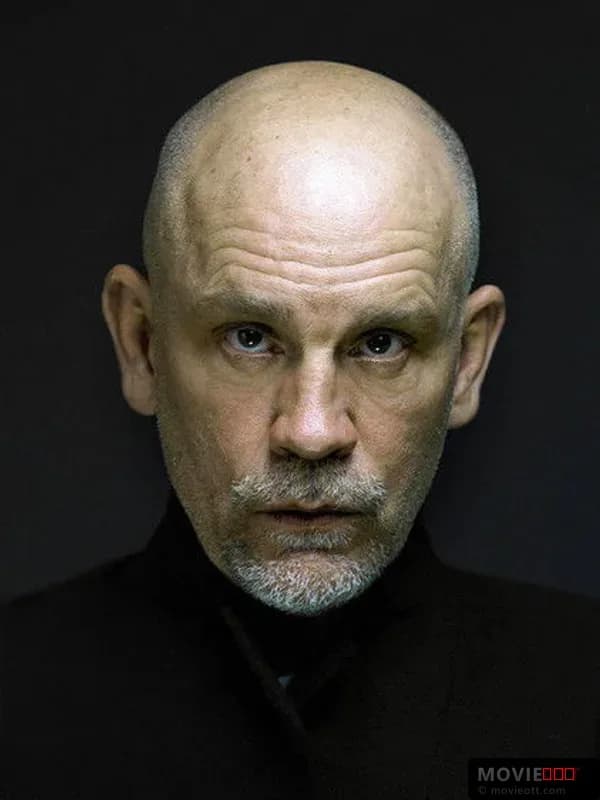
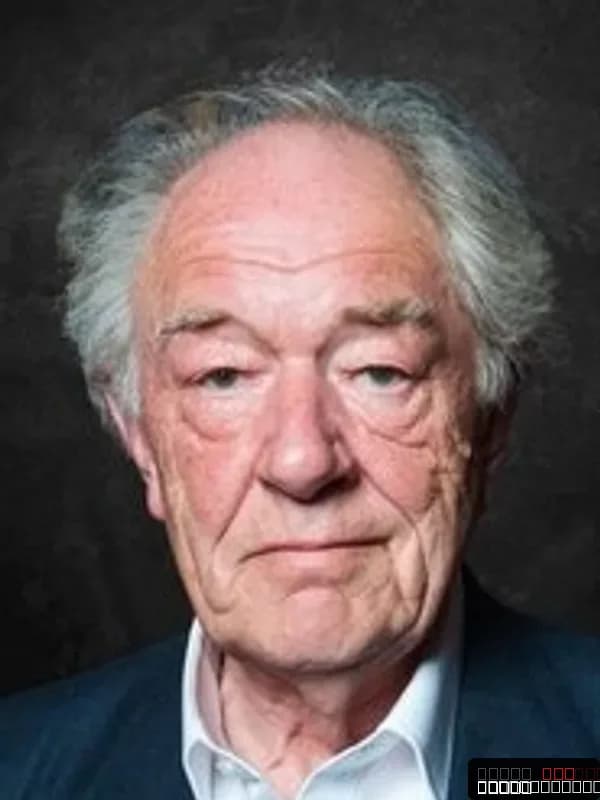
Mary Reilly arrived in 1996 as an ambitious literary adaptation, based on Valerie Martin's 1990 novel of the same name rather than directly from Stevenson's original text. Christopher Hampton, known for his work on Dangerous Liaisons, penned the screenplay, bringing his ear for period dialogue and psychological tension to the project. Stephen Frears, the British director behind The Grifters and Prick Up Your Ears, took the helm, lending the film a distinctly European sensibility despite its American financing. The cast alone signaled serious intent: Julia Roberts was riding high after Erin Brockovich, while John Malkovich—fresh from his unsettling turn in In the Line of Fire—brought his characteristic intensity to the role of Dr. Jekyll. The supporting ensemble included Michael Gambon, Glenn Close, and George Cole, all seasoned performers capable of anchoring the film's darker moments. The production was a UK-US co-production, shot primarily in London with a budget that reflected the studio's confidence in the project. That confidence, however, didn't translate to box office success; the film struggled commercially and received mixed reviews upon release, landing a 5.7/10 rating on IMDb that reflects the divided critical response.
What Makes Mary Reilly Stand Out
Here's what's interesting about Mary Reilly: it doesn't try to retell Stevenson's story. Instead, it asks a question that nobody in the Victorian era thought to ask—what's it like to be the person cleaning up after the monster? Roberts' performance anchors the film in a kind of bewildered innocence that, while occasionally frustrating to viewers, creates genuine pathos. She's not a detective or a confidante; she's a working-class woman trying to survive in a household where the rules keep shifting. The thing nobody mentions is how the film actually works best when it leans into the Gothic atmosphere rather than the plot mechanics. Frears and cinematographer Ian Wilson craft some genuinely unsettling sequences—the laboratory scenes feel genuinely menacing, and Malkovich's dual performance (Jekyll versus his darker impulses) carries an undercurrent of psychological dread that elevates the material beyond simple monster-movie territory. What's striking is the film's willingness to sit with discomfort: it doesn't always resolve neatly, and the emotional stakes feel real even when the narrative structure creaks a bit. That said, the film does struggle with pacing and tone—it can't quite decide if it's a psychological thriller, a Gothic romance, or a social-commentary piece about class and power dynamics in Victorian England, and that uncertainty shows.
Where to Stream Mary Reilly Online
Mary Reilly is currently available to stream on Prime Video, making it accessible to anyone with an active subscription. If you're tracking where to watch this 1996 Gothic oddity, Movie OTT keeps tabs on which platforms carry it, so you can check real-time availability without hunting across multiple services. The film's 108-minute runtime makes it a manageable evening watch, and the streaming format actually works in its favor—the intimate, chamber-piece quality of much of the storytelling plays better on a smaller screen than it might have in a crowded multiplex. That's likely why it's found a modest second life on streaming platforms, where genre enthusiasts and curious Roberts fans can discover it without the theatrical expectations that doomed it in 1996.
Frequently Asked Questions
Q: Is Mary Reilly based on a true story?
No. Mary Reilly is adapted from Valerie Martin's 1990 novel, which itself is a reimagining of Robert Louis Stevenson's 1886 novella The Strange Case of Dr. Jekyll and Mr. Hyde. It's a fictional take on fictional source material.
Q: Who directed Mary Reilly?
Stephen Frears, a British director known for films like The Grifters and Dangerous Liaisons, directed Mary Reilly. He brought his trademark psychological sophistication to this Gothic horror adaptation.
Q: How long is Mary Reilly?
Mary Reilly runs 108 minutes, making it a fairly standard-length feature that doesn't overstay its welcome despite its deliberate pacing.
Q: What's the age rating for Mary Reilly?
The film contains horror elements and some violence, though it's not excessively graphic by modern standards. It's generally appropriate for mature teens and adults, though parents should check local ratings guidance.
Q: Why did Mary Reilly receive poor reviews?
Critics were divided on whether the housemaid's perspective actually added meaningful insight to the Jekyll and Hyde story, and some felt the film's tone was uneven. The film's commercial and critical underperformance likely stemmed from mixed word-of-mouth rather than universal dismissal.
Final Thoughts on Mary Reilly
Look—Mary Reilly isn't a perfect film, and it's easy to understand why it didn't find an audience in 1996. But it's a genuinely interesting failure, the kind of ambitious swing that doesn't quite connect but stays with you anyway. It's worth watching if you're curious about how different storytellers have approached the Jekyll and Hyde material, or if you want to see Roberts and Malkovich in a darker register than their typical roles. Don't expect a crowd-pleaser. Do expect atmosphere, psychological unease, and a film that trusts its audience to sit with ambiguity and dread.