






The Story of Matewan and Its Historical Roots
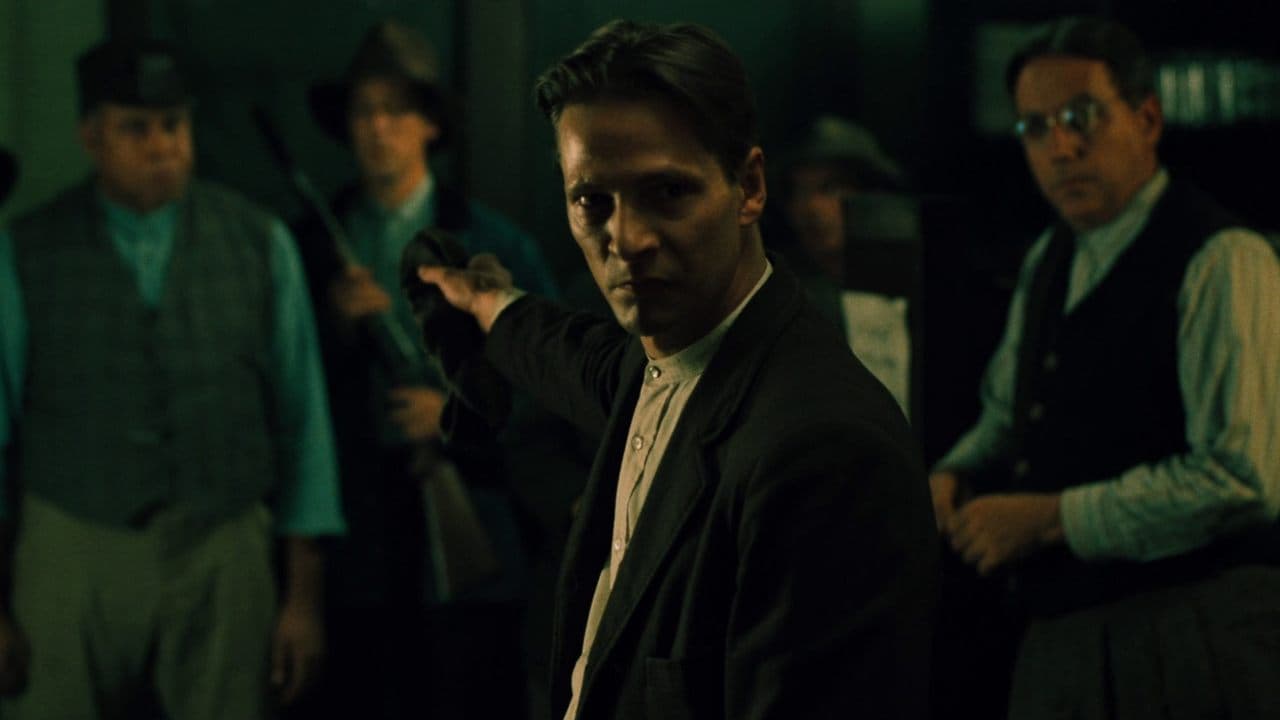
Matewan captures a moment when ordinary people decided they'd had enough. Set in the coal country of West Virginia during the 1920s, the film dramatizes the Battle of Matewan—a real strike that erupted when miners demanded basic safety, fair wages, and an end to company store exploitation. The narrative follows Joe Kenehan, a seasoned union organizer who arrives in this small Appalachian town to mobilize workers, and "Few Clothes" Johnson, a scab (a worker who crosses picket lines) who gradually recognizes that his real enemies aren't the striking miners but the coal company and the local power structure that profits from their suffering. What unfolds isn't a straightforward victory story—it's messier, more human, and ultimately more powerful than that. The mayor and police chief, sympathetic to the workers' plight, find themselves caught between their conscience and the economic forces that sustain their town. It takes more than guns to kill a man, the tagline promises, and the film spends 132 minutes proving what it really takes: solidarity, moral clarity, and the willingness to risk everything.
Behind the Making of Matewan and Its Cast
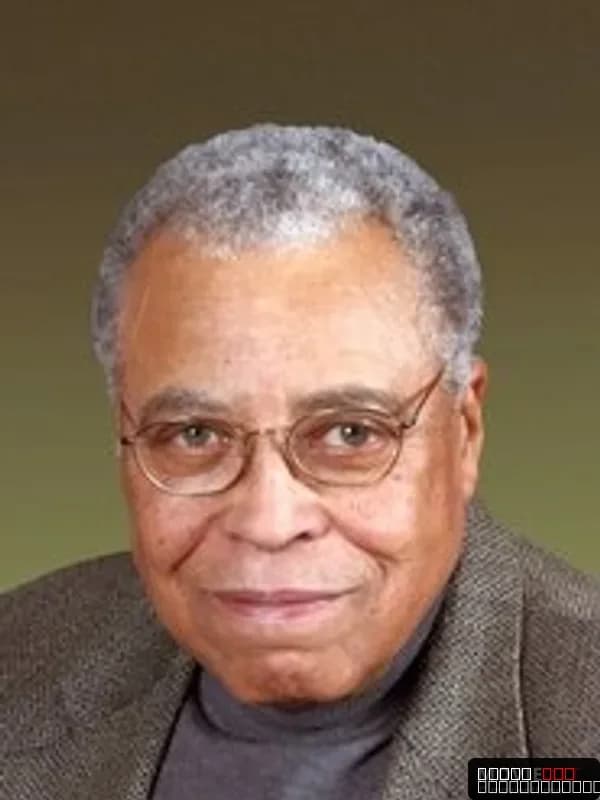
John Sayles wrote and directed Matewan as an independent production, a feat that required navigating the fractured landscape of 1980s American cinema. The film was produced by Cinecom Entertainment Group, Film Gallery, Goldcrest, Red Dog Films, and Winwood Productions—a coalition of smaller studios betting on a story about labor organizing rather than action spectacle or romance. Sayles had already proven himself as a filmmaker with Lianna and The Return of the Secaucus Seven, but Matewan represented his most ambitious historical undertaking. The cast assembled around him was formidable: Chris Cooper, then less known than he'd later become, carries the film as Kenehan with a quiet intensity that grounds the political drama in lived experience. James Earl Jones—already a towering presence in American cinema—plays Few Clothes Johnson, and his performance manages the difficult trick of making a man's moral awakening feel earned rather than preachy. Mary McDonnell, Will Oldham, David Strathairn, Kevin Tighe, and Gordon Clapp fill out the ensemble, each bringing specificity to roles that could've been stock characters in less careful hands. The production shot on location in West Virginia itself, which means the landscape isn't a backdrop—it's a character, all grey skies and cramped mining towns where every corner speaks to economic desperation. On a budget that'd seem impossibly tight by today's standards, Sayles created something that still holds up because he understood that authenticity costs less than spectacle.
Why Matewan Endures as a Labor Drama
What's striking about Matewan is how it refuses to simplify its characters into heroes and villains, even as it's clearly on the side of the workers. The coal company executives never appear onscreen—they're felt as an absent force, which somehow makes them more sinister than any scenery-chewing villain could be. Few Clothes Johnson's transformation from scab to ally isn't rushed; you see him learning, resisting, then finally understanding that he's been fighting the wrong enemy. That's the film's central insight: the real division isn't between workers and scabs, it's between those who control capital and those whose labor enriches others. Chris Cooper's Joe Kenehan never lectures—he organizes, he listens, he shows up. There's a scene early on where he sits with miners in a cramped home, and instead of grand speeches, he asks questions and lets them articulate their own grievances. That's organizing as Sayles understands it: patient, democratic, rooted in actual human conversation. James Earl Jones brings a weathered dignity to Few Clothes that makes his eventual choice to stand with the union feel like a man reclaiming his own worth. The supporting cast—particularly Mary McDonnell as the town's moral center—reminds us that solidarity wasn't abstract for these people; it meant choosing your neighbors over a paycheck, risking your safety, accepting that the authorities you'd been taught to respect might turn guns on you. When the violence finally comes—and it does, brutally—you feel the weight of it because Sayles has spent two hours making you care about these specific people. That's craft. That's why the film holds a 7.384 rating on IMDb and why it's remained in circulation on streaming platforms: it works as both a historical document and a deeply human drama about what we owe each other.
How to Stream Matewan Online
Matewan is available on major OTT services, and Movie OTT tracks current streaming availability so you can find exactly where it's playing right now. The film's 132-minute runtime means you'll want to set aside a solid evening—this isn't something to half-watch while scrolling your phone. Because the story builds through character interaction and dialogue rather than action sequences, your attention pays off. Depending on your region and subscription services, you might find it on platforms that specialize in independent cinema and classics, or on broader services that maintain deeper back catalogs. The Where to Watch widget at the top of this page shows you every platform currently carrying Matewan, so you can jump straight to watching without hunting. What's nice about revisiting older independent films like this on streaming is that you're not competing with theatrical releases for attention—you can discover it on your own terms, which is how a lot of great cinema finds its audience in the first place.
Frequently Asked Questions
Q: Is Matewan based on a true story?
Yes. The film dramatizes the Battle of Matewan, a real 1920 coal miners' strike in West Virginia. John Sayles took historical events and characters as his foundation, then developed them into a narrative that captures the emotional and moral stakes of labor organizing during that era.
Q: Who directed Matewan?
John Sayles wrote and directed the film. He's known for independent cinema that centers working-class stories and ensemble casts, and Matewan remains one of his most celebrated works.
Q: What year was Matewan released?
Matewan came out in 1987 as an independent production, arriving during a period when American cinema was increasingly dominated by blockbusters, making its focus on labor history and character-driven drama genuinely countercultural.
Q: How long is Matewan?
The film runs 132 minutes, giving Sayles enough time to develop his characters and let scenes breathe rather than rushing toward plot points.
Q: What's the main theme of Matewan?
The film explores solidarity, economic exploitation, and the human cost of fighting for workers' rights. It asks what we're willing to sacrifice for dignity and how we recognize our common interests across social divisions.
Final Thoughts on Matewan
Matewan doesn't offer easy answers or cathartic victories. What it offers is something rarer: a serious, thoughtfully made film about ordinary people trying to build power against systems designed to keep them powerless. The performances are understated but devastating. The direction trusts you to understand the stakes without spelling them out. If you're drawn to historical dramas that don't condescend to their subjects, or if you're interested in how cinema can grapple with labor and justice, this is essential viewing. It's a film that respects both its characters and its audience—a quality that's never gone out of style.