








The story of Multiple Sarcasms
Gabriel looks like he has it all figured out. Successful architect, beautiful wife Annie, devoted young daughter Elizabeth — the suburban dream, fully furnished and mortgage-approved. But here's the thing: he's miserable. Not in some obvious, dramatic way. It's quieter than that. A slow, creeping realization that the life he built doesn't actually fit him anymore. So he does something radical. He quits his job, gets his pushy literary agent friend to represent him, and starts writing a play about the exact sorry state of his existence. It's a gamble that destroys his marriage but somehow — improbably — leads him somewhere better. Not back to where he started, but somewhere different. Somewhere that's actually his.
Multiple Sarcasms (2010) is fundamentally about that gap between the life you're supposed to want and the life you actually need. Gabriel's journey isn't about discovering that he was always a secret artist or that his wife was secretly terrible. It's messier than that. It's about a man who finally admits he can't keep performing the role he's been cast in, even if walking away means losing everything else.
Behind the making of Multiple Sarcasms
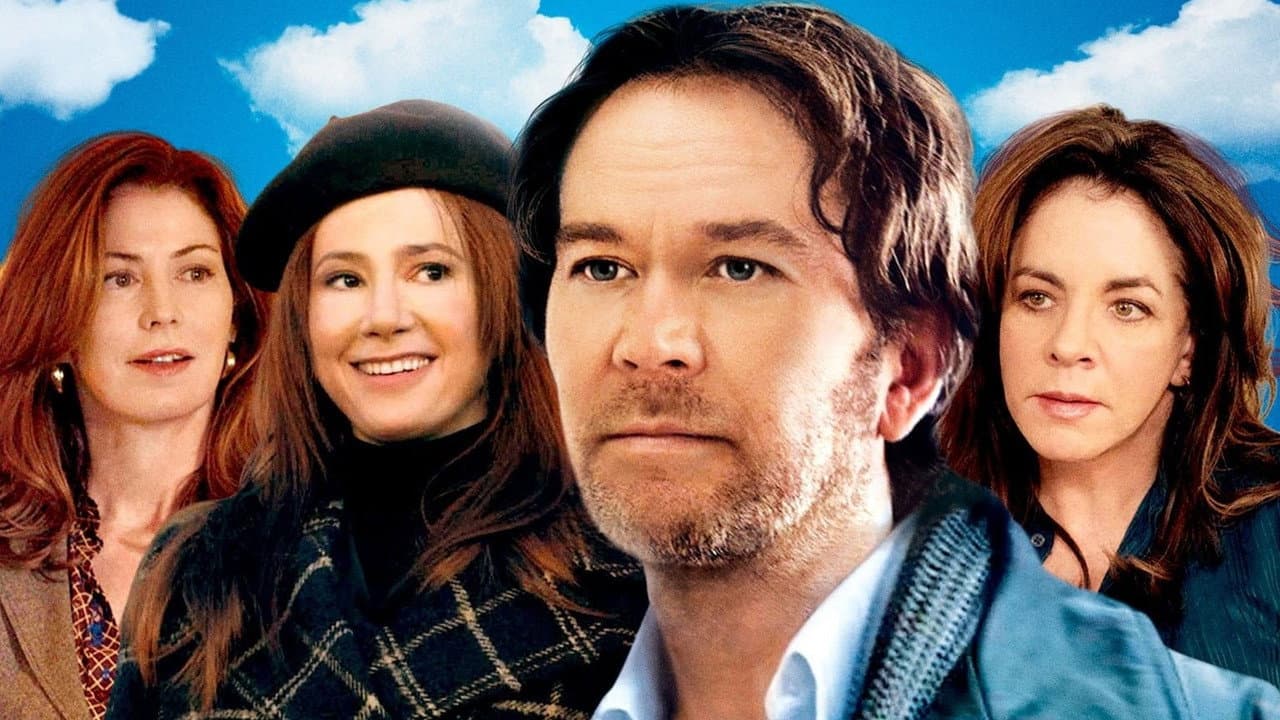
Multiple Sarcasms premiered at the European Film Market in February 2009 and arrived in U.S. theaters on May 7, 2010, from Multiple Avenue Releasing. The film assembled an ensemble of respected character actors: Timothy Hutton carries the emotional weight as Gabriel, while Mira Sorvino plays Annie with a complexity that refuses to make her simply "the unsupportive wife." Stockard Channing, Dana Delany, and Mario Van Peebles round out a cast that brings genuine gravitas to what could have been a forgettable indie drama.
The production didn't become a box-office juggernaut or rack up major awards season nominations — it arrived quietly and has remained something of a sleeper discovery for viewers browsing streaming catalogs. With a runtime of 97 minutes, it's economical in a way that feels intentional rather than rushed. The film carries a 5.9 rating on IMDb, which honestly feels about right for a movie that's sincere without being showy, thoughtful without being pretentious. It's the kind of film that doesn't announce itself loudly but rewards patient attention.
What makes Multiple Sarcasms stand out
What's striking about Multiple Sarcasms is how it refuses easy answers. Gabriel isn't a tortured genius waiting to be discovered. He's a guy who writes a play that actually works — the play is a success — but that success doesn't magically heal anything or provide some neat redemptive arc. His marriage still ends. His relationship with his daughter shifts in ways that aren't entirely resolved. The happiness he finds is real but it's also different, smaller maybe, less Instagram-friendly than the life he left behind.
Tutton's performance is the anchor here. He plays Gabriel as someone caught between genuine self-awareness and the inability to actually change his circumstances until he's forced to. There's a scene early on where he's sitting in his architect's office, and you can see him calculating whether this discomfort is temporary or permanent — and that moment, that hesitation, is the whole film in miniature. Sorvino brings unexpected depth to Annie; she's not written as a villain or even as unsupportive in the way these stories often frame spouses. She's just someone who signed up for one life and suddenly her husband wants something completely different.
The real power of the film is that it takes seriously the idea that sometimes you have to blow up your own life to find out who you actually are — but that blowing things up has real costs, and nobody gets to skip those costs by being talented or sincere or right about their own unhappiness. That's not a message that fits neatly on a poster, which maybe explains why Multiple Sarcasms never became a cultural touchstone. But it's honest in a way that matters.
Where to stream Multiple Sarcasms online
Multiple Sarcasms is available on major OTT streaming services, and you can check the "Where to Watch" widget at the top of this page to see exactly which platforms currently have it in your region — availability changes regularly depending on licensing agreements. Movie OTT aggregates streaming availability across services, so you won't waste time searching multiple apps trying to figure out where to actually watch this film. It's the kind of indie drama that benefits from being discovered on a lazy Sunday afternoon, so if you've got a subscription to any of the major platforms, there's a solid chance it's already waiting for you.
Frequently asked questions
Q: Who directed Multiple Sarcasms?
The film was directed by Brooks Branch. While Branch hasn't become a household name, Multiple Sarcasms shows a director comfortable with quiet, character-driven storytelling and willing to let scenes breathe rather than rush toward plot points.
Q: Is Multiple Sarcasms based on a true story?
No, it's an original screenplay. That said, the specificity of Gabriel's crisis — the gap between professional success and personal fulfillment — draws from experiences that feel deeply real even if the character himself is fictional.
Q: What's the runtime of Multiple Sarcasms?
The film runs 97 minutes, which is short enough to feel focused but long enough to actually explore the emotional stakes of Gabriel's decision and its aftermath.
Q: Does Gabriel's play actually get performed in the film?
The play's success is central to the story, but the film is more interested in what that success means — and doesn't mean — for Gabriel's life than in showing us the theatrical performance itself. It's a smart choice that keeps the focus on character rather than spectacle.
Q: Where can I watch Multiple Sarcasms?
Check the streaming availability widget at the top of this page. Movie OTT tracks current streaming availability across Netflix, Prime Video, and other major platforms, so you'll know exactly where to find it before you start searching.
Final thoughts on Multiple Sarcasms
Multiple Sarcasms won't change your life. It's not trying to. What it does is offer a genuinely thoughtful portrait of a man who decides that authenticity matters more than comfort, and then has to live with that choice — which turns out to be harder and more interesting than simply making the decision. If you're looking for a drama that trusts its audience to sit with ambiguity and real consequences, this one's worth your time. It's the kind of film that sticks with you longer than you'd expect.