






The Story of Multiplicity
Multiplicity follows Doug Kinney, a perpetually exhausted construction worker juggling impossible demands: a job that never stops, a wife who's losing patience, and a daughter who barely sees him. The setup is relatable—too relatable. Most of us have felt that squeeze, that sensation of being pulled in five directions at once. Then one day, a geneticist named Dr. Owen Leeds appears with an outlandish proposition: what if Doug could duplicate himself? Not metaphorically. Actually. The premise sounds absurd on paper, and that's exactly the point. What starts as a solution to time management becomes a spiraling exploration of identity, ambition, and the cost of trying to be everything to everyone.
Behind the Making of Multiplicity
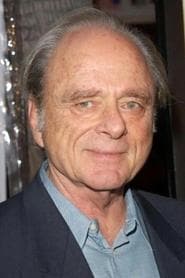
Multiplicity arrived in 1996 from Columbia Pictures under the direction of Harold Ramis, the comedy legend behind Groundhog Day and Caddyshack. The film was adapted from a Chris Miller short story that originally appeared in National Lampoon magazine—a pedigree that hints at the smart, satirical DNA running through the script. George Fenton composed the original score, lending the film a surprisingly warm, human touch that grounds what could've been pure slapstick. Michael Keaton carries the weight here, and he's genuinely on top form—this was the period when he was proving himself a comedic actor after the success of Batman Returns. Andie MacDowell plays Laura, Doug's increasingly frustrated wife, bringing real emotional stakes to what could've been a thankless role. The film didn't become a massive box office juggernaut (it grossed around $41 million domestically against a $60 million budget), and it's never won major awards, but it's the kind of movie that's aged better than its initial reception suggested.
What Makes Multiplicity Stand Out
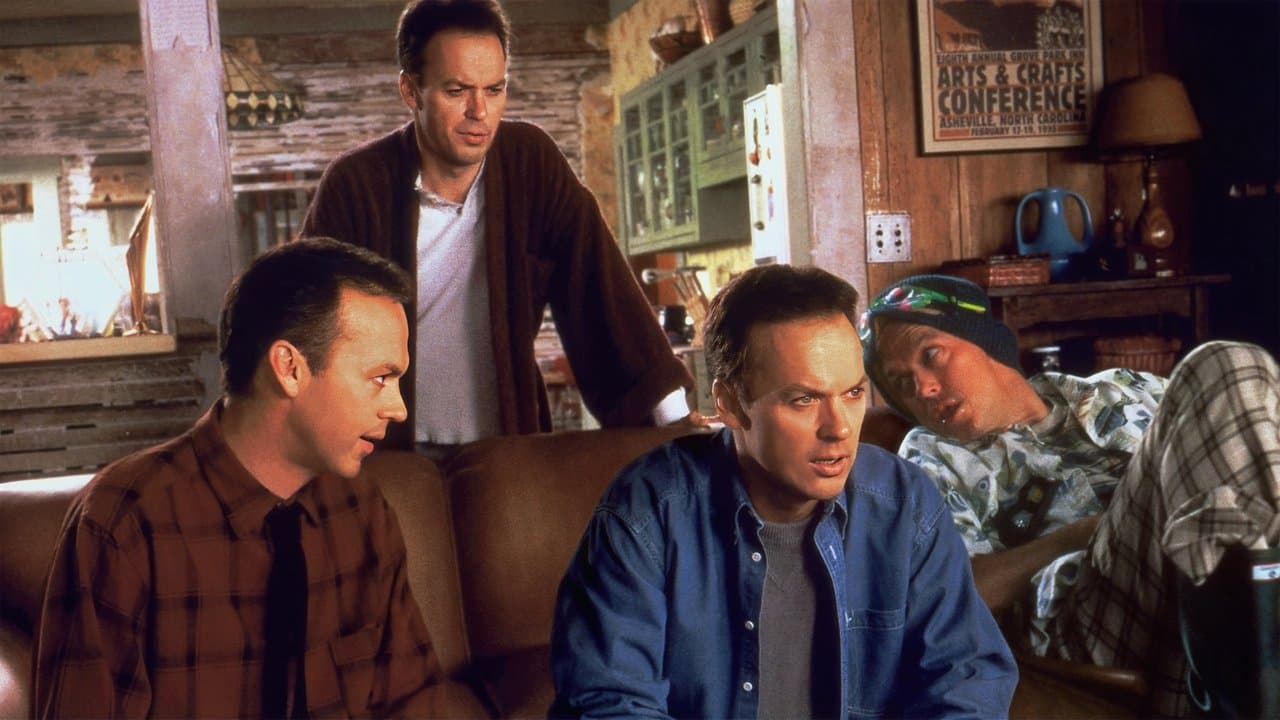
Here's the thing that critics often miss about this film: it's not actually wasting its premise. What's striking is how genuinely the movie engages with the philosophical problem at its center. Each clone develops a distinct personality—Doug Prime is the original workaholic; Doug Two becomes a carefree slacker; Doug Three is a sensitive, New Age type; Doug Four is... well, let's just say he's a copy of a copy of a copy, and degradation has set in. The comedy comes not from a single gimmick but from watching these four versions of the same man collide, undermine each other, and slowly reveal what Doug actually wanted all along. Keaton's performance across these variations is genuinely deceptive—he's not just doing broad character work, he's exploring different facets of a single person's fractured psyche. The romantic subplot doesn't feel tacked on; it's integral to the film's real question: can you have it all, or is the pursuit of having it all what destroys you? I keep coming back to that final act, where the clones are literally falling apart, and Doug realizes that his problem was never time—it was himself.
Reviewers at the time complained that the film couldn't sustain its high-concept premise for two hours, but that's a misreading of what Ramis was actually doing. He wasn't trying to mine the same joke repeatedly; he was building toward an emotional reckoning. Keaton's ability to play vulnerability alongside comedy—that moment where Doug confronts what he's become—is what anchors the whole thing and keeps it from devolving into mere spectacle.
Where to Stream Multiplicity Online
Multiplicity is currently available on major OTT services, and you can check the Where to Watch widget at the top of this page to see exactly which platforms are carrying it right now. Movie OTT tracks streaming availability across services in real time, so you'll always know where to find it without hunting through five different apps. Availability shifts seasonally and by region, so it's worth checking before you settle in—but it's the kind of film that's worth a quick search. The 117-minute runtime makes it a perfect evening watch, especially if you're in the mood for something that's funny without being dumb.
Frequently asked questions
Q: Is Multiplicity based on a true story?
No, it's based on a short story by Chris Miller published in National Lampoon magazine. The cloning premise is entirely fictional, though the emotional core—feeling stretched too thin—is something most people relate to.
Q: Who directed Multiplicity?
Harold Ramis, the legendary comedy director behind Groundhog Day and Caddyshack, directed and co-produced the film. His touch is evident in the balance between absurdist humor and genuine heart.
Q: What's the IMDb rating for Multiplicity?
The film holds a 5.8/10 rating on IMDb, which honestly feels low given its rewatchability and thematic depth. It's one of those movies that critics underrated on release but audiences have grown fonder of over time.
Q: How long is Multiplicity?
The film runs 117 minutes, giving Ramis enough breathing room to develop each clone's personality and let the emotional stakes build gradually rather than rushing through the concept.
Q: Does Multiplicity have a happy ending?
Without spoiling it, the film does resolve—but not in the way you'd expect from a simple comedy. There's genuine wisdom in how it wraps up, which is part of why it's held up better than similar high-concept comedies from the '90s.
Final Thoughts on Multiplicity
Multiplicity doesn't get nearly enough credit as a smart, funny, surprisingly touching exploration of ambition and identity. It's not a perfect film—the third act does get a bit mechanical—but it's a genuinely good one, and Michael Keaton's performance deserves to be mentioned alongside his best work. If you're looking for a '90s comedy that's more than just a string of gags, or if you've felt that particular kind of exhaustion Doug Kinney carries, this one's worth your time. It's available now on major streaming services, and it's the kind of film that rewards a second viewing once you know where it's headed.