



The story of Nail Polish: A courtroom where nothing is certain
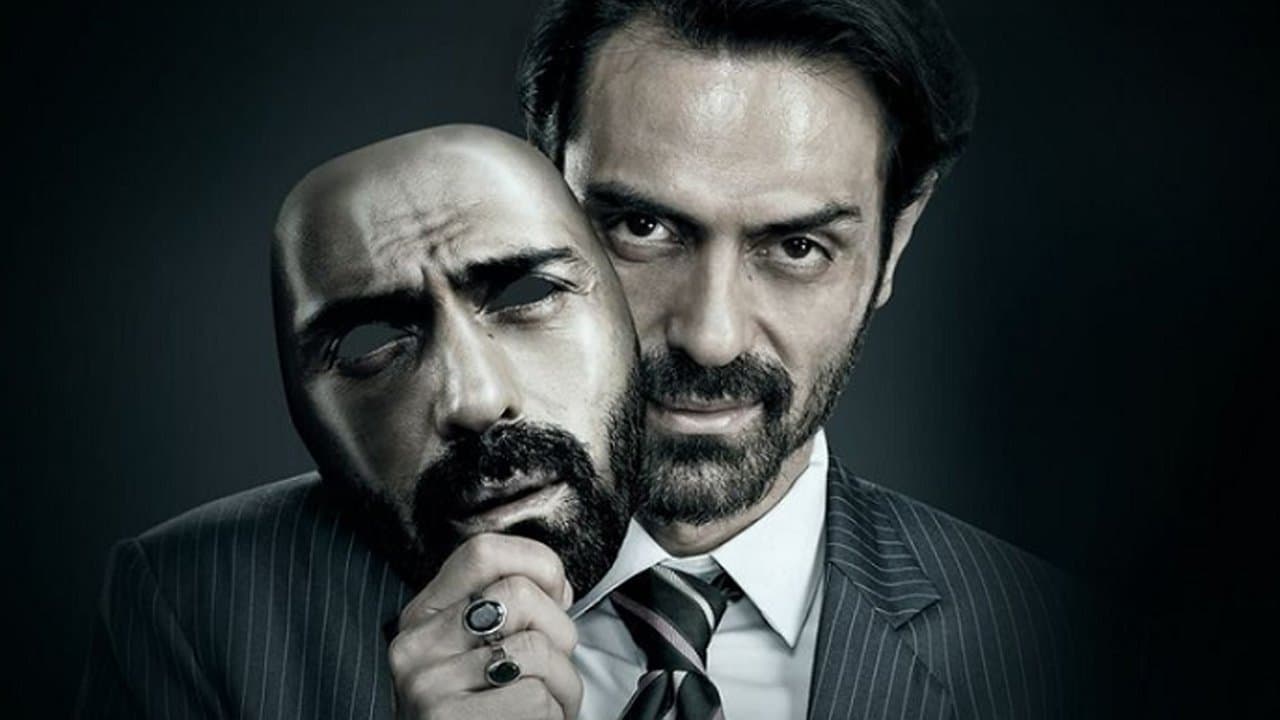
Nail Polish is a 2021 Hindi-language legal thriller that asks a deceptively simple question: how well do we actually know anyone? The film centers on a high-profile defence lawyer who's dangled a Rajya Sabha seat—a seat of real political power—if he can secure an acquittal for a man accused of killing two migrant children. Sounds like a standard courtroom drama setup, right? Except the accused isn't some hapless scapegoat. He's a famous social activist, and the evidence against him is... complicated. As the trial unfolds, the film peels back layers of motive, psychology, and hidden agendas that suggest the real crime might be far messier than anyone in the courtroom initially believed.
Behind the making of Nail Polish: Cast, production, and critical standing
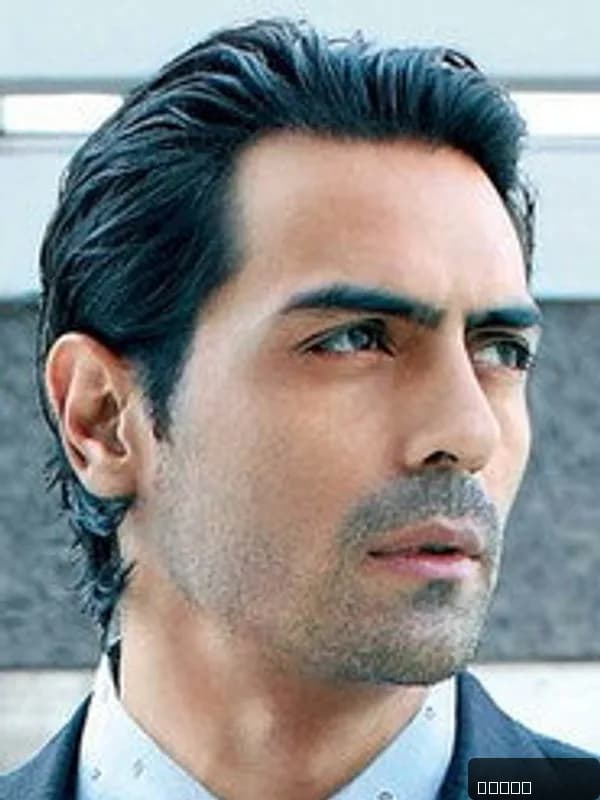
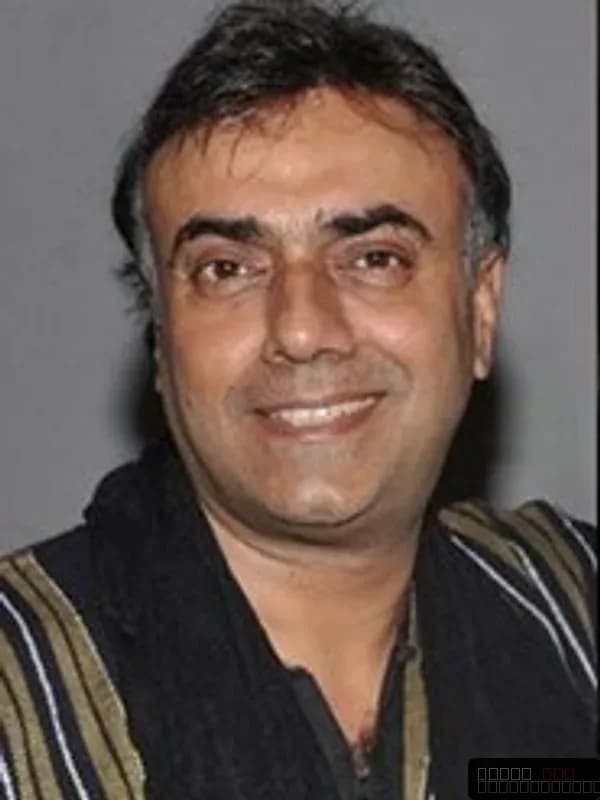
Nail Polish was written and directed by Bugs Bhargava Krishna and produced by Ten Years Younger Productions, arriving on ZEE5 on New Year's Day 2021. The ensemble cast reads like a who's who of Indian cinema: Arjun Rampal carries the weight as the defence lawyer, while Manav Kaul brings unsettling complexity to the accused activist. Supporting players including Madhoo, Rajit Kapur, Anand Tiwari, and Samreen Kaur round out a cast clearly chosen for their ability to convey moral ambiguity rather than heroic clarity.
The film earned an IMDb rating of 7.2 out of 10 from over 5,700 votes—a respectable score that reflects its appeal to viewers who appreciate intelligent crime drama over formulaic thrills. It received one award nomination, though it didn't become a massive box-office sensation in the traditional sense. What matters more is that it found its audience through streaming, reaching millions who might never have caught it in a cinema. Movie OTT tracks these kinds of platform-exclusive releases, which have become the primary way Indian audiences discover serious dramatic cinema these days.
What makes Nail Polish stand out: The performances and the moral fog
What's striking about Nail Polish is that it doesn't offer you the comfort of a hero. The defence lawyer isn't fighting for justice—he's fighting for a seat in parliament. The accused activist claims innocence, yet his past suggests he's capable of unspeakable things. The victim's families want closure, but closure might mean convicting an innocent man. It's this refusal to let anyone off the moral hook that keeps you watching.
Arjun Rampal's performance here is particularly interesting because he doesn't play the character as someone wrestling with his conscience—not exactly. Instead, he portrays a man who's made peace with his own corruption, who's rationalized that winning the case is what matters, consequences be damned. There's a scene where his lawyer character realizes something crucial about the case, and instead of shock, there's just a flicker of calculation. That's the kind of acting choice that doesn't announce itself but lingers.
Manav Kaul's work as the accused is equally unsettling. He's neither sympathetic nor monstrous; he's just... there, present, watching everyone try to figure him out. The film understands that in real criminal trials, the accused often becomes a mirror onto which everyone projects their own fears and biases. The courtroom drama genre usually resolves this by revealing "the truth." Nail Polish isn't interested in that kind of certainty. It's interested in how we construct narratives to feel safe—and how those narratives can destroy lives. I keep coming back to that ambiguity as the film's real achievement, because it's so much harder to sustain than a tidy plot twist.
How to stream Nail Polish online
Nail Polish is available on major OTT services across India and select international markets. Since streaming rights shift regularly, the best way to confirm current availability is to check the "Where to Watch" widget at the top of this page, which updates in real time across all platforms. When the film first premiered on ZEE5, it reached a massive audience instantly—the streaming model meant no theatrical window, no geographic limitations, just immediate global access. If you're hunting for where it's currently streaming, Movie OTT's aggregation tools will save you the frustration of hunting across five different apps.
Frequently asked questions
Q: Is Nail Polish based on a true story?
Yes, the film draws inspiration from real criminal cases, though it's not a direct adaptation of a single incident. The film uses these true-crime elements as a foundation to explore broader themes about the judicial system, media influence, and how we construct guilt or innocence.
Q: Who directed Nail Polish?
Bugs Bhargava Krishna wrote and directed the film. It was produced by Ten Years Younger Productions, with Pradeep Uppoor, Seema Mohaptra, Jahanara Bhagava, and Dhirajj Vinodd Kapoor serving as producers.
Q: What's the runtime of Nail Polish?
The film runs 128 minutes, which gives it enough breathing room to develop its courtroom arguments and character psychology without feeling rushed.
Q: Why is it called Nail Polish?
The title carries symbolic weight—nail polish is something superficial, something applied to hide or beautify what's underneath. In the context of the film's exploration of truth and deception, it's a clever metaphor for how easily the surface can mislead us.
Q: How does Nail Polish compare to other Indian legal thrillers?
Unlike many Bollywood courtroom dramas that resolve neatly with a guilty verdict and moral clarity, Nail Polish trades certainty for ambiguity. It's more interested in the psychology of its characters than in legal procedure, which makes it feel fresher and more unsettling than genre conventions would suggest.
Final thoughts on Nail Polish
Nail Polish isn't a feel-good film, and it doesn't pretend to be. It's a 128-minute interrogation of how power, ambition, and the human need for narrative certainty can corrupt even the pursuit of justice. If you're drawn to crime stories that refuse easy answers—that trust you to sit with moral discomfort—this is worth your time. The performances are sharp, the writing is clever, and the ending doesn't insult your intelligence. That's rare enough to deserve your attention.