Actor
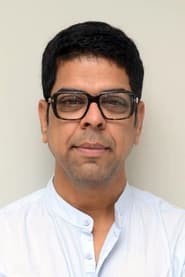
Manav Kaul
18 films on Movie OTT · Active 2003–2024
Manav Kaul isn't easy to categorize — and that's probably the point. Born on December 19, 1976, in Baramulla, India (TMDB), he's spent the better part of two decades refusing to stay in one lane, working simultaneously as a theatre director, playwright, author, actor, and filmmaker. What's striking is how rarely any single one of those roles overshadows the others; he seems genuinely invested in all of them, which you don't see often in the Hindi film industry.
About Manav Kaul
Manav Kaul isn't easy to categorize — and that's probably the point. Born on December 19, 1976, in Baramulla, India (TMDB), he's spent the better part of two decades refusing to stay in one lane, working simultaneously as a theatre director, playwright, author, actor, and filmmaker. What's striking is how rarely any single one of those roles overshadows the others; he seems genuinely invested in all of them, which you don't see often in the Hindi film industry.
On screen, he's the kind of actor who tends to make you forget you're watching a performance. His supporting turn in Tumhari Sulu (2017) earned him a Filmfare Award nomination for Best Supporting Actor (TMDB), and it's not hard to see why — he brought a quiet, lived-in quality to the role that anchored scenes without demanding attention. He's appeared across a wide range of projects, from the Vishal Bhardwaj-directed Haider (2014) to the Amitabh Bachchan thriller Wazir (2016) to Anubhav Sinha's Thappad (2020), which tells you something about the range of filmmakers who want him in their corner (Wikipedia).
Off screen, his literary output is just as serious. Four published books between 2016 and 2023 — including Prem Kabootar and Rooh — plus 13 written and directed plays through his theatre group Aranya. In 2023, he picked up both the Filmfare OTT Award and Filmfare Short Film Award for Best Actor Male for the short film Phir Kabhi. A career that doesn't fit neatly into a box. Honestly, that's what makes it worth following.
Early life & background
Manav Kaul was born on December 19, 1976, in Baramulla, India (TMDB). Baramulla is a town in Jammu & Kashmir, and while Kaul hasn't spoken extensively in public record about his upbringing there, the place itself — culturally and geographically distinct from Mumbai's film industry — feels relevant to understanding an artist who's always operated somewhat outside the mainstream. Details about his family background, parents, and formal education aren't well-documented in available sources, though his work across theatre, literature, and film suggests a broad humanistic training rather than a single conservatory track. He founded the theatre group Aranya at some point in his career, which implies deep roots in the performing arts well before his screen debut.
Career
Cite this page
For Wikipedia, journalism, or academic references — copy the citation below:
Movie OTT. "Manav Kaul." Accessed Oct 3, 2026. https://movieott.com/talent/manav-kaul-2Cross-references: Wikipedia
Last updated July 4, 2026 · Sources: tmdb+wikipedia+perplexity+tmdb-credits+ai-claude
Filmography
Chaar Phool Hain Aur Duniya Hai
2024 · Cast

Trial Period
2023 · Prajapati Dwivedi (PD)

Jalsa
2022 · Anand

Dybbuk
2021 · Cast
Ajeeb Daastaans
2021 · Kabir (segment 'Ankahi')
Nail Polish
2021 · Veer Singh 'Ranjit'
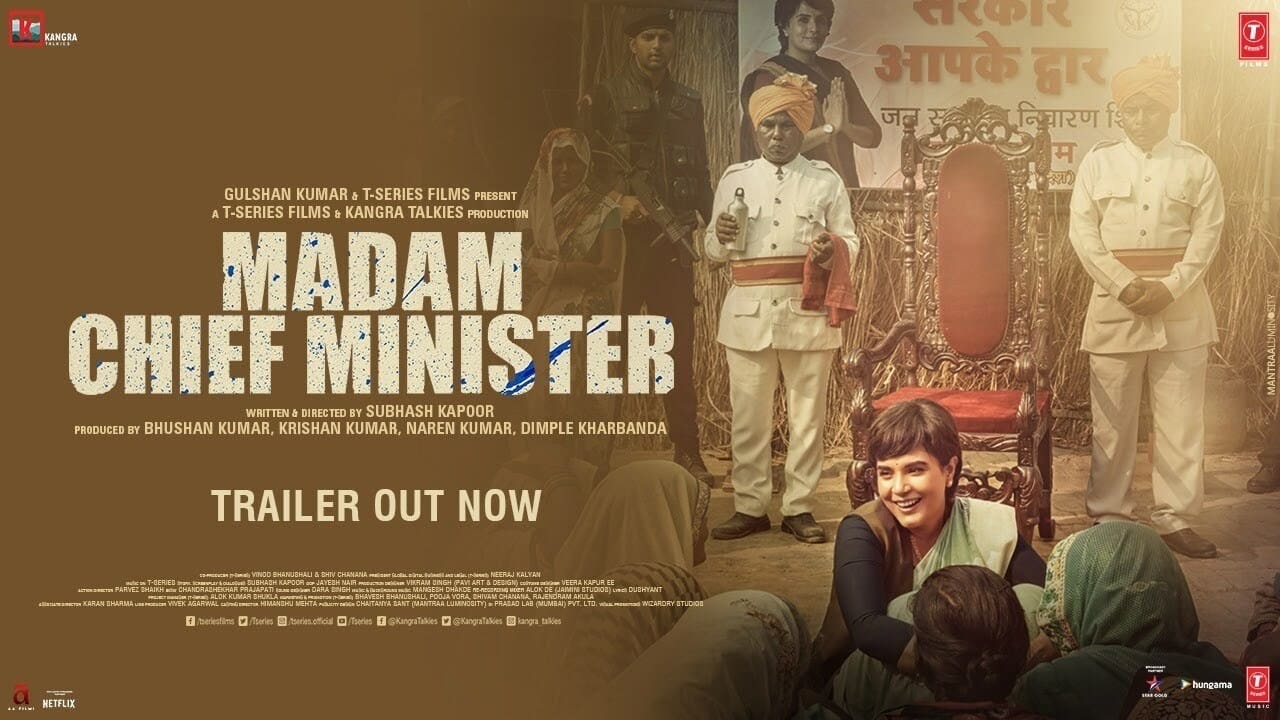
Madam Chief Minister
2021 · Cast

Badla
2019 · Jimmy Panjabi
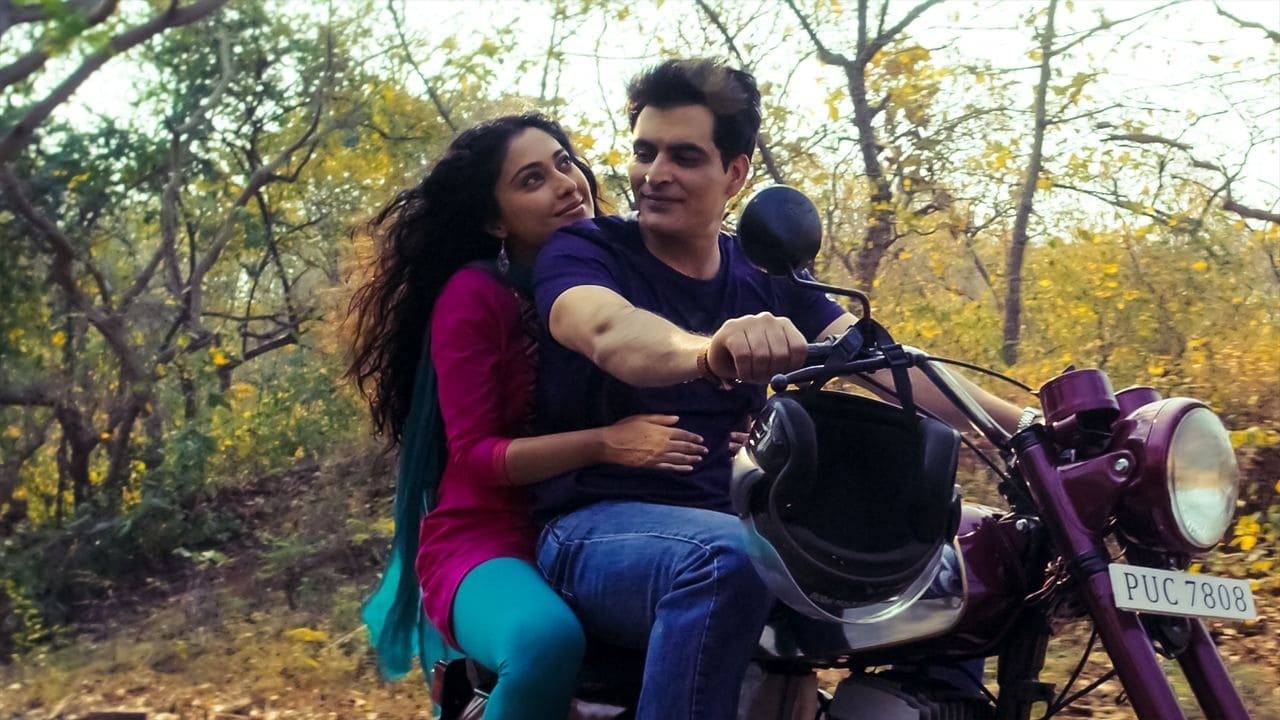
Music Teacher
2018 · Cast

Tumhari Sulu
2017 · Ashok Dubey
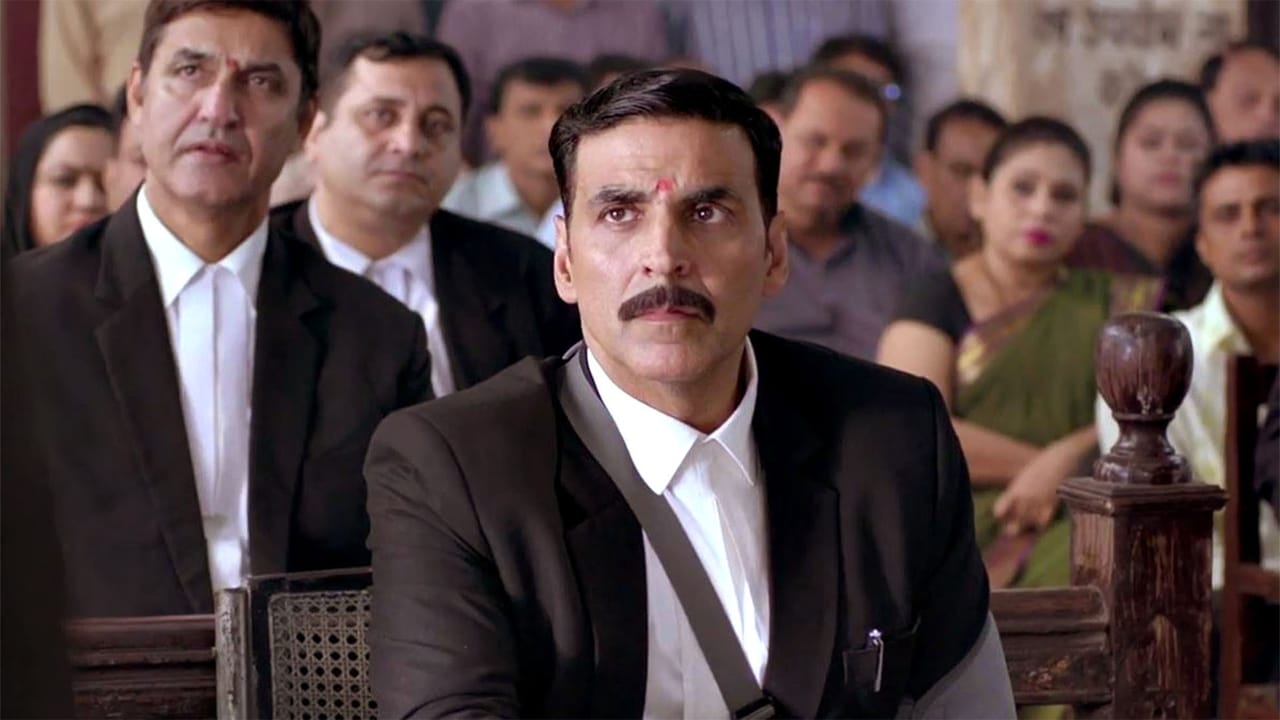
Jolly LLB 2
2017 · Iqbal Qasim

Wazir
2016 · Yazaad Qureshi
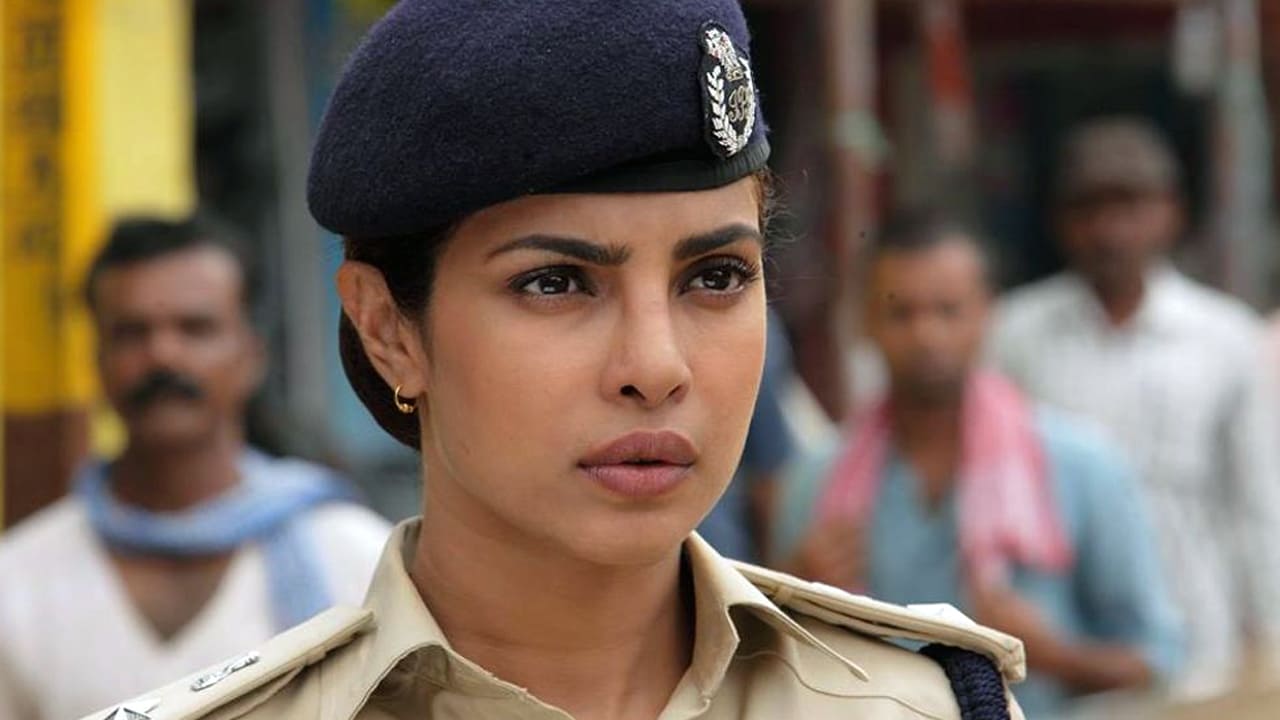
Jai Gangaajal
2016 · Cast
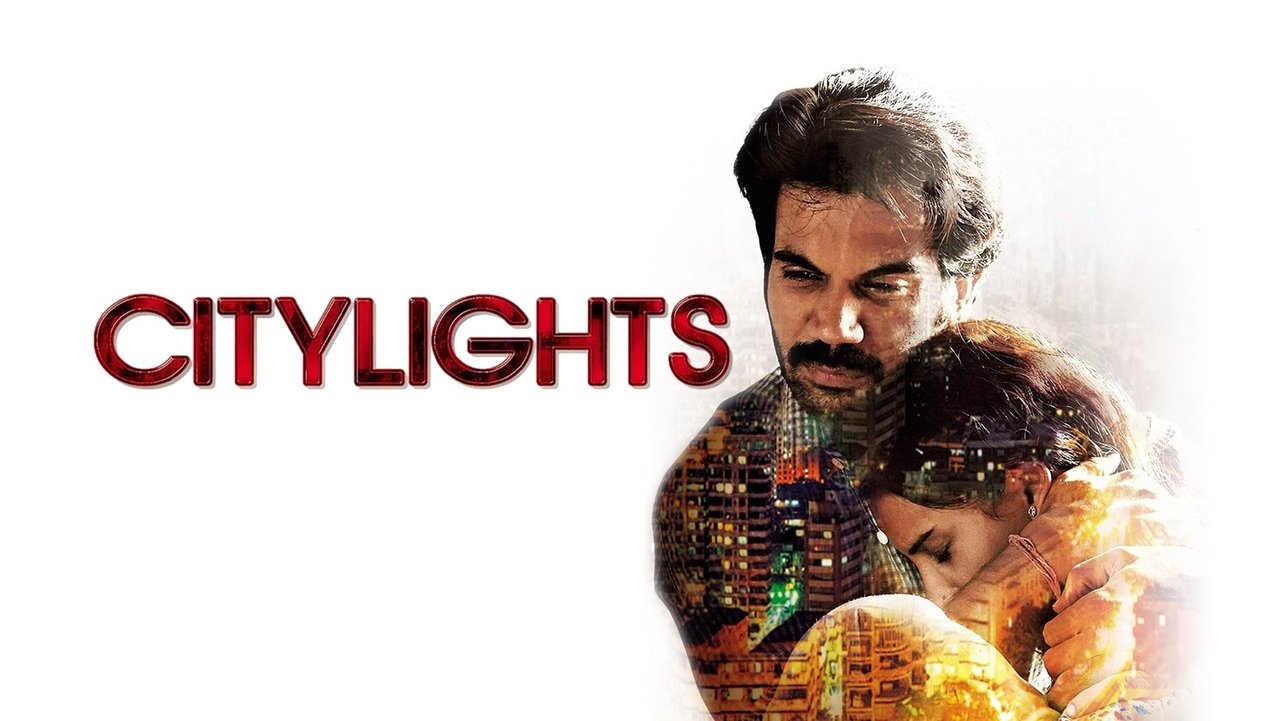
City Lights
2014 · Cast
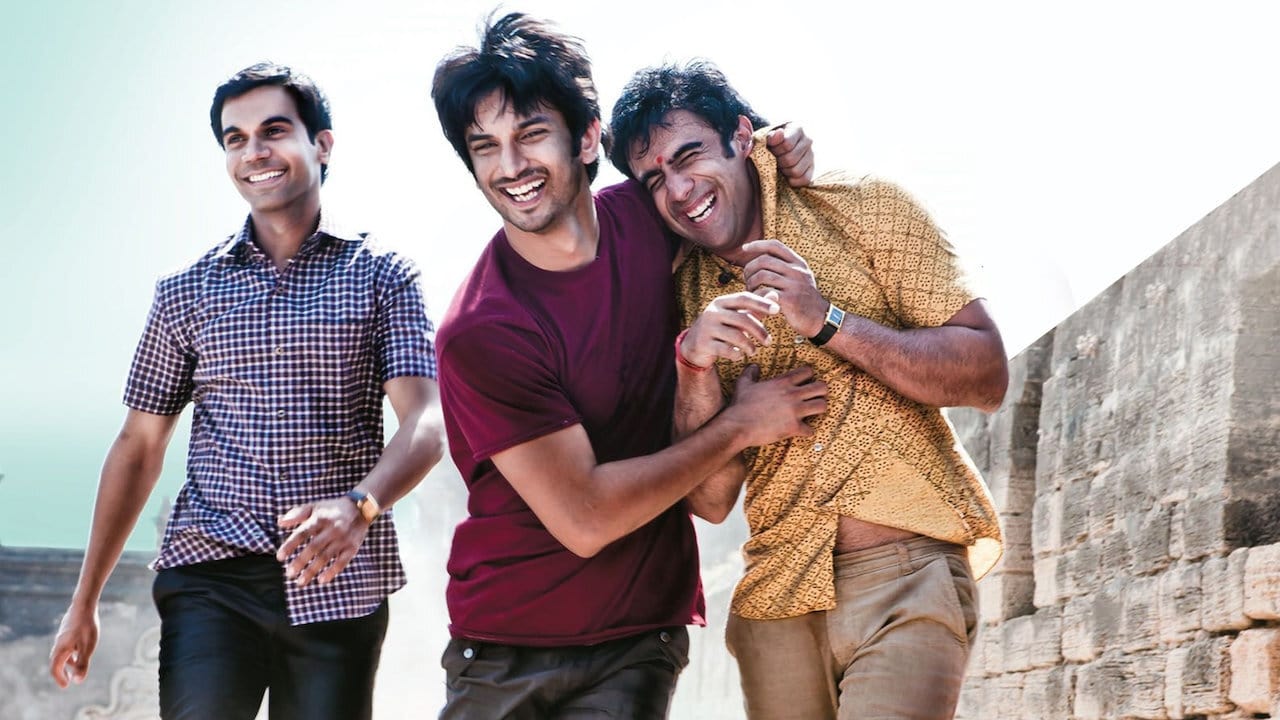
Kai Po Che!
2013 · Bishakh "Bittu" Joshi
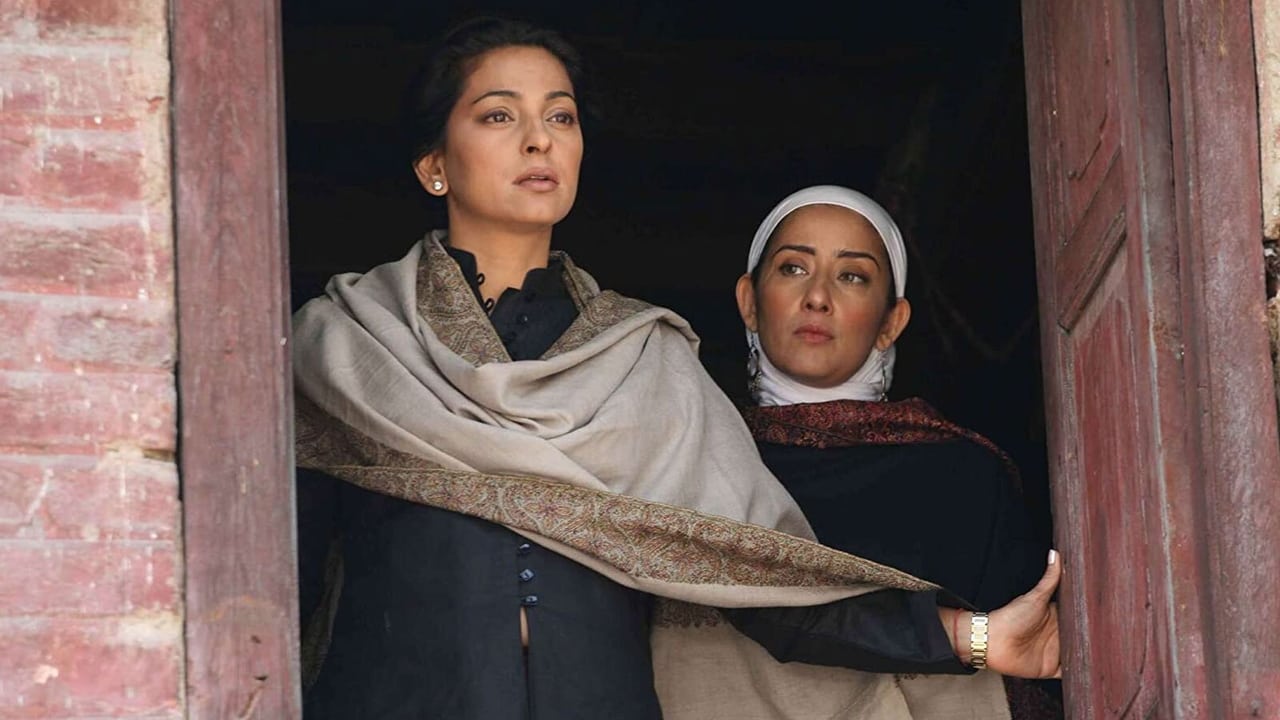
I Am
2011 · Cast
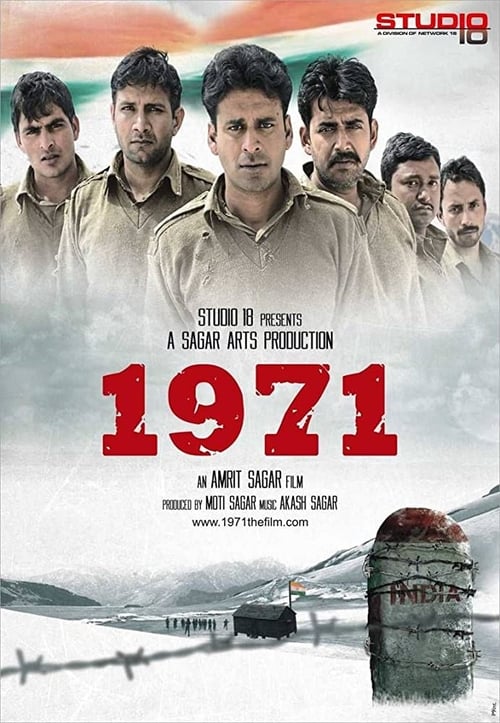
1971
2007 · Flight Lt. Ram

Jajantaram Mamantaram
2003 · Jeran
Frequently asked questions
What films is Manav Kaul known for?
Manav Kaul has 18 titles indexed on Movie OTT, including Chaar Phool Hain Aur Duniya Hai, Trial Period, Jalsa.
How long has Manav Kaul been active?
Manav Kaul's film career on Movie OTT spans from 2003 to 2024 — 21 years of work.