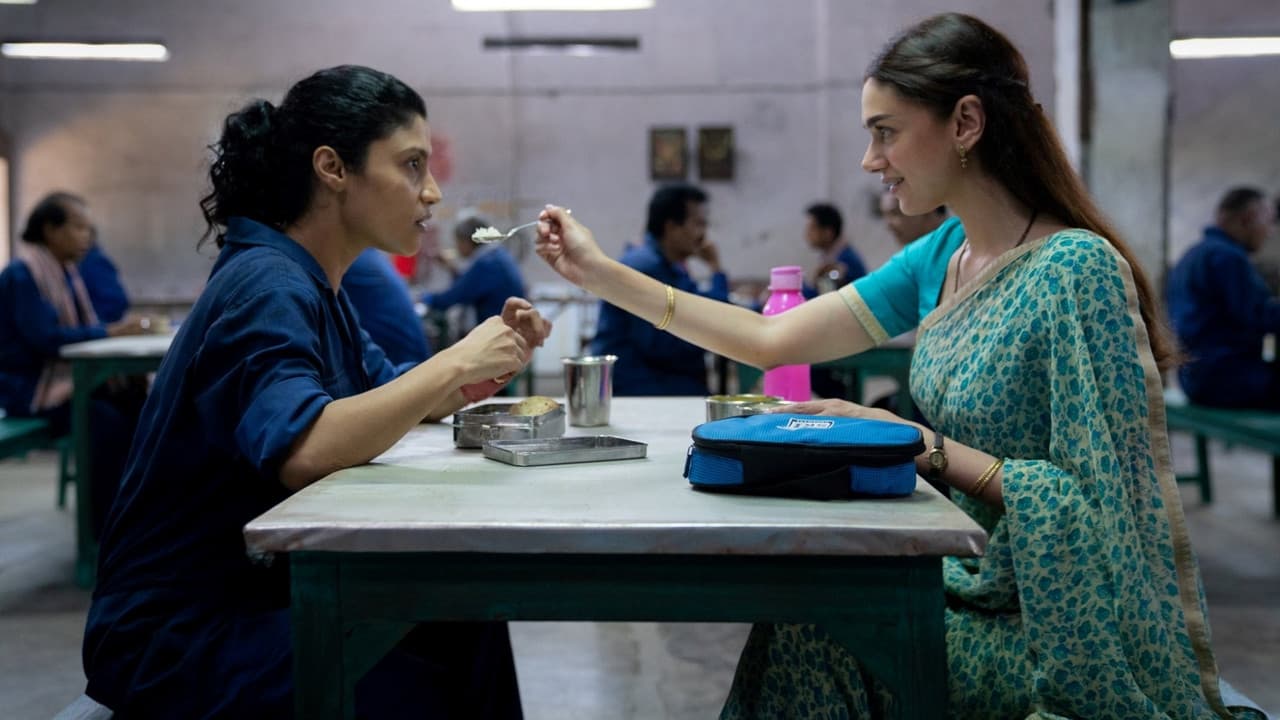









What Ajeeb Daastaans reveals about the people we live with
Ajeeb Daastaans—which translates to "Strange Tales"—is a 2021 anthology film that does something most ensemble narratives won't: it refuses to resolve anything neatly. The film consists of four distinct short stories, each directed by a different filmmaker, each peeling back the skin of a relationship to expose what's rotting underneath. The premise is deceptively simple: unexpected moments, small catalysts, sudden revelations that crack open the comfortable facades we build with our partners, our families, our closest confidants. What emerges isn't catharsis. It's something far more unsettling—the recognition that sometimes the people sleeping next to us are strangers.
There's no grand narrative arc binding these four segments together, and that's precisely the point. You're not watching a film that wants to teach you a lesson. You're watching one that wants to make you sit with the kind of discomfort that lingers after the credits roll—the kind that makes you text someone you've been meaning to call.
Behind the making of Ajeeb Daastaans
Ajeeb Daastaans came together under the Dharmatic Entertainment banner with Karan Johar as producer and Netflix as the distribution partner, a collaboration that brought significant resources and creative freedom to what could have been a safer, more conventional project. The film's most distinctive feature is its directorial lineup: Shashank Khaitan, Raj Mehta, Neeraj Ghaywan, and Kayoze Irani each brought their own sensibility to a segment, which meant no two stories felt like they came from the same filmmaking DNA. This wasn't a vanity project masquerading as an anthology—it was a genuine attempt to see how different voices could explore the same emotional territory.
The runtime of 142 minutes might sound lean for four complete narratives, but the tightness works in the film's favor. Each story gets just enough space to breathe without overstaying its welcome. The film earned an 11 wins and 11 nominations across various award circuits, a recognition that came despite—or perhaps because of—its refusal to be immediately likable. The TV-MA rating signals that this isn't content designed for passive consumption. These are stories that contain language, situations, and emotional violence that demand your attention. According to Movie OTT, which tracks streaming availability across platforms, Ajeeb Daastaans has maintained a strong presence on major OTT services since its release.
Why Ajeeb Daastaans unsettles more than it comforts
What strikes you watching Ajeeb Daastaans—and I mean this in the best way—is how little the film cares about your comfort. The performances across all four segments are calibrated to feel lived-in rather than performed, which is a harder trick than it sounds. The Rotten Tomatoes score of 100% (Fresh) suggests critics recognized something beyond mere technical competence; they saw filmmakers willing to sit in the gray spaces where most cinema fears to tread. The IMDb rating of 6.7/10 from over 6,500 votes tells a different story—audiences were more divided, which makes sense. Not everyone wants their relationship anxieties validated by four separate stories told by four separate directors.
What's striking is how the film doesn't position any of its characters as villains. That's the real trick. In each segment, there's someone who's hurt someone else, but the film never lets you settle into the comfortable role of judge. By the time you're three stories in, you're questioning your own certainties about fidelity, honesty, desire, and what we owe the people we claim to love. The craft on display—cinematography that feels intimate without being intrusive, editing that knows when to cut and when to linger—serves the emotional core rather than calling attention to itself. This is filmmaking in service of story, which sounds obvious until you realize how rare it actually is.
I keep coming back to the second segment, directed by Raj Mehta, which takes what could've been a conventional betrayal narrative and twists it into something that makes you question your own assumptions about gender and desire. That's the kind of storytelling that sticks with you, not because it's flashy, but because it's honest.
Where to stream Ajeeb Daastaans online
Ajeeb Daastaans is available on major OTT services—you'll find the complete, up-to-date list of platforms in the "Where to Watch" widget at the top of this page. Since the film arrived on Netflix as part of the Dharmatic Entertainment deal, it's maintained steady availability across streaming platforms. Movie OTT keeps track of which services are currently carrying the film, so you don't have to hunt across five different apps wondering if it's still there. The advantage of an anthology format is that you can watch it across multiple sittings if you need to—though honestly, once you start, you'll probably want to finish it in one sitting just to see how each story lands.
Frequently asked questions
Q: Who directed Ajeeb Daastaans?
The film features four different directors—Shashank Khaitan, Raj Mehta, Neeraj Ghaywan, and Kayoze Irani—each helming one segment of the anthology. This multi-director approach gives each story its own distinct visual and narrative voice.
Q: Is Ajeeb Daastaans based on true stories?
No, these are original fictional narratives created specifically for the anthology. That said, the emotional truths they explore—infidelity, resentment, desire, betrayal—will likely feel uncomfortably familiar to many viewers.
Q: How long is Ajeeb Daastaans?
The film runs 142 minutes total, with each of the four segments ranging in length. It's compact enough to watch in one sitting but substantial enough that you'll feel like you've experienced something.
Q: What's the IMDb rating for Ajeeb Daastaans?
The film holds a 6.7/10 rating on IMDb based on over 6,500 votes, while it maintains a perfect 100% on Rotten Tomatoes, indicating a critical consensus that critics valued it more than general audiences.
Q: Is Ajeeb Daastaans appropriate for all ages?
No—the film carries a TV-MA rating due to adult themes, language, and situations. It's designed for mature audiences who can engage with its unflinching exploration of relationship dynamics.
Final thoughts on Ajeeb Daastaans
Ajeeb Daastaans isn't the kind of film you'll recommend to everyone. But if you're someone who's ever wondered what your partner thinks about when they're not looking at you, or what you'd actually do if faced with certain impossible choices, this is essential viewing. It's the kind of anthology that justifies the format—not because the stories are all equally strong (though they're remarkably consistent), but because seeing four different takes on the same emotional terrain makes you think differently about your own life. Watch it when you're ready to be unsettled.