

The story of Night Falls on Manhattan
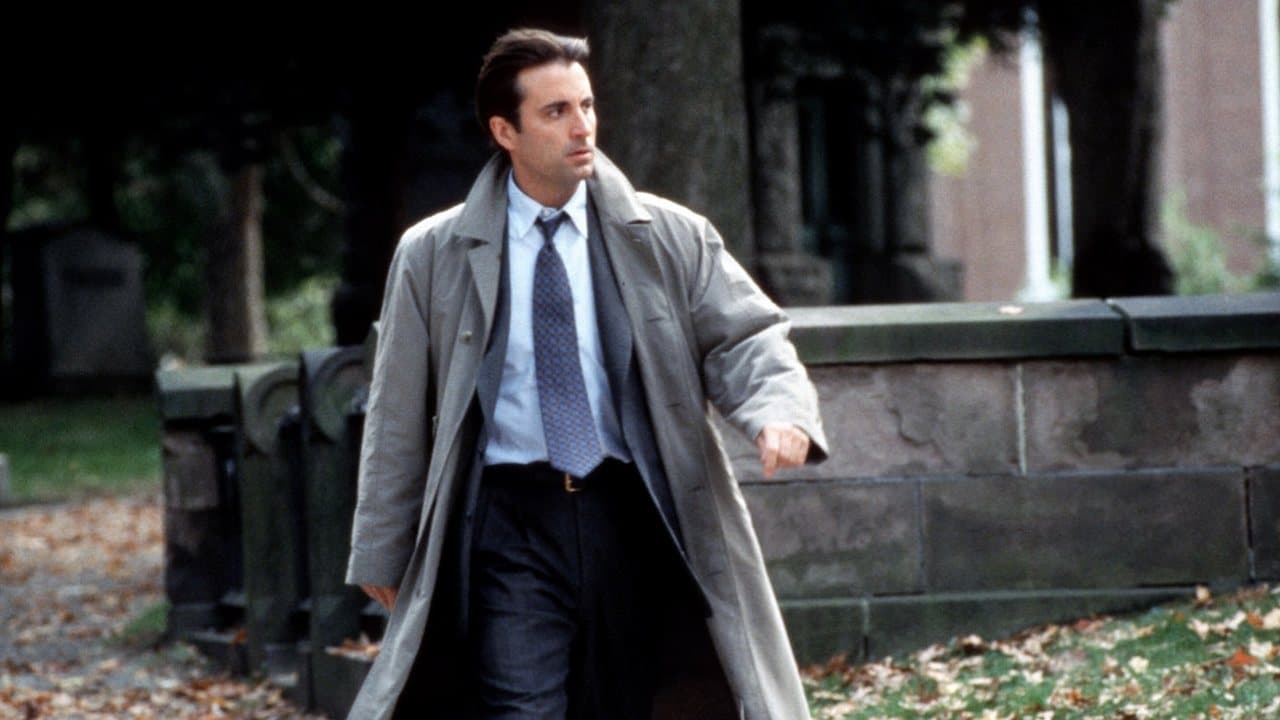
When a drug dealer kills three police officers and then vanishes in a stolen patrol car, the newly elected District Attorney Sean Casey—played by Andy García—sees an opportunity to make his mark. Fresh from the ranks of the NYPD himself, Casey is hungry to stamp out the rot he knows exists within the department. But as his investigation deepens, the case spirals into something far more personal and far more dangerous. The officers involved in the shooting aren't heroes. They're dirty. And one of them is his father. What starts as a crusade for justice becomes a family tragedy, a moral minefield where every right move feels wrong.
The film's central tension—captured perfectly in its tagline, "In a city of nine million people is there room for one honest man?"—isn't really about solving a crime. It's about whether Casey can survive the truth he's uncovered without losing everything that matters to him. Written and directed by Sidney Lumet, the film trades the procedural certainty of most crime thrillers for something messier and more human: a man watching his principles collide with his blood.
Behind the making of Night Falls on Manhattan
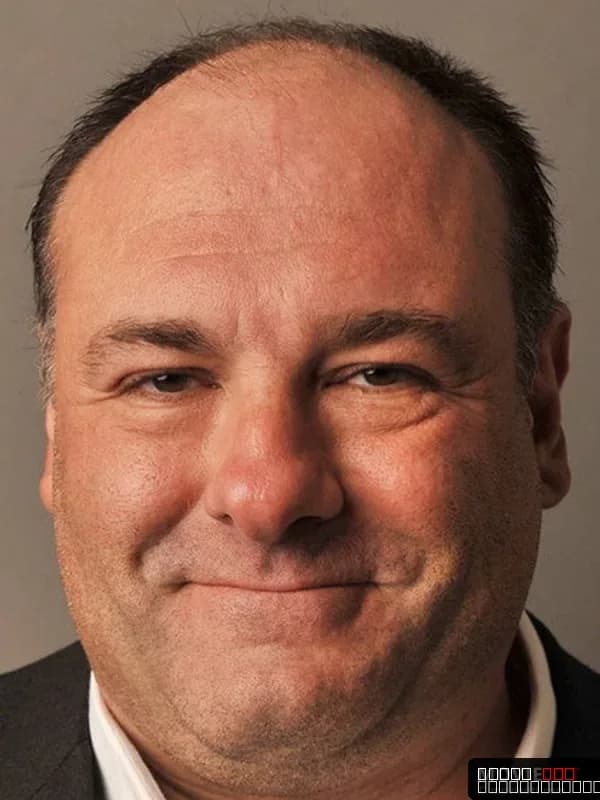
Sidney Lumet brought decades of crime-film expertise to this 1997 project, adapting Robert Daley's novel Tainted Evidence with the kind of insider knowledge that only comes from making films like Serpico and Prince of the City. Paramount Pictures and Spelling Films produced the picture, which hit theaters with a runtime of 113 minutes—lean enough to maintain momentum, long enough to let scenes breathe. The supporting cast reads like a masterclass in character acting: Ian Holm as the compromised police commissioner, James Gandolfini as a detective walking the line between duty and survival, Lena Olin as Casey's love interest caught in the crossfire, Ron Leibman as the DA who recruited Casey, and Richard Dreyfuss in a role that showcases his ability to convey quiet moral authority.
The film arrived in 1997 to respectable critical attention, though it didn't become the cultural juggernaut some expected. It earned a 6.3 rating on IMDb, suggesting audiences found it solid if not transcendent. What's striking is that the film's measured tone—its refusal to sensationalize—may have worked against its commercial prospects. In an era when crime thrillers were trending toward spectacle, Lumet chose restraint. The opening and closing sequences feature jazz, a deliberate choice that frames the narrative as a kind of urban elegy rather than an action vehicle. That decision tells you everything about Lumet's intentions.
What makes Night Falls on Manhattan stand out
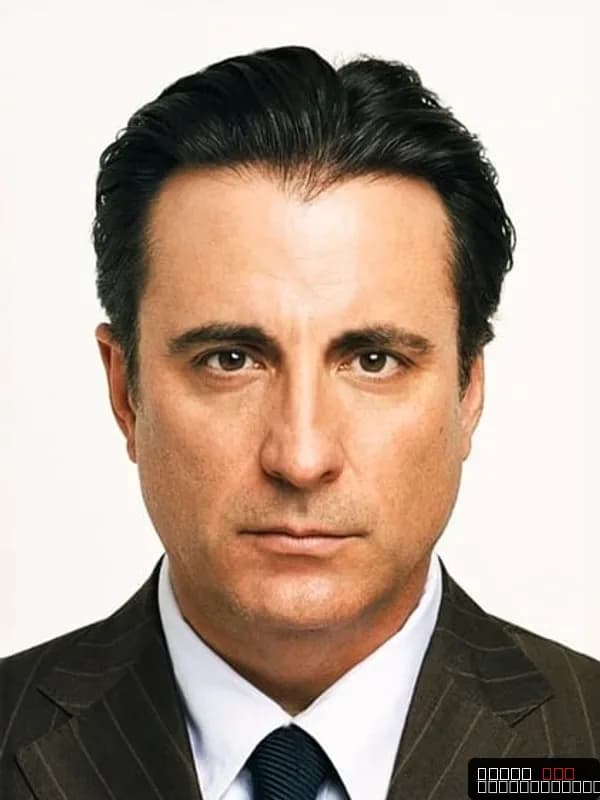
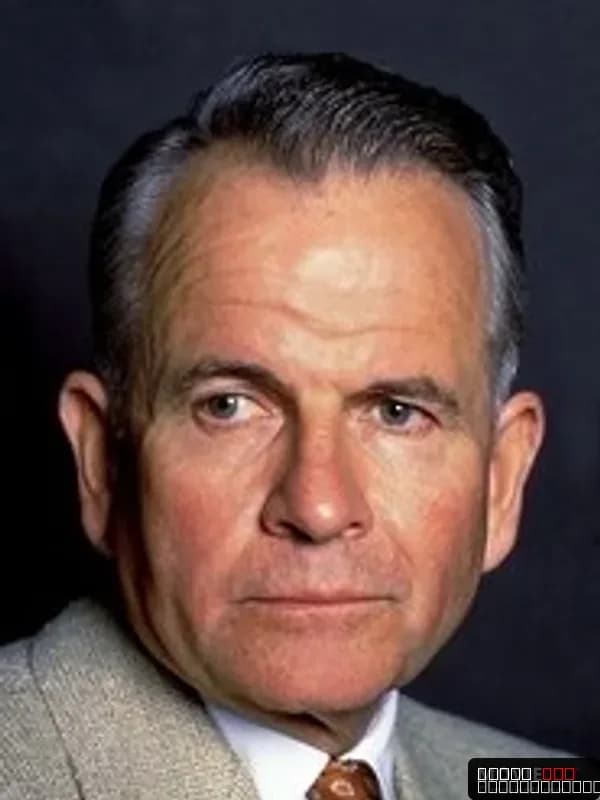
Here's what separates this from the standard corruption-cop thriller: it doesn't let anyone off easy. Not Casey, not his father, not the system itself. The performances anchor the entire enterprise—García brings a controlled intensity to his role, the kind of coiled frustration that comes from knowing the right answer and hating it anyway. Gandolfini, in what feels like a precursor to his later work in The Sopranos, plays a man caught between worlds, and you can see the exhaustion written into every scene. Holm, meanwhile, embodies the bureaucratic calculus of power—he's not a villain, he's just someone who's made peace with compromise.
What's less remarked upon is how the film treats New York itself. This isn't the glamorous Manhattan of most crime dramas (though there are moments of it). It's the grinding, institutional Manhattan—courtrooms and precinct offices and sterile apartments where people make career-ending decisions at 2 a.m. The cinematography captures a city that doesn't care about individual morality, a place where the machinery keeps turning regardless of who gets caught in it. I keep coming back to a scene where Casey confronts his father, and neither of them can quite say what needs to be said. That's the film's real subject: the things we don't say, the compromises we make in silence.
The thing nobody mentions is that this film actually works best on a second viewing. The first time through, you're waiting for plot twists, for the explosive confrontations that crime thrillers promise. The second time, you realize Lumet's already given you everything—the tension comes from watching intelligent people make impossible choices, not from waiting for the next revelation.
How to watch Night Falls on Manhattan online
Night Falls on Manhattan is currently available on major OTT services, and if you're tracking where it streams, Movie OTT maintains an up-to-date guide to its availability across platforms. The film's 113-minute runtime makes it ideal for a weeknight watch—long enough to feel substantial, short enough that you won't feel guilty about the time investment. Since streaming rights shift regularly, checking the Where to Watch widget at the top of this page will show you exactly which services are carrying it right now in your region. Whether you're a Lumet completist or just curious about late-90s crime drama, the streaming availability makes this one worth revisiting.
Frequently asked questions
Q: Who directed Night Falls on Manhattan?
Sidney Lumet wrote and directed the film. Lumet was a master of crime dramas, having previously made Serpico, Prince of the City, and Power. His approach to Night Falls on Manhattan emphasizes character and moral ambiguity over plot mechanics.
Q: Is Night Falls on Manhattan based on a true story?
The film is based on Robert Daley's novel Tainted Evidence, not a specific true event. However, Daley's work was informed by real incidents of police corruption in New York, giving the narrative an air of authenticity even as it remains fictional.
Q: What's the runtime of Night Falls on Manhattan?
The film runs 113 minutes, making it a relatively concise crime drama that doesn't overstay its welcome.
Q: Where can I watch Night Falls on Manhattan?
The film is available on multiple major streaming platforms. Check the Where to Watch widget on this page for current availability, or visit movieott.com to see where it's streaming in your region.
Q: Who stars in Night Falls on Manhattan?
Andy García leads the cast as District Attorney Sean Casey, with supporting performances by Ian Holm, James Gandolfini, Lena Olin, Ron Leibman, and Richard Dreyfuss.
Final thoughts on Night Falls on Manhattan
Night Falls on Manhattan won't blow your mind. It's not a masterpiece. But it's a serious, intelligent film about a serious subject, made by a director who understood that corruption isn't always about villains—it's about systems that grind good people into compromise. If you're looking for something that respects your intelligence and doesn't apologize for its moral ambiguity, this one's worth your time. García's performance alone justifies the watch.