The Story of Night Will Fall and Its Hidden Historical Archive
Night Will Fall tells the remarkable story of a documentary that almost never saw the light of day. In 1945, as Allied forces swept across Europe, British combat cameramen and newsreel crews captured footage of the newly liberated Nazi concentration camps—scenes so devastating, so impossible to comprehend, that the British government wasn't quite sure what to do with them. The film follows the creation and the decades-long disappearance of German Concentration Camps Factual Survey, the original 1945 documentary that attempted to bear witness to the unbelievable. This isn't a film about the camps themselves, exactly. It's a film about the act of witnessing, about the people who tried to document horror when the world wasn't ready to see it, and about why that documentation matters even—or especially—when it's been forgotten.
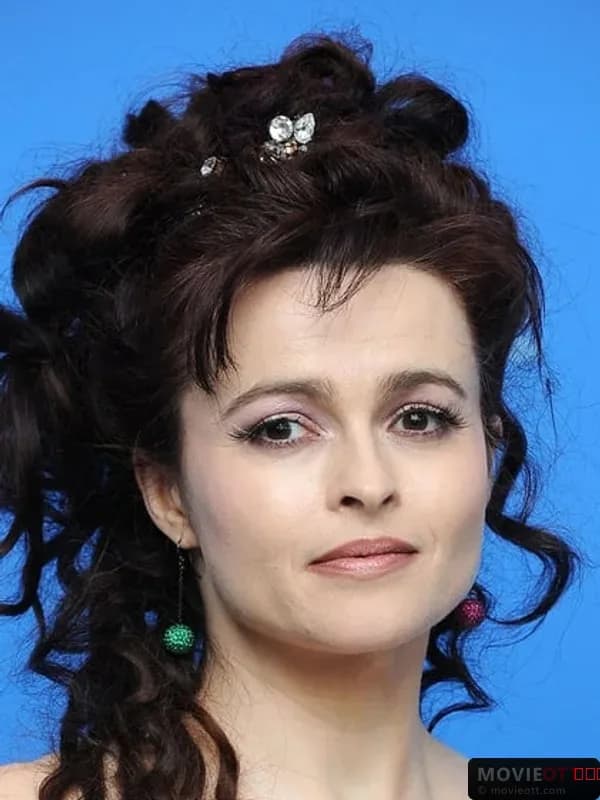
What makes Night Will Fall so gripping is that it's not just archival material strung together. André Singer's 2014 film weaves together the original footage with contemporary interviews, expert testimony, and a careful reconstruction of how this 1945 project came together. Helena Bonham Carter provides narration that's measured and respectful without being maudlin. The 75-minute runtime moves with purpose, never lingering for effect but never rushing either. About 12 minutes of the film comes directly from the original 1945 documentary, and those moments hit differently when you understand the context surrounding them—the political hesitation, the technical challenges, the moral weight that the filmmakers felt.
Behind the Making of Night Will Fall and Its Unlikely Creative Team
The production history of Night Will Fall is as fascinating as the film itself. Sidney Bernstein, a British government official at the time, spearheaded the original 1945 documentary project. But here's where it gets interesting: Alfred Hitchcock—yes, that Hitchcock—was involved in the production. He didn't direct it, but his presence and influence on how the material was framed and presented speaks to how seriously the British government took this archival mission. The original film was shot by combat cameramen working with the armed forces, capturing raw footage that newsreel editors would later piece together. Yet for reasons both bureaucratic and emotional—the footage was simply too much for audiences to process in 1945—the documentary was shelved. It sat in British archives, largely forgotten, for nearly seven decades.
When André Singer decided to complete and contextualize the 1945 project in 2014, he was essentially excavating a piece of forgotten history. The cast of voices in Night Will Fall includes Toby Haggith, a film historian, and Jasper Britton, who reads testimonies from those who witnessed the liberation. Richard Dimbleby's archival voice appears as well—he was a legendary BBC correspondent who covered some of this ground in real time. What's striking is how Singer doesn't treat these voices as mere narration; they become part of the film's argument about memory and documentation. The IMDb rating of 7.2/10 reflects a film that critics and viewers found sobering and important, if not always easy to watch. This isn't a crowd-pleaser. It's a necessary film, which is different.
Why Night Will Fall Stands Out as Essential Historical Documentary
What makes Night Will Fall work—and I mean really work—is that it refuses to look away, but it also refuses to exploit. That's a delicate line to walk when your subject matter is the Holocaust. Singer's approach is to frame the documentary as a story about documentation itself. How do you film the unfathomable? What do you show, and what do you leave to the viewer's imagination? The original 1945 filmmakers grappled with these questions, and Singer's 2014 film grapples with them again, showing us how they grappled. It's a meta-documentary in the best sense—it's about the ethics of bearing witness.
The archival footage is devastating. Not because it's gratuitous, but because it's real. Bodies. Survivors. The physical evidence of systematic murder. But what lingers isn't just the horror—it's the filmmakers' attempts to make sense of it, to document it responsibly, to ensure that future generations would know. One of the most powerful moments comes when the film shows how the original 1945 documentary was edited, what was cut, what was kept. You see the decision-making process. You see people trying to honor both the truth and the viewers' capacity to absorb that truth. That's not something you see in every war documentary. The performances—if you can call them that—from the historians and witnesses are understated and genuine. No one's playing to the camera. Everyone's just trying to say what happened, and why it matters.
Where to Stream Night Will Fall Online
If you're looking to watch Night Will Fall, you can currently stream it on Prime Video. Movie OTT tracks streaming availability across platforms, and you'll find the "Where to Watch" widget at the top of this page showing you exactly where the film is available right now. Prime Video's catalog shifts regularly, so it's worth checking that widget to confirm current availability before you settle in to watch. The film's 75-minute runtime makes it manageable for a single sitting, though honestly, you might want to take a break halfway through. It's not the kind of documentary you rush through.
Frequently asked questions
Q: Is Night Will Fall based on a true story?
Yes. Night Will Fall documents the actual creation of a 1945 British government documentary about Nazi concentration camp liberations. The film combines archival footage from that original project with contemporary interviews and historical context, making it a documentary about a documentary.
Q: Who directed Night Will Fall?
André Singer directed Night Will Fall in 2014. He also worked to complete the original 1945 German Concentration Camps Factual Survey, which had been shelved in British archives for nearly seven decades.
Q: Was Alfred Hitchcock involved in making Night Will Fall?
Hitchcock wasn't involved in the 2014 film, but he did participate in the original 1945 documentary project as a consultant on how the footage should be presented and edited. His influence on the original work is part of Night Will Fall's story.
Q: How long is Night Will Fall?
The film runs 75 minutes, making it a relatively compact documentary that you can watch in one sitting without feeling rushed.
Q: Why was the original 1945 documentary hidden for so long?
The footage was considered too disturbing for 1945 audiences. The British government and filmmakers weren't sure how to present such graphic evidence of Nazi atrocities, so the completed documentary was archived and essentially forgotten until André Singer rediscovered it decades later.
Final Thoughts on Night Will Fall
Night Will Fall is the kind of film that stays with you long after the credits roll. It's not entertainment—it's education, but the difficult kind that actually means something. If you're interested in World War II history, documentary filmmaking, or just understanding how societies process trauma, this film deserves your time. Movie OTT makes it easy to find where it's streaming, so there's no excuse not to seek it out. Watch it. Let it sit with you. That's what it's made for.