


The story of Noel and its interconnected Christmas Eve characters
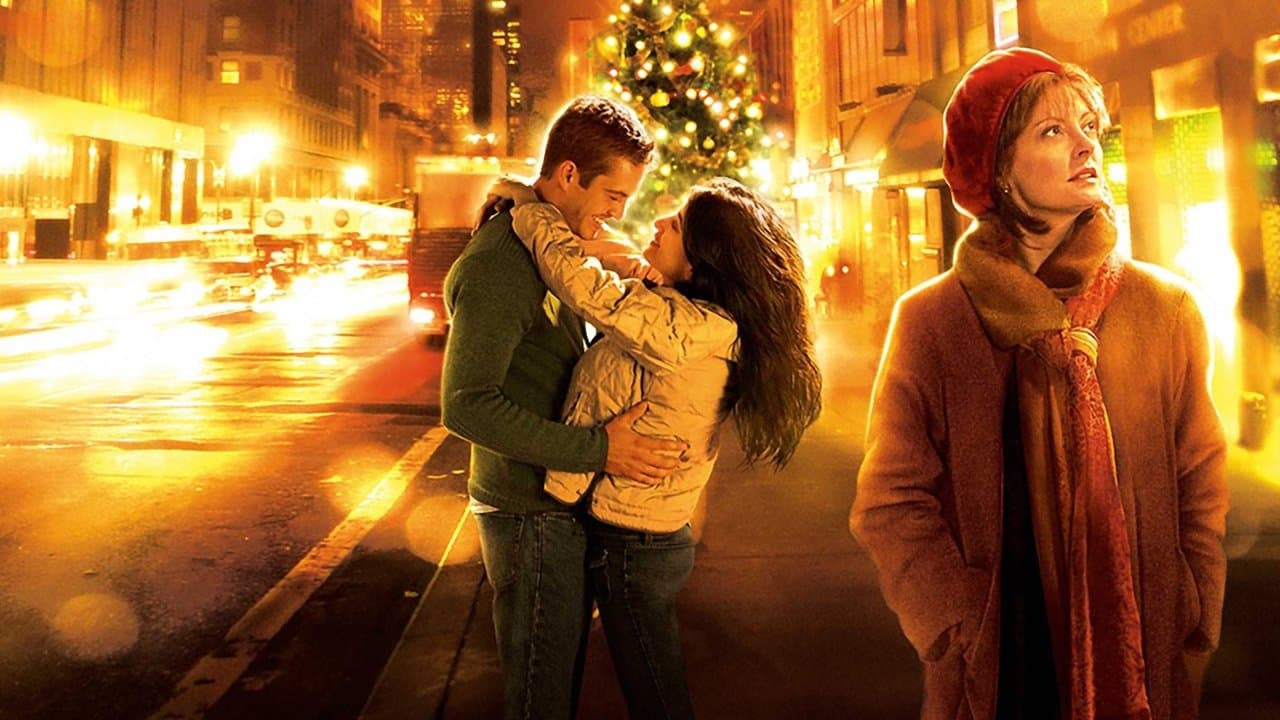
Directed by Chazz Palminteri and written by David Hubbard, Noel is a 2004 Christmas drama that weaves together the lives of five lonely strangers on Christmas Eve in New York City. The film's official tagline—"Miracles are closer than you think"—captures its central thesis: that redemption and connection can arrive in the most unexpected moments, often through people we've never met. At 96 minutes, Noel moves briskly through Manhattan's crowded streets, snowy intersections, and intimate apartments, following characters who don't know each other yet are about to change one another's lives in ways they can't yet imagine. The premise is deceptively simple. Yet the execution—balancing five storylines without letting any one overwhelm the others—demands careful storytelling.
What makes Noel tick is its refusal to be cynical about coincidence. In an age where audiences were already skeptical of feel-good narratives, Palminteri's film doubled down on the idea that strangers can matter to each other, that a conversation on a street corner or in a deli can ripple outward in ways both characters will remember forever. The film doesn't shy away from sadness. Each of the five characters arrives at Christmas Eve carrying real weight—grief, loneliness, regret, displacement—and the movie respects those burdens rather than papering over them with sentimentality.
Behind the making of Noel: production, cast, and the ensemble approach
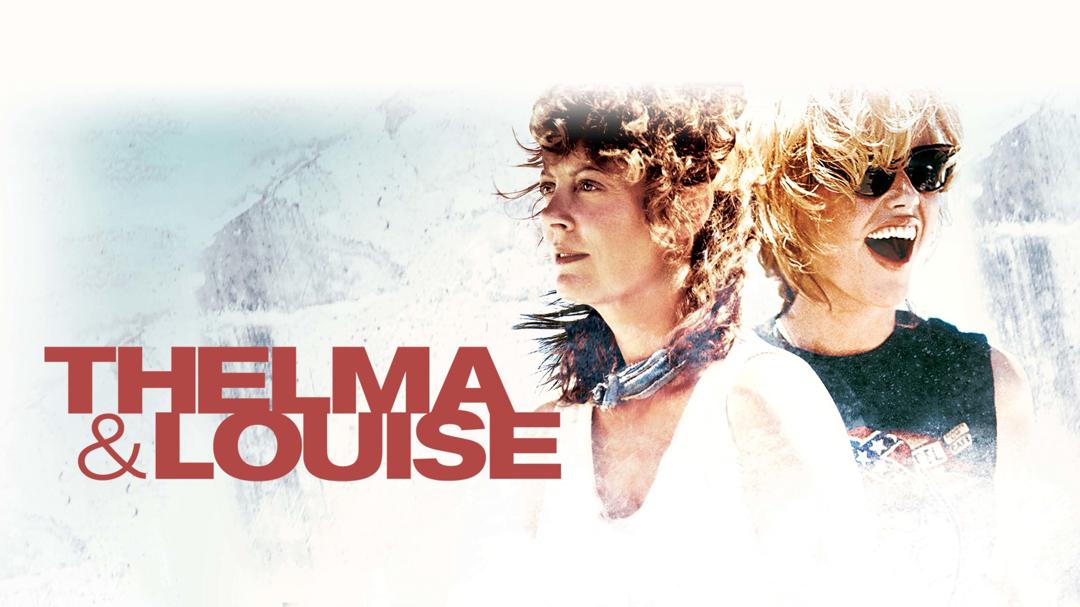
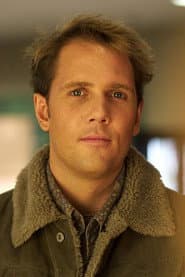
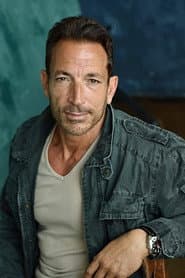
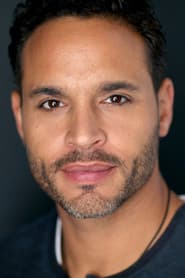
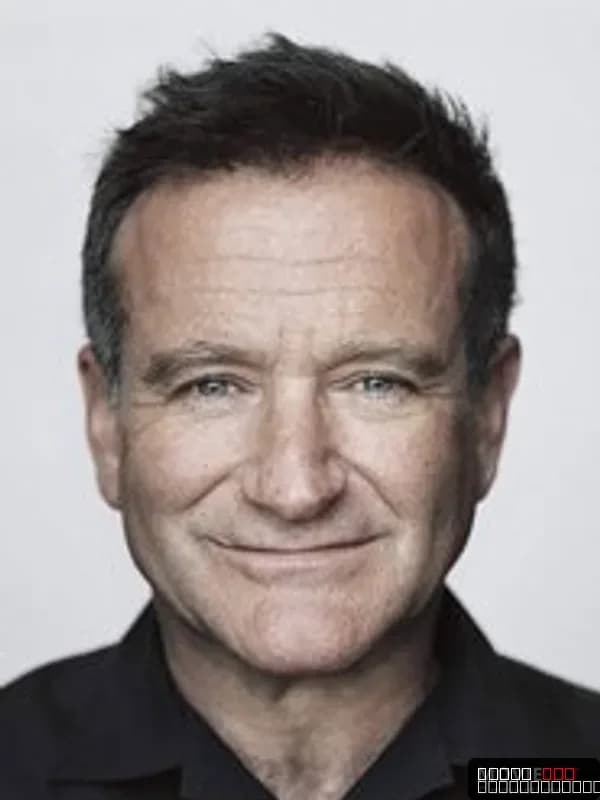
Noel brought together a genuinely impressive ensemble cast for what was essentially a modest holiday production. The film stars Penélope Cruz, Susan Sarandon, Paul Walker, Alan Arkin, and Daniel Sunjata, with an uncredited appearance by Robin Williams that underscores the project's reach within Hollywood's A-list circle. Directed by Chazz Palminteri—known primarily as an actor but stepping into the director's chair here—the film was produced by The Convex Group, Neverland Films, Code Entertainment, and Red Rose Productions. Filming took place partly in Montreal, Quebec, Canada, which doubled for New York's winter atmosphere, though the story itself is set in the city proper.
The casting choices reveal something about the film's ambitions. Sarandon brings gravitas and lived-in weariness to her role; Cruz was at the height of her international appeal in 2004, fresh off her Oscar nomination for Volver was still ahead of her, but her star power was undeniable; Walker, then a rising action star from the Fast and Furious franchise, lent youth and earnestness to the ensemble. Alan Arkin, a veteran character actor with decades of credibility, grounds the film with his presence. The decision to keep Williams uncredited suggests either a cameo or a deliberate choice to surprise audiences—either way, it hints at how seriously the filmmakers took their material. Movie OTT tracks where Noel streams today, but at the time of its release, the film arrived in theaters as a counterprogramming option against larger holiday tentpoles. The film earned a 5.9/10 rating on IMDb, indicating mixed audience reception—not a catastrophic score, but one that suggests the material didn't land uniformly across viewers.
What makes Noel stand out: themes of connection and the performances that anchor the narrative
What's striking about Noel is how it trusts silence as much as dialogue. There are moments where characters simply observe each other—a look across a crowded street, a pause before speaking—and the film lets those moments breathe. That restraint is rare in ensemble dramas, which often feel pressured to explain every emotional beat. Penélope Cruz's performance, in particular, carries a kind of wounded openness that doesn't require grand gestures. She's playing a woman carrying loss, and Cruz doesn't perform the loss so much as embody it—you feel the weight in her posture, her eyes, the way she moves through the city.
Susan Sarandon, meanwhile, brings a different energy: world-weary but not broken, someone who's made peace with solitude even if she hasn't entirely embraced it. The thing nobody mentions is that Noel is fundamentally about people who've given up on connection, only to have it arrive anyway. That's a harder sell than it sounds. Cynicism is easier to play than hope. Despair reads clearer on camera than the fragile moment when someone begins to believe again. The film's central conceit—that five strangers' lives will intersect in ways that matter—could've felt manipulative in less careful hands. But Palminteri's direction treats each character's story with equal weight, refusing to rank one person's loneliness as more important than another's.
I keep coming back to how the film handles its New York setting. The city isn't just backdrop; it's a character itself—crowded, indifferent, beautiful, and isolating all at once. Christmas in the city is a particular kind of loneliness. Everyone around you is celebrating, families are reuniting, the streets are decorated and warm with lights and crowds, and if you're alone, that abundance somehow makes the isolation sharper. Noel understands that paradox in a way that feels earned rather than manufactured.
Where to stream Noel online and find it across major platforms
Noel is currently available on major OTT services, and you can check the "Where to Watch" widget at the top of this page to find which streaming platform carries it in your region right now. Streaming availability shifts frequently, so that widget will always show you the most current options—whether it's on Netflix, Prime Video, or another service. Since Movie OTT aggregates real-time streaming data across platforms, you won't waste time hunting through your apps trying to figure out where this 2004 holiday drama actually lives. The film's 96-minute runtime makes it a manageable watch for a holiday evening, and its Christmas Eve setting gives it natural seasonal relevance every December. If you're building a holiday watchlist, Noel offers something different from the usual Hallmark fare—it's grounded, character-driven, and willing to sit with sadness before offering hope.
Frequently asked questions
Q: Who directed Noel and when was it released?
Noel was directed by Chazz Palminteri and released in 2004. It was written by David Hubbard and features an ensemble cast including Penélope Cruz, Susan Sarandon, Paul Walker, and Alan Arkin.
Q: Is Noel based on a true story?
No, Noel is an original fictional screenplay written by David Hubbard. The story of five strangers intersecting on Christmas Eve in New York City is a work of drama, not based on real events.
Q: How long is Noel?
The film has a runtime of 96 minutes, making it a relatively compact ensemble drama that moves through its interconnected storylines without excessive padding.
Q: Where was Noel filmed?
While the story is set in New York City, Noel was filmed partly in Montreal, Quebec, Canada, which stood in for the Manhattan locations in the narrative.
Q: What does the tagline "Miracles are closer than you think" mean in the context of Noel?
The tagline reflects the film's central theme that connection and redemption can arrive unexpectedly through chance encounters with strangers, suggesting that meaningful moments often emerge from ordinary circumstances rather than grand gestures.
Final thoughts on Noel: who should watch this Christmas drama
Noel isn't for everyone. If you want explosions or irony or a cynical take on the holidays, you'll be disappointed. But if you're drawn to character studies, to stories about people finding unexpected meaning in ordinary moments, or if you simply want a film that treats loneliness with respect rather than sentimentality, Noel deserves your time. It's a film about connection in an age of disconnection—which, funny enough, was true in 2004 and remains true today. The cast's commitment to the material elevates what could've been a schmaltzy premise into something genuine. Watch it when you're in the mood for something quiet, thoughtful, and ultimately kind. Don't expect fireworks. Expect something better: recognition.