The Story of On the Waterfront
On the Waterfront opens on the docks of Hoboken, New Jersey, where an ex-boxer named Terry Malloy works as a longshoreman under the iron fist of union boss Johnny Friendly. What starts as an ordinary day becomes anything but when a fellow dock worker—someone Terry knows—turns up dead, apparently murdered for talking to the crime commission. Terry finds himself caught between two impossible worlds: the code of silence that keeps him safe among the union men, and a growing conscience that won't let him ignore what he's witnessed. The film doesn't rush its central conflict. Instead, it builds tension through small moments—a conversation in a bar, a chance encounter with a priest who challenges Terry's moral cowardice, a budding romance that forces him to confront who he's become. What unfolds is a story about one man's struggle to do the right thing when everything around him—his job, his friendships, his survival—depends on his silence.
Behind the Making of On the Waterfront
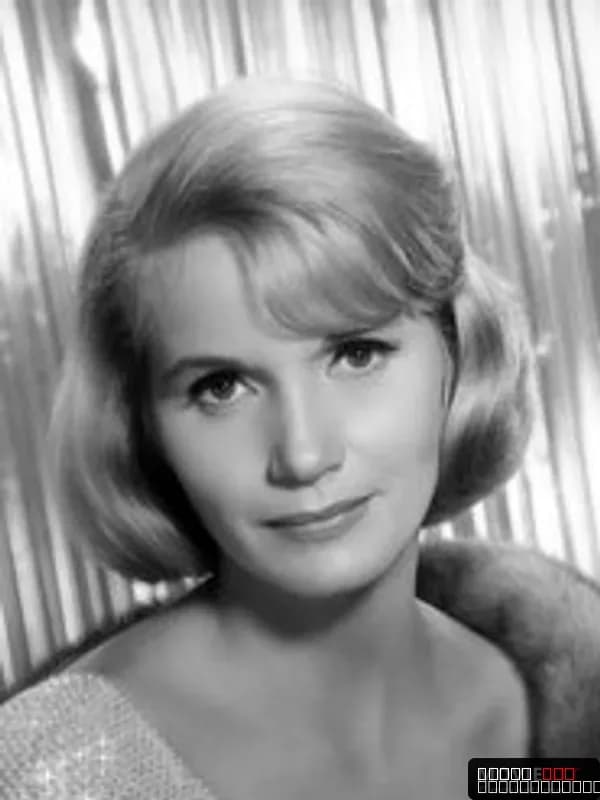
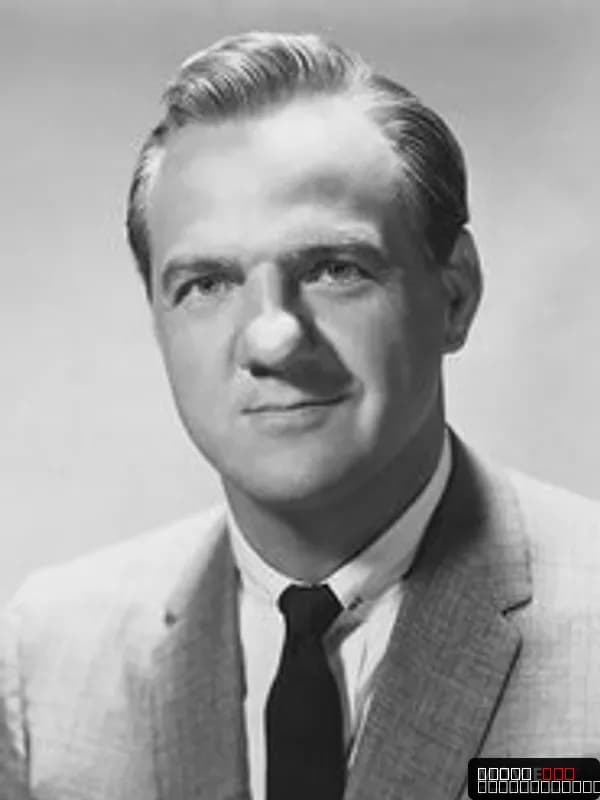
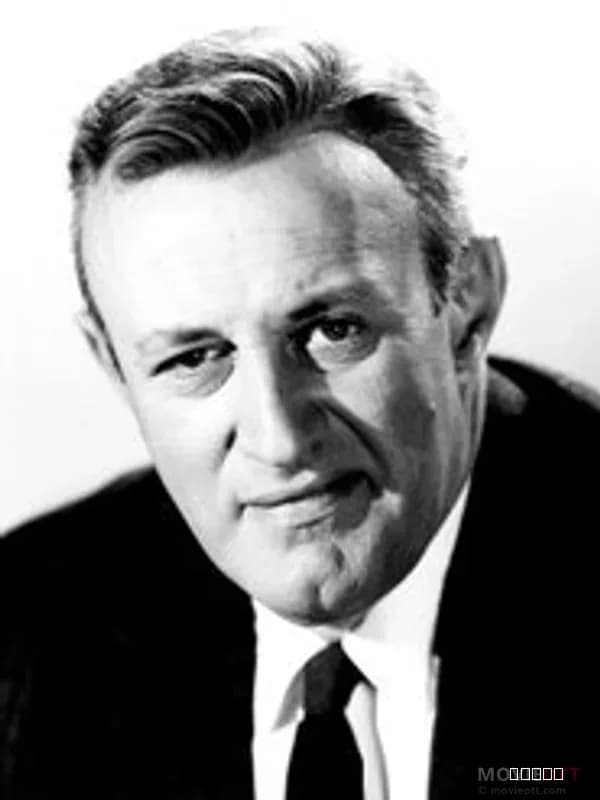
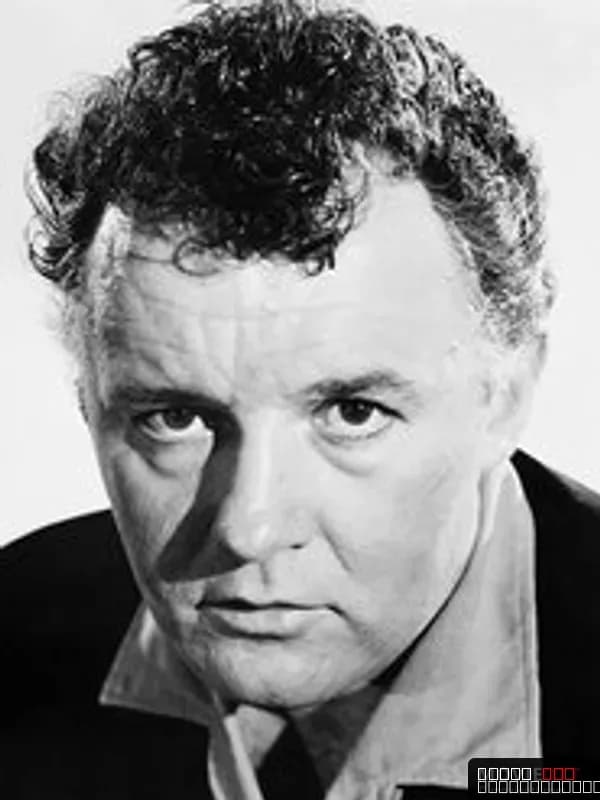
Elia Kazan directed On the Waterfront from a screenplay by Budd Schulberg, who drew inspiration from a real series of investigative articles titled "Crime on the Waterfront" published in the New York Sun in 1948 by Malcolm Johnson—work that won the Pulitzer Prize for Local Reporting. What's striking is that Schulberg didn't simply adapt Johnson's journalism; he crafted an original story that captured the spirit of those actual events while creating something cinematically alive. The production brought together a cast that would define American cinema for decades: Marlon Brando in his breakthrough role, Karl Malden as the morally driven Father Barry, Lee J. Cobb as the menacing Johnny Friendly, and Rod Steiger in a supporting turn that crackles with tension. Eva Marie Saint made her film debut here—a remarkable introduction to the medium. Leonard Bernstein, who'd later become synonymous with West Side Story, composed the film's score; it was his only original film composition. The picture was shot in black and white, a choice that deepens its noir atmosphere and gives the dock scenes an almost documentary authenticity. On the Waterfront earned 30 wins and 11 nominations across major award bodies, but its most significant haul came at the 1955 Academy Awards, where it won 8 Oscars including Best Picture, Best Director, Best Actor (Brando), and Best Supporting Actress (Saint). The film's MPAA rating of "Approved" belies its unflinching examination of violence, corruption, and moral compromise—standards were different then, but the content remains potent.
What Makes On the Waterfront Stand Out
There's a scene early on where Terry releases pigeons from a rooftop—a small, almost throwaway moment that somehow encapsulates the entire film's emotional architecture. The pigeons are his pets, his only innocent companions in a world of betrayal and brutality. That image haunts you. Brando's performance isn't the explosive, Method-acting showcase people sometimes remember; it's quieter than that, more fractured. He stammers, he mumbles, he looks away. When he finally confronts the people who've shaped his life—his brother, Johnny Friendly, even himself—the words come out raw and uncertain. "I coulda been a contender," he says, and it's not just about boxing. It's about the man he might've been if he'd had the courage to choose differently. Critics have consistently praised the film's moral clarity without ever letting it become preachy. Father Barry doesn't arrive as a savior; he's just a priest who asks uncomfortable questions. The ensemble cast—particularly Malden and Cobb—creates a world that feels lived-in and dangerous. What I keep coming back to is how the film refuses easy answers. Terry's decision to testify isn't presented as redemptive catharsis; it's messy, costly, and uncertain. The black-and-white cinematography by Boris Kaufman captures both the industrial bleakness of the docks and unexpected moments of tenderness—a glance between Terry and Edie, the way light falls on a face during confession. Rotten Tomatoes users have given it a 99% fresh rating, and the Metascore of 91 reflects critical consensus: this is filmmaking of the highest order. The IMDb rating of 8.1 from over 172,000 votes speaks to its enduring appeal across generations of viewers.
Where to Stream On the Waterfront Online
On the Waterfront is widely available across streaming platforms, making it easier than ever to experience this classic. You can find it on Netflix, Amazon Prime Video with Ads, Apple TV Store, YouTube, and numerous other services including Filmin, U-NEXT, Rakuten TV, and Sky Store, among many others. The exact platform availability can shift, so Movie OTT maintains a comprehensive "Where to Watch" widget at the top of this page that updates in real time, showing you every service currently offering the film in your region. Whether you prefer to rent, buy, or stream through a subscription service, you'll likely find an option that works for you. The film's 103-minute runtime means it fits neatly into an evening, and the black-and-white presentation actually looks stunning on modern displays—there's a clarity and detail that color sometimes obscures. If you're trying to decide which platform to use, Movie OTT tracks current streaming availability across most major services, so you can compare options before you start watching.
Frequently Asked Questions
Q: Who directed On the Waterfront?
Elia Kazan directed the film, working from a screenplay by Budd Schulberg. Kazan's direction is precise and intimate, focusing on character and moral conflict rather than spectacle.
Q: Is On the Waterfront based on a true story?
The film was inspired by "Crime on the Waterfront," a series of real investigative articles published in the New York Sun in 1948 by Malcolm Johnson. However, Schulberg's screenplay is an original story rather than a direct adaptation, capturing the spirit of actual dock corruption while creating fictional characters and plot.
Q: How many Oscars did On the Waterfront win?
The film won 8 Academy Awards at the 1955 ceremony, including Best Picture, Best Director, Best Actor (Marlon Brando), Best Supporting Actress (Eva Marie Saint), Best Cinematography, Best Film Editing, Best Original Story, and Best Original Score.
Q: What is the runtime of On the Waterfront?
The film runs 103 minutes, making it a lean, focused narrative that doesn't waste a moment.
Q: What's the critical consensus on On the Waterfront?
On the Waterfront has near-universal critical acclaim: 99% on Rotten Tomatoes, a Metascore of 91, and an IMDb rating of 8.1 based on over 172,000 votes. It's widely regarded as one of the greatest American films ever made.
Final Thoughts on On the Waterfront
Seventy years later, On the Waterfront hasn't aged. The specifics of dock unions might feel historical, but the film's real subject—the cost of choosing conscience over comfort, the way power silences dissent, the possibility of redemption even when you've made terrible choices—remains urgent. Watch it for Brando's performance, yes. Watch it for the craft: the cinematography, the editing, the score. But mostly watch it because it's a film that trusts its audience to feel the weight of moral compromise without spelling it out. It's a contender.