The story of Ordet: faith, doubt, and family fracture
Ordet — which translates to "The Word" — tells the story of a widowed father and his three adult sons living in rural Sweden, each grappling with their own relationship to Lutheran faith and religious conviction. When one of the sons' wives becomes pregnant, the family's simmering tensions over belief, doubt, and tradition suddenly threaten to tear them apart. What begins as a domestic drama about inheritance and expectation becomes something far more searching: an examination of what happens when people who love each other can't agree on the most fundamental questions. Molander doesn't offer easy answers. The film sits in the discomfort of that disagreement — in the silences between family members who speak the same language but no longer share the same God.
Behind the making of Ordet: production, cast, and legacy
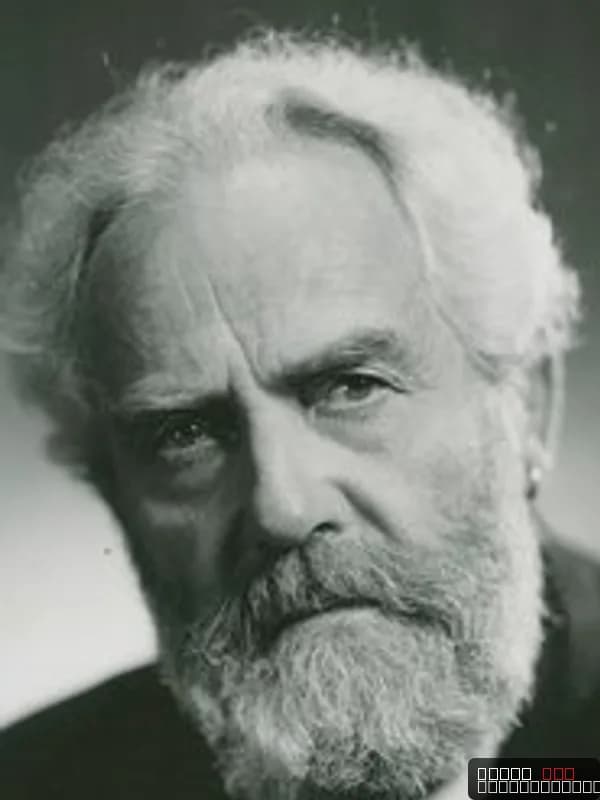
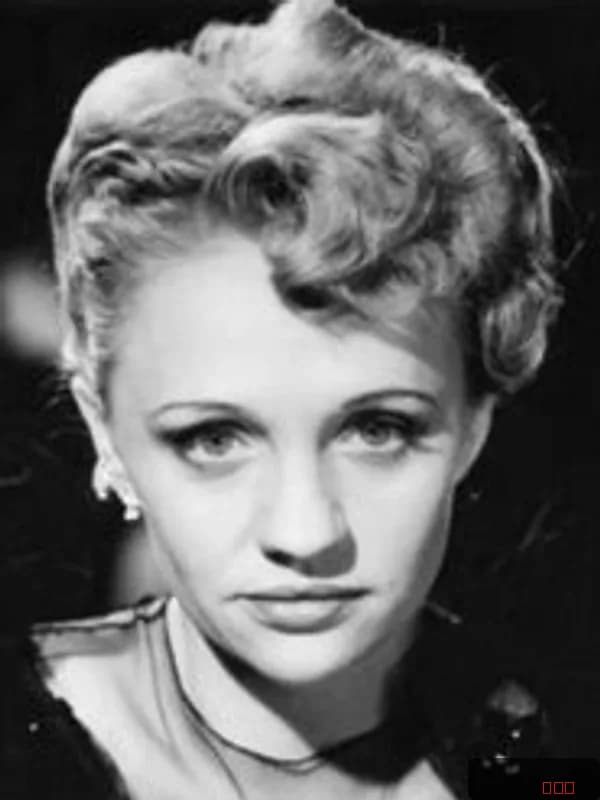
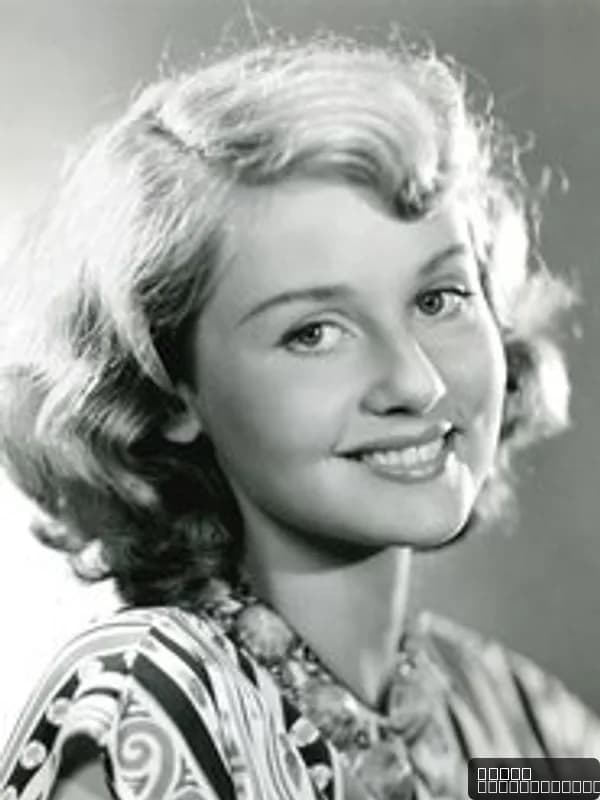
Gustaff Molander directed Ordet in 1943, basing the screenplay on Kaj Munk's 1925 play of the same name. What's often overlooked is that Molander's adaptation predated Carl Th. Dreyer's far more celebrated 1955 film by over a decade — yet it remained largely in the shadow of that later version for decades. The cast featured the legendary Swedish actor Victor Sjöström in a central role, alongside Holger Löwenadler, Rune Lindström, and Stig Olin. Sjöström, who'd already become a titan of silent cinema, brought the gravitas the role demanded. The film runs 108 minutes and was produced during World War II, when Swedish cinema occupied a peculiar position — neutral territory, but creatively constrained by wartime conditions and the weight of European upheaval.
The picture didn't achieve major international distribution in its era, and box office records from 1943 Sweden are fragmentary at best. What matters more is the film's standing among critics and cinephiles who've rediscovered it: it holds a 7.1 rating on IMDb across 279 votes, a respectable score that reflects genuine appreciation rather than mainstream cultural penetration. Movie OTT tracks where classic films like this one live across streaming platforms, making it easier for viewers to find work that might otherwise stay buried in archives. Molander's version may not have the visual poetry or the stark theological intensity of Dreyer's later adaptation, but it has something equally valuable — a rawer, more intimate sense of how these arguments actually happen in living rooms, at dinner tables, in the spaces between family members.
What makes Ordet stand out: performance and spiritual wrestling
The real power of Molander's Ordet lies in how it refuses to make any character simply "right" or "wrong." The father isn't a tyrant; the skeptical son isn't a villain. They're trapped in a genuine impasse — one rooted in historical moment (post-WWI disillusionment, the rise of secular thought) and personal grief. Sjöström's performance carries the weight of a man trying to hold together a family and a faith simultaneously, and the strain shows. What's striking is how the film never punches down at doubt or up at faith. It just watches them collide.
The supporting cast — particularly Löwenadler and Olin — ground the drama in specificity. These aren't actors performing "types." They're people. The cinematography, while constrained by 1943 studio technique, uses shadow and domestic interiors to create a sense of psychological claustrophobia. You feel the walls closing in as the argument about the unborn child's fate intensifies. The thing nobody mentions about Ordet is how much of its impact comes from what isn't said — the conversations that don't happen, the prayers that go unanswered, the silences that stretch longer than any monologue could.
Critics who've revisited the film in recent years note its unflinching approach to religious doubt at a time when such doubt was still somewhat transgressive in Scandinavian cinema. It's not a film that wants to convert you or convince you. It wants to make you sit with the problem.
Where to stream Ordet online
Ordet is currently available on Netflix, where it's accessible to subscribers in regions where the title is licensed. Streaming availability for classic Swedish cinema can be regional and subject to licensing windows, so if you're looking to watch, check the "Where to Watch" widget at the top of this page for the most current platform information in your area. Movie OTT maintains up-to-date tracking of where films like this one are streaming, so you'll know exactly where to find it before you click play. Given the film's relative obscurity in English-speaking markets, the fact that it's on a major platform at all is worth noting — it's a sign that streaming services are beginning to excavate deeper cuts from European cinema history.
Frequently asked questions
Q: Is Ordet based on a play? Yes. Molander adapted Kaj Munk's 1925 Danish play of the same name. The play was also adapted by Carl Th. Dreyer in 1955, which became the more internationally famous version, but Molander's 1943 film came first and offers a distinctly different interpretation.
Q: Who directed Ordet (1943)? Gustaff Molander directed this version. Molander was a prolific Swedish filmmaker who worked extensively in the 1930s and 1940s. He's less famous internationally than some of his contemporaries, but his body of work shows real craftsmanship and psychological depth.
Q: What's the runtime of Ordet? The film runs 108 minutes, making it a substantial drama that takes its time with character and conflict rather than rushing toward resolution.
Q: Is Ordet a religious film? It engages deeply with religious faith and doubt, but it's not a "religious film" in the evangelical sense. It's a family drama that uses theological disagreement as the engine of conflict. The film treats faith and skepticism with equal seriousness.
Q: How does Molander's version compare to Dreyer's 1955 The Word? Molander's is more intimate and psychologically grounded; Dreyer's is more visually poetic and spiritually transcendent. Both are worth watching. Molander's feels like a chamber piece; Dreyer's feels like a cathedral.
Final thoughts on Ordet
Molander's Ordet doesn't have the reputation of Dreyer's later adaptation, but it deserves to be seen on its own terms. It's a film about people who can't talk to each other even though they're in the same room — which, honestly, feels more relevant now than it did in 1943. The performances are restrained, the pacing deliberate, the ending ambiguous in a way that'll stay with you. If you're interested in classic Scandinavian cinema or in how mid-century filmmakers approached spiritual crisis, this is essential viewing. It won't give you answers. But it'll make you think about the questions that matter.