Actor
Inga Landgré
2 films on Movie OTT · Active 1943–1967
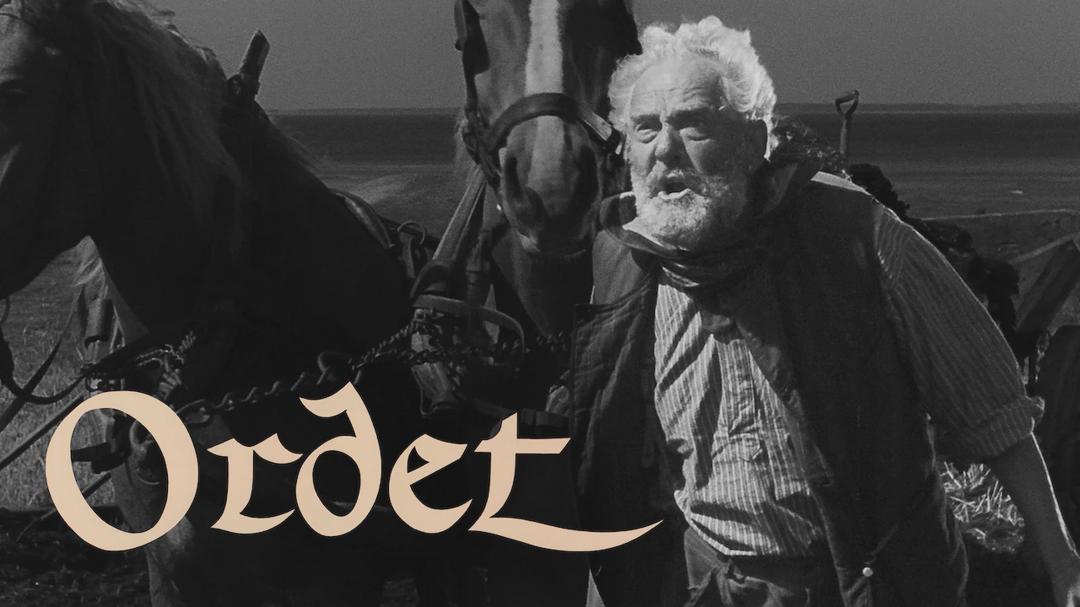
Inga Landgré emerged as a major screen presence in Swedish cinema during the 1940s, anchoring Carl Theodor Dreyer's austere masterpiece Ordet in 1943. The film, a meditation on faith and miracle set in a rural Danish household, demanded actors who could sustain long, unbroken takes without artifice. Landgré played Inger, the dying wife whose stillborn child becomes the focal point of the family's spiritual reckoning. Dreyer's camera holds on her face—exhausted, then luminous—and she doesn't flinch from the weight of it. That performance established her as someone willing to sit with discomfort, to let silence do the work that most actors fill with gesture. It's the kind of role that doesn't make you famous so much as it makes you trusted.
About Inga Landgré
Inga Landgré emerged as a major screen presence in Swedish cinema during the 1940s, anchoring Carl Theodor Dreyer's austere masterpiece Ordet in 1943. The film, a meditation on faith and miracle set in a rural Danish household, demanded actors who could sustain long, unbroken takes without artifice. Landgré played Inger, the dying wife whose stillborn child becomes the focal point of the family's spiritual reckoning. Dreyer's camera holds on her face—exhausted, then luminous—and she doesn't flinch from the weight of it. That performance established her as someone willing to sit with discomfort, to let silence do the work that most actors fill with gesture. It's the kind of role that doesn't make you famous so much as it makes you trusted.
What's striking is how her career spanned decades without chasing trends. Ordet came early; she was just sixteen when Dreyer cast her. By the 1960s, she was still working, still choosing roles with care rather than desperation. Hugo and Josephine, released in 1967, showed her in a different register entirely—a warmer, more intimate family drama that proved she could modulate her intensity without losing it. The film follows two children navigating friendship and growing up in rural Sweden, and Landgré's presence as an adult figure carries the kind of quiet authority that makes younger actors feel safe.
Her collaborations with Dreyer in particular shaped her approach to the craft. That austere, patient aesthetic didn't leave her; you can feel it in later work. She wasn't someone who needed big speeches or close-ups to justify her presence on screen. A glance. A breath held too long. These were her tools.
Recognition came steadily rather than in a single breakthrough moment, which is perhaps fitting for an actor of her temperament. Swedish film institutions acknowledged her contributions over time, though international awards often overlooked her—a common fate for Scandinavian performers working in regional cinema during the mid-twentieth century, however accomplished.
Her filmography may not be exhaustive in available records, but the titles that remain tell a coherent story: an artist who worked within European art cinema, who trusted directors like Dreyer, and who didn't need the machinery of Hollywood to validate her choices. Landgré continued working into her later years, taking on smaller roles that suggested she valued the work itself over billing or prominence. That's a different kind of career than the one most film histories celebrate. Rarer, maybe. Harder to market. But look at Ordet again, and you'll understand why it mattered.
Currently streaming
2 of 2 on platforms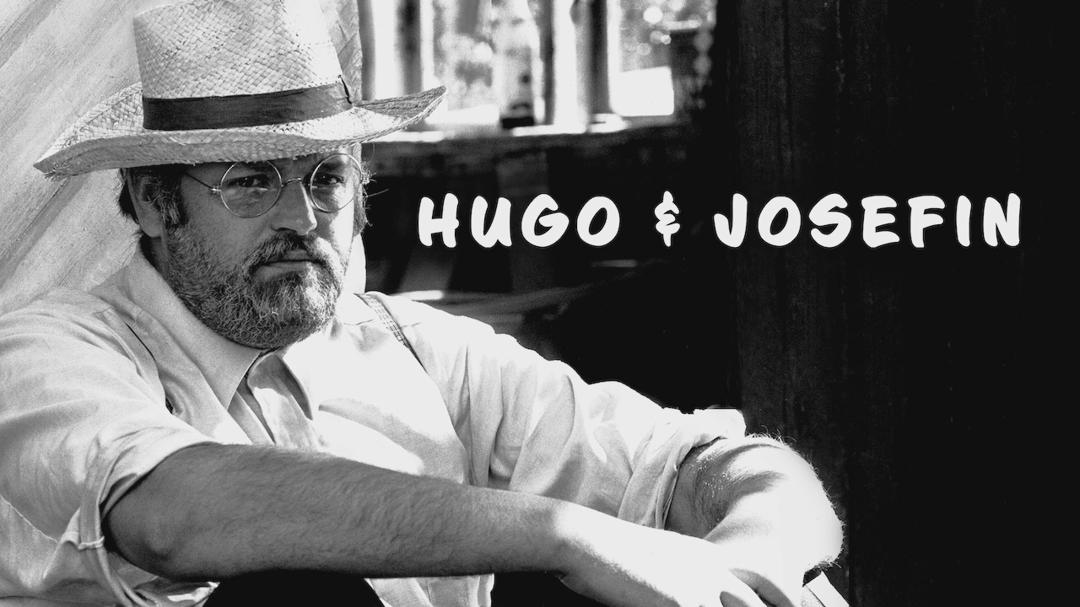
Filmography
Frequently asked questions
When and where was Inga Landgré born?
Inga Landgré was born 1927-08-06 in Stockholm, Sweden.
What films is Inga Landgré known for?
Inga Landgré has 2 titles indexed on Movie OTT, including Hugo and Josephine, Ordet.
Where can I watch Inga Landgré's films?
2 of Inga Landgré's films are currently streaming, available on Netflix, Netflix Kids, Netflix Standard with Ads.
How long has Inga Landgré been active?
Inga Landgré's film career on Movie OTT spans from 1943 to 1967 — 24 years of work.