The Story of Out of the Darkness
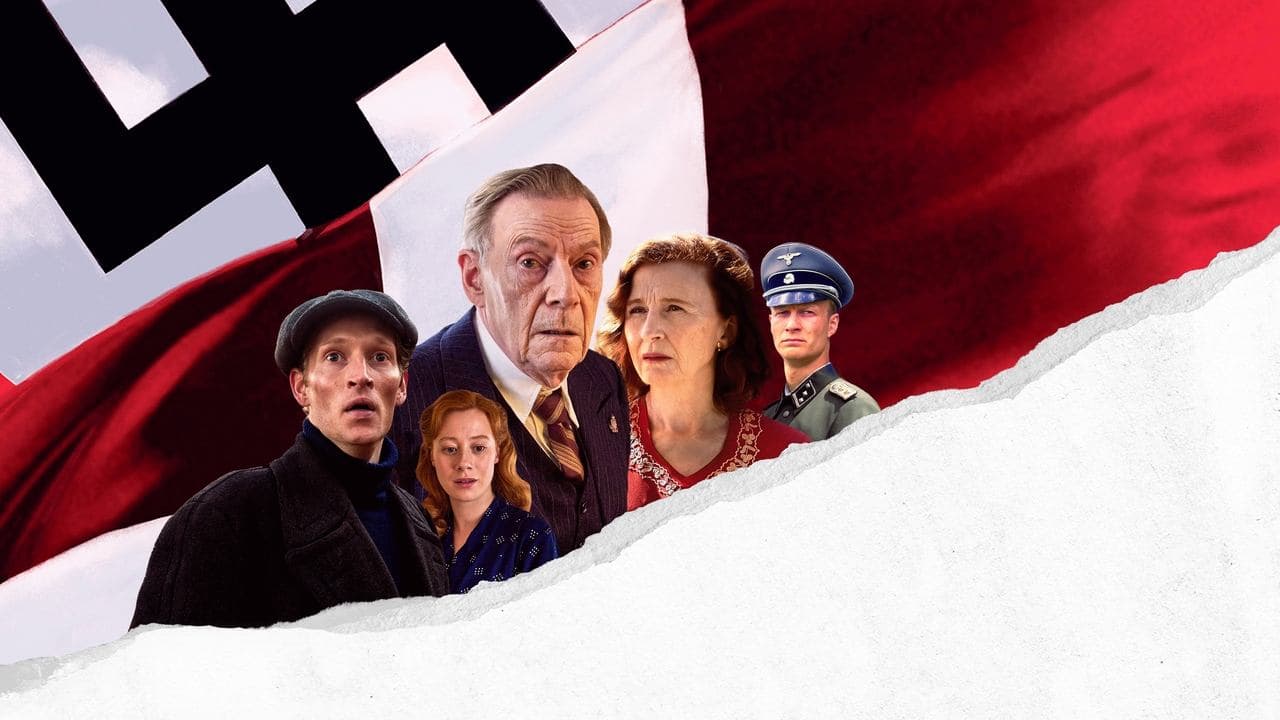
Out of the Darkness is the continuation of the acclaimed Danish WWII drama Into the Darkness, and it doesn't pull punches. Set from 1943 to the war's end, the film follows the Skov family as Denmark's official policy of "cooperation" with Nazi occupation finally crumbles, and the resistance movement transforms from whispered defiance into open conflict. What makes this sequel particularly gripping is its refusal to romanticize what comes next — the film shows how growing opposition to occupation and escalating German brutality don't lead to heroic triumph so much as they lead to tragedy, loss, and impossible choices for ordinary people caught in the machinery of war.
Behind the Making of Out of the Darkness
Produced by Space Rocket Nation ApS and released in 2022, Out of the Darkness carries a runtime of 154 minutes — that's two and a half hours of dense, uncompromising storytelling that doesn't waste a moment. The film is the direct sequel to Into the Darkness (De forbandede år in Danish), which established itself as a serious entry in the European war-drama canon. While it earned two award nominations, the film's recognition came more from festival circuits and international film communities than mainstream box-office dominance, which tells you something about its ambitions — this isn't a blockbuster war movie with explosions and heroic speeches. It's a character-driven examination of what happens when a nation tries to reclaim its dignity under occupation, and the price gets paid in blood.
The production team understood they were working with real historical stakes. Denmark's occupation during World War II wasn't a conventional invasion-and-resistance narrative; it was something more psychologically complex. The country had negotiated a "cooperation" agreement with Nazi Germany, a compromise that allowed some autonomy but demanded complicity. By 1943, as the war shifted, that arrangement became untenable. Out of the Darkness captures that moment of rupture — when collaboration becomes impossible, and resistance becomes necessary, even if it means everything falls apart.
What Makes Out of the Darkness Stand Out
What's striking about Out of the Darkness is how it refuses the comfort of a clear moral arc. The film doesn't celebrate resistance as the obvious right choice — instead, it shows resistance as the choice that destroys families. The Skov family isn't a unit of heroes; they're people trying to survive, and their attempts to fight back have fatal consequences. That's not a spoiler so much as a warning: this film operates in the register of tragedy, not triumph. The performances anchor this perfectly, with actors inhabiting the weight of impossible decisions rather than delivering speeches about freedom.
I keep coming back to how the film balances intimacy with historical scope. You're watching dinner-table conversations and family arguments, but those conversations are happening in a country under military occupation, where the wrong word to the wrong person means arrest, torture, or death. That tension — between the small domestic dramas we all understand and the vast historical machinery grinding around them — is what makes the film work. It's not that the film is subtle; it's that it trusts you to understand how the personal and political are inseparable. The increased brutality of the Germans doesn't arrive as a plot point; it arrives as a reality that changes how people speak to each other, what they can afford to feel, whether they can afford to love anyone.
The IMDb rating of 6.5 out of 10 (based on 913 votes) might seem modest, but that score reflects the film's refusal to be likable in the conventional sense. It's not trying to entertain you — it's trying to make you understand something about what occupation actually costs, what resistance actually demands, and why some families don't survive it intact.
Where to Stream Out of the Darkness Online
Out of the Darkness is available across major OTT services, and you can check the Where to Watch widget at the top of this page to see exactly which platforms currently have it in your region. Streaming availability shifts regularly, so Movie OTT keeps those listings updated so you don't waste time searching. The film's length — 154 minutes — makes it a commitment, so you'll want to know it's actually available before you settle in, which is exactly what that widget does. Given the film's intensity and historical weight, watching it on a proper screen with good sound matters; this isn't a background-watch kind of movie.
Frequently asked questions
Q: Is Out of the Darkness based on a true story?
Yes, the film is based on real historical events during the Danish occupation of World War II. While the Skov family is a fictional creation, their experiences reflect the genuine struggles of Danish resistance fighters and civilians caught between collaboration and defiance during the final years of the war.
Q: Do I need to watch Into the Darkness first?
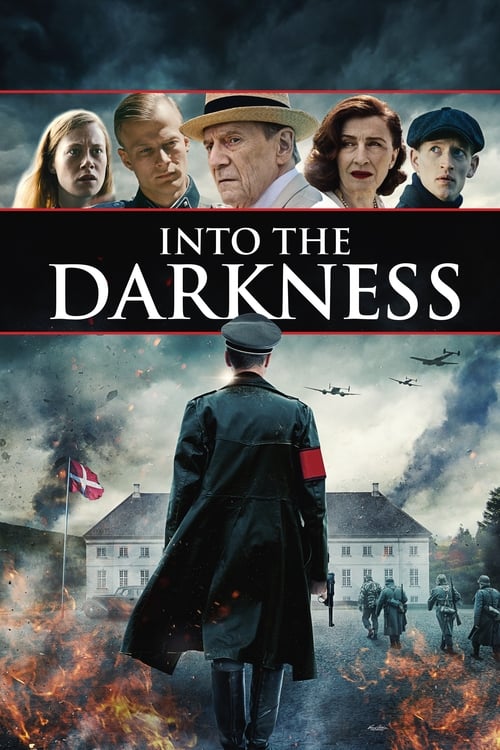
It's strongly recommended. Out of the Darkness is a direct sequel that picks up the narrative where the first film ended, and the emotional weight of the Skov family's journey relies on knowing their backstory. Watching Into the Darkness first will make the stakes and character relationships in this film far more devastating.
Q: Who directed Out of the Darkness?
The film was produced by Space Rocket Nation ApS, a Danish production company that specializes in historical dramas. The production team brought significant expertise in Danish WWII storytelling, having already established credibility with Into the Darkness.
Q: How long is Out of the Darkness?
The film runs 154 minutes, or just over two and a half hours. That runtime isn't padding — it's necessary space for the film to develop its characters and explore the slow, grinding reality of occupation and resistance without rushing toward convenient resolutions.
Q: What language is Out of the Darkness in?
Out of the Darkness is a Danish film, so it's primarily in Danish with subtitles available depending on your streaming platform. The film's dialogue and performances are rooted in Danish culture and history, which is central to understanding the nuances of the story.
Final Thoughts on Out of the Darkness
Out of the Darkness isn't easy to watch, and it's not trying to be. It's a film that respects your intelligence and your willingness to sit with uncomfortable truths about occupation, resistance, and the cost of freedom. If you've seen Into the Darkness and want to know what happens to the families you came to care about, you need to watch this. And if you're looking for a serious, historically grounded war drama that doesn't flinch from showing how resistance movements actually function — with real people paying real prices — this is it. Just don't expect catharsis. Expect clarity.