




The story of Palo Alto: Suburban ennui and teenage rebellion
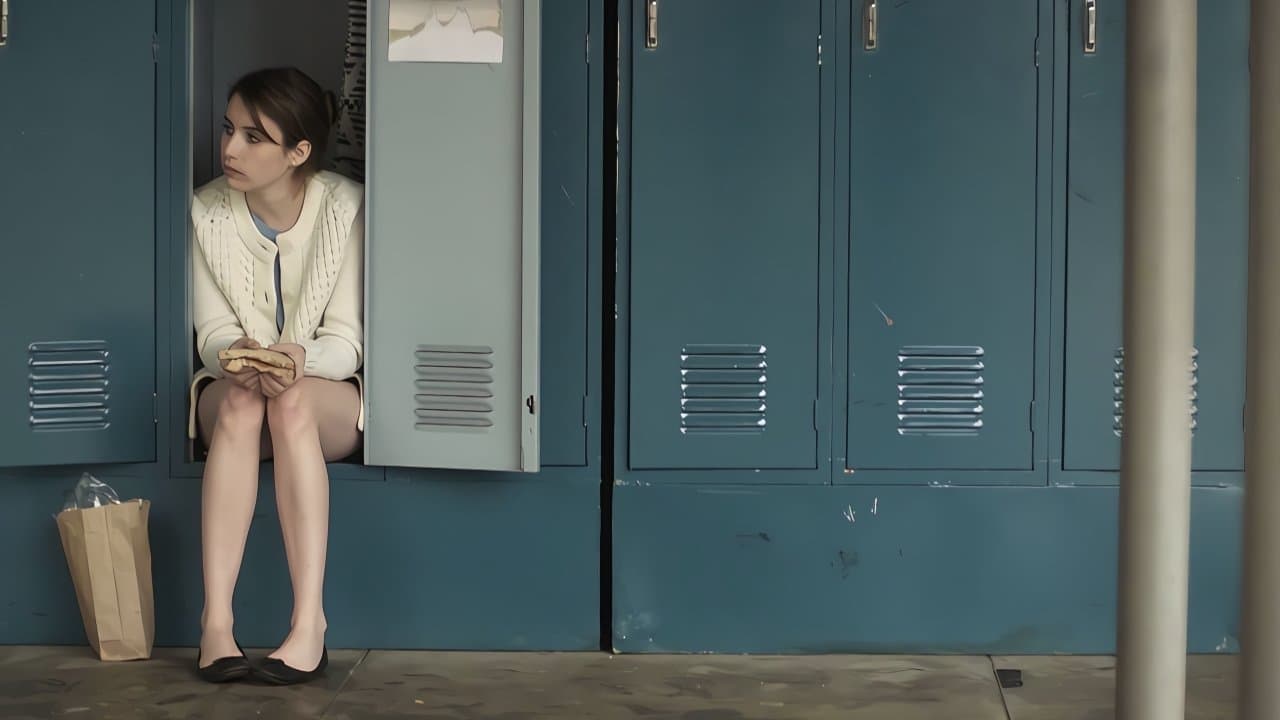
Palo Alto isn't trying to hide what it is. The film opens in the eponymous California town—a place of redwood trees, manicured lawns, and the kind of quiet wealth that breeds a particular brand of teenage discontent. Director James Franco follows a cluster of high school students as they drift through their days fueled by alcohol, pot, and a kind of purposeless restlessness that money can't quite cure. There's no grand narrative arc here, no redemption subplot waiting in the wings. Instead, Franco opts for something closer to a mood piece: a collection of interconnected vignettes showing how kids with every advantage still manage to sabotage themselves. The film's unofficial tagline—"In every city some seek love, some look for trouble, others look for both"—captures this aimlessness perfectly. You're watching teenagers who aren't rebelling against anything in particular; they're just bored, and boredom, it turns out, can be just as destructive as any genuine hardship.
Behind the making of Palo Alto: Franco's directorial ambition and casting choices
Palo Alto marks James Franco's first feature film as director, adapted from his own 2010 short story collection of the same name. That pedigree alone generated curiosity—Franco's literary credentials and his established presence in Hollywood suggested something potentially significant. The film arrived in 2014 with a runtime of 100 minutes and carried a modest production from Rabbit Bandini Productions, Franco's own company. The cast includes Jack Kilmer in his film debut, alongside established names like Val Kilmer (Jack's father), Emma Roberts, and others navigating Franco's deliberately low-key dramatic framework. The IMDb score of 6.1/10 reflects a divided audience: some viewers appreciated the understated approach, while others found the execution frustratingly uneven. Franco's ambition—to create something that felt like literature rather than traditional screenplay drama—doesn't always translate smoothly to the screen, and critics were quick to note that the film's unique elements often clash with its more conventional coming-of-age beats. If you're tracking where this title sits in Franco's broader creative output, Movie OTT catalogues his directorial work alongside his acting roles across streaming platforms.
What makes Palo Alto stand out: Performances and the cost of apathy
What's striking about Palo Alto is how it refuses to moralize. There's no concerned parent figure, no intervention scene, no moment where a character "learns their lesson." Franco seems genuinely interested in the texture of suburban teenage life—the small cruelties, the sexual fumbling, the way kids perform maturity while being nowhere near it. Jack Kilmer's performance carries much of this weight. He doesn't play his character with dramatic intensity; instead, he embodies a kind of blank affect that's actually harder to pull off than it sounds. His restraint mirrors the film's overall aesthetic. What doesn't work as well—and this is where audience reviews tend to split—is that Franco's direction sometimes struggles to distinguish itself from the dozen other indie coming-of-age films made in the previous decade. The quirky elements that feel fresh in the short story format can feel forced or tonal when stretched across a feature. There's a scene involving a school field trip that captures something genuinely unsettling about how these kids operate, but it sits alongside sequences that feel more familiar than they should. I keep coming back to the tension between Franco's literary sensibility and the demands of visual storytelling. He's trying to capture a mood, a psychological state—but cinema requires more specificity, more visual language to sustain that mood for 100 minutes.
Where to stream Palo Alto online
Palo Alto is available on major OTT services, and the "Where to Watch" widget at the top of this page will show you exactly which platforms currently carry it in your region. Streaming availability shifts regularly, so if you're planning to watch, it's worth checking that widget first before heading elsewhere. Movie OTT keeps its streaming database updated across Netflix, Prime Video, and other major platforms, making it easier to avoid the frustration of clicking into an app only to find the title's moved to a different service. Since the film is a 2014 release, it's had years to cycle through various licensing agreements—it's the kind of title that pops up on different services depending on their content rotation and regional rights.
Frequently asked questions
Q: Is Palo Alto based on a true story?
No, but it's based on James Franco's own short story collection of the same name, published in 2010. While the stories are fictional, Franco drew from observations of suburban California life and teenage culture, giving the work an autobiographical texture even though the characters and events are invented.
Q: Who directed Palo Alto?
James Franco directed the film as his feature directorial debut. Franco both adapted the screenplay from his short stories and directed the project through his production company, Rabbit Bandini Productions.
Q: What's the runtime of Palo Alto?
The film runs 100 minutes, a standard feature length that Franco uses to develop his interconnected vignettes without feeling rushed or overly padded.
Q: Is Palo Alto appropriate for teenagers?
Palo Alto contains depictions of drug use, sexual content, and alcohol consumption among minors. It's a drama aimed at mature audiences, not a film designed to be watched by the age group it portrays.
Q: How did Palo Alto perform at the box office?
The film had a limited theatrical release and modest box office performance, reflecting its indie drama status. It found more traction through streaming and home video platforms, where it's remained accessible to audiences discovering Franco's directorial work.
Final thoughts on Palo Alto
Palo Alto isn't a masterpiece, and it doesn't pretend to be one. It's a debut film that swings for something interesting—a mood-based portrait of teenage emptiness without easy answers—and lands about half the time. Jack Kilmer's understated presence and Franco's refusal to sentimentalize his characters count for something. If you're drawn to coming-of-age films that prioritize atmosphere over plot, or if you're curious about Franco's work behind the camera, it's worth your time. Just don't expect to be transcended. It's a solid, uneven drama that captures moments of genuine insight buried inside a familiar framework.