



The Story of Panic Room: A Mother and Daughter Under Siege
Panic Room follows Meg Altman, a recently divorced woman who's just purchased an impressive Manhattan brownstone as a fresh start for herself and her teenage daughter Sarah. The house comes with a remarkable feature—a state-of-the-art panic room, a reinforced safe haven built into the home's infrastructure, designed to protect residents from intruders. On their very first night in the sprawling residence, three burglars force their way inside, and Meg and Sarah barely escape into the room's steel walls. What should be their salvation becomes something far more complicated: the thieves aren't after the family's valuables. They're after something hidden inside the panic room itself, and they're willing to wait—and pressure—until they get it. The cat-and-mouse game that unfolds transforms the safe space into a battleground of wits, desperation, and maternal instinct.
Behind the Making of Panic Room: Production, Cast, and Box Office Success
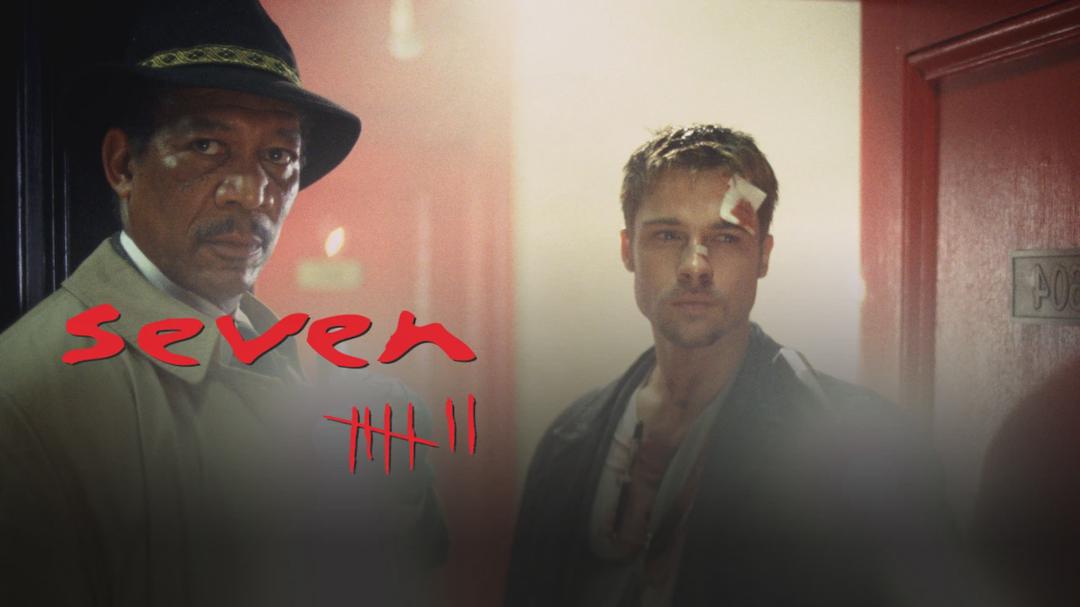
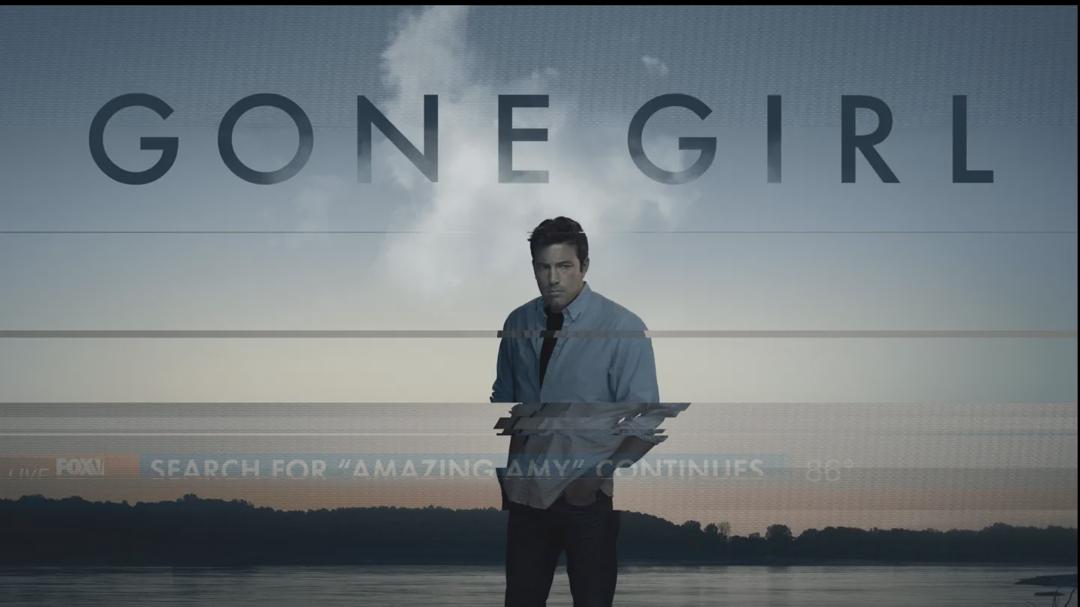
David Fincher directed Panic Room from a screenplay by David Koepp, whose script was inspired by real news coverage from 2000 about the growing trend of panic rooms in affluent homes. Fincher, already known for his meticulous visual style and psychological precision following Se7en and Fight Club, brought that same intensity to this contained thriller. The casting of Jodie Foster as Meg Altman was crucial—Foster's ability to convey both vulnerability and steely resolve made her the perfect anchor for a film that hinges almost entirely on her character's resourcefulness. Kristen Stewart, then a young actress on the cusp of wider recognition, played Sarah with a naturalism that grounds the film in genuine family dynamics rather than melodrama. The supporting cast—Forest Whitaker, Jared Leto, and Dwight Yoakam as the three thieves—brought distinct personalities to their roles, preventing them from becoming cardboard criminals.
The film earned an R rating and hit theaters in 2002 to considerable commercial success, grossing $96.4 million worldwide. While critics were divided (the film holds a 76% on Rotten Tomatoes and a Metascore of 65), audiences connected with its high-concept premise and execution. Panic Room received nine nominations and one win across various award bodies, though it didn't become an awards-season heavyweight. The runtime of 107 minutes keeps the tension taut without overstaying its welcome—a smart choice for a film that works best when you're never quite comfortable.
What Makes Panic Room Stand Out: Technical Mastery and Character Tension
What's striking is that Panic Room could've been a gimmick film—a one-trick pony about people trapped in a room. Instead, Fincher uses the confined space as a launching pad for exploring deeper themes about vulnerability, protection, and the bonds between parent and child. The film doesn't rely on jump scares or gore; it's a psychological thriller that understands that the real terror comes from helplessness and the slow realization that your greatest advantage might also be your greatest liability. Foster's performance carries the emotional weight here. She's not a superhero mom—she's diabetic, she's frightened, she makes mistakes, and she's forced to think her way through a nightmare with incomplete information and limited resources.
Fincher's visual approach is characteristically meticulous. The panic room itself becomes almost a character—sterile, secure, but also isolating and claustrophobic in ways that go beyond the physical. The cinematography emphasizes the contrast between the vulnerable spaces of the house and the fortress-like interior of the room, creating a visual metaphor for false security. What I keep coming back to is how the film refuses to let either side have clean victories. The burglars aren't incompetent thugs, and Meg isn't an action-movie heroine—they're people improvising under pressure, and that's what makes the tension feel earned rather than manufactured. Kristen Stewart's portrayal of Sarah adds another layer; the teenage daughter isn't a damsel but a participant in her own survival, which complicates the mother-daughter dynamic in ways the script explores with surprising nuance.
Where to Stream Panic Room Online
Panic Room is currently available to stream on Prime Video, making it accessible for viewers looking to experience Fincher's taut thriller from home. The film's 107-minute runtime makes it perfect for a single sitting—you won't want to pause anyway, given how effectively it maintains momentum throughout. Check the "Where to Watch" widget at the top of this page to confirm current availability on your preferred platform, as streaming rights shift regularly. If you're browsing Movie OTT for recommendations in the home-invasion or psychological-thriller genres, this 2002 classic remains a solid choice that holds up remarkably well on repeat viewings.
Frequently Asked Questions
Q: Who directed Panic Room?
David Fincher directed Panic Room. It was released in 2002 and marked another entry in Fincher's string of psychological thrillers, following Se7en and Fight Club.
Q: Is Panic Room based on a true story?
No, Panic Room is not based on a true story, though screenwriter David Koepp drew inspiration from real news coverage in 2000 about the growing prevalence of panic rooms in wealthy homes. The narrative itself is fictional.
Q: What's the runtime of Panic Room?
Panic Room runs for 107 minutes, a lean runtime that keeps the tension high without unnecessary padding.
Q: Is Panic Room appropriate for teenagers?
Panic Room is rated R, so it's intended for audiences 17 and older. The rating covers language, some violence, and thematic intensity rather than graphic content. Parents should consider their own teen's comfort level with psychological tension and home-invasion scenarios.
Q: Why did Panic Room receive mixed critical reviews despite its box office success?
While audiences embraced the high-concept premise and Fincher's technical execution, some critics found the film's thriller mechanics more engaging than its character development, or felt the confined-space premise limited narrative possibilities. That said, it holds a respectable 76% on Rotten Tomatoes and has found a more appreciative audience on repeat viewings over the years.
Final Thoughts on Panic Room
Panic Room remains a masterclass in tension and restraint—a film that trusts its premise and its audience's intelligence. It's not Fincher's most celebrated work, but that's partly because it refuses to be flashy or show-offy in the way some of his other films are. Instead, it's a clean, efficient thriller about survival, maternal protection, and the ways our defenses can become our prisons. If you're in the mood for smart, character-driven suspense that doesn't rely on explosions or elaborate set pieces, this one's worth your time. The performances anchor everything, and the claustrophobic setting becomes a character itself.