




The story of Pardonnez-moi: pregnancy, family, and the camera as weapon
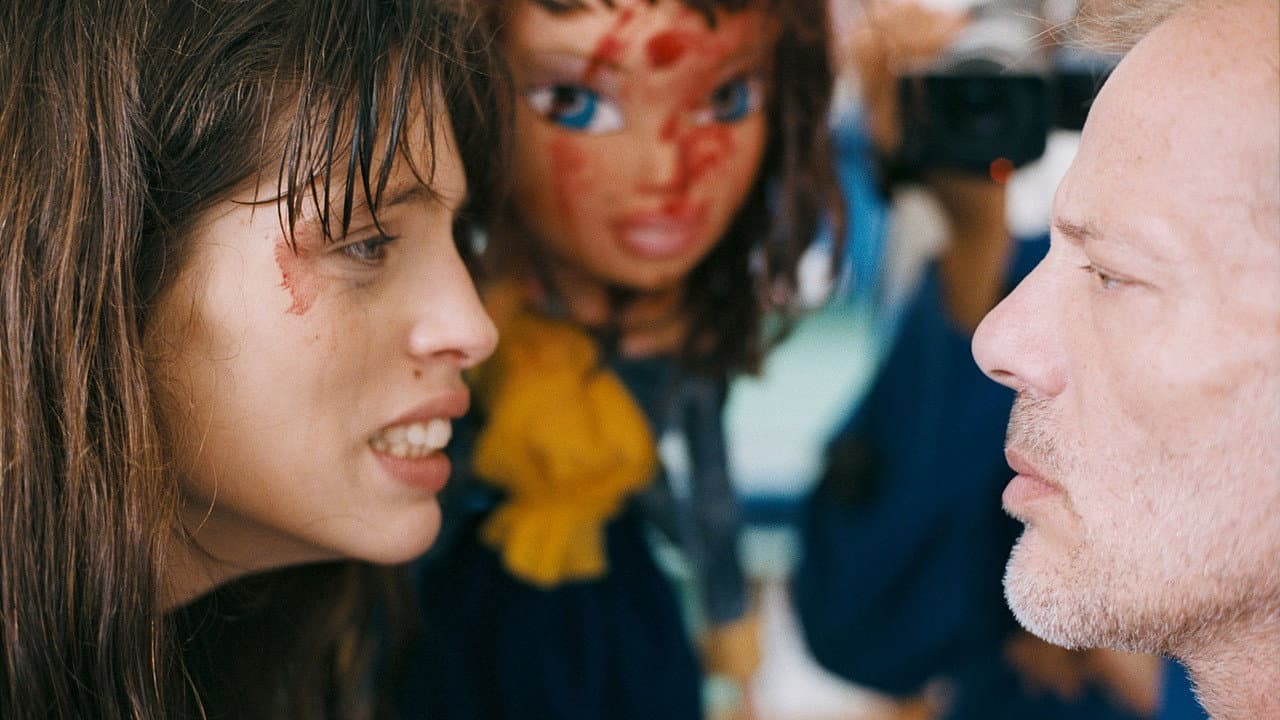
Pardonnez-moi (retitled Forgive Me for English-language audiences) centers on Violette, an actress expecting her first child who makes a fateful decision: she'll make a documentary about her own family. It's a deceptively simple premise that unravels into something far messier. As Violette points her handheld camera at her mother, father, and the accumulated resentments between them, the film becomes less about capturing truth and more about excavating it — sometimes brutally. The 88-minute runtime moves with the jagged rhythm of genuine family conflict, where conversations loop back on old wounds and nobody quite forgives anybody, at least not neatly. What starts as a creative project becomes an act of confrontation, and we're never entirely sure if Violette's documentary will heal or destroy what's left of her family bonds.
Behind the making of Pardonnez-moi: Maïwenn's ambitious debut
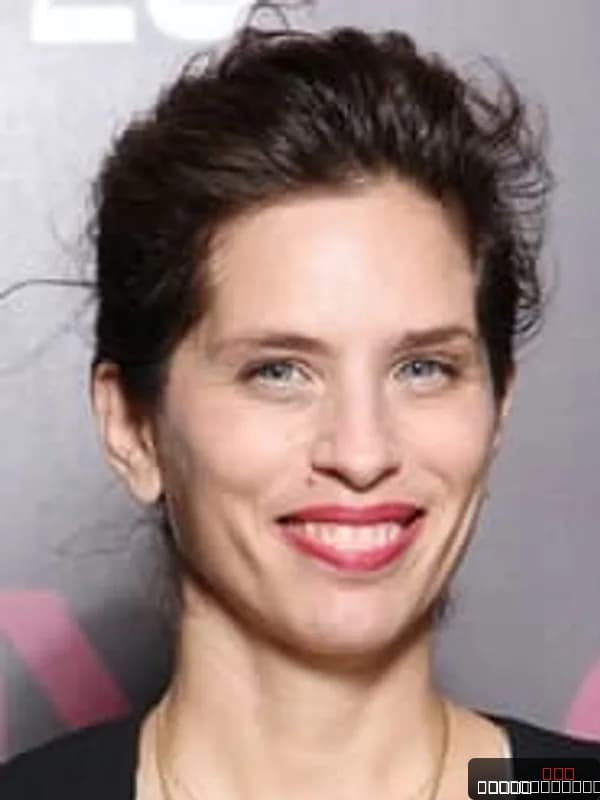
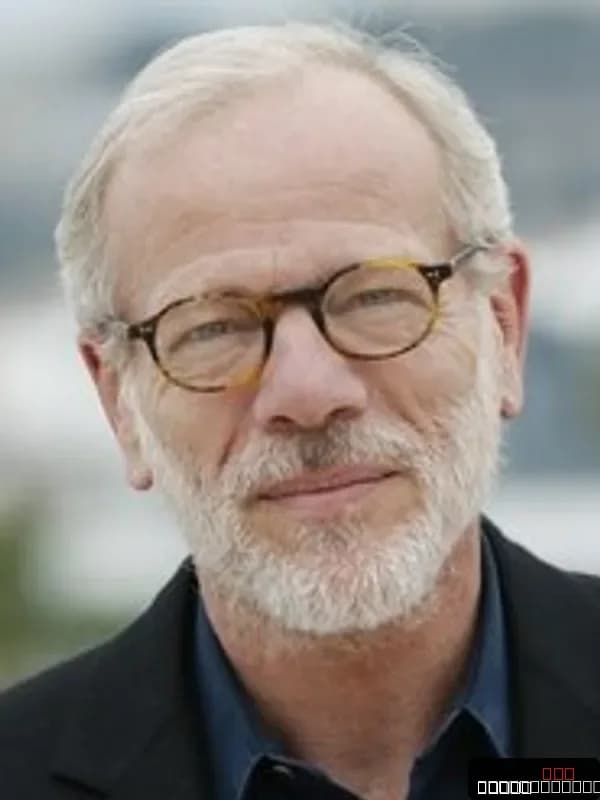
Pardonnez-moi marks the feature directorial debut of French filmmaker Maïwenn, who also wrote and starred in the film. The production came to immediate critical attention — in 2007, the film received two César Award nominations (France's equivalent to the Academy Awards), including Best First Feature Film and Most Promising Actress. That dual recognition speaks to both the ambition of Maïwenn's direction and the raw authenticity she brought to the lead role, playing a version of herself navigating real family dysfunction. The film's handheld, documentary-adjacent aesthetic wasn't a stylistic flourish but a deliberate choice that mirrors the psychological realism Maïwenn was chasing. By casting herself and working with actors like Pascal Greggory and Hélène de Fougerolles in roles that blurred fact and fiction, she created something that feels uncomfortably intimate — the kind of debut that announces a filmmaker uninterested in playing it safe. Movie OTT tracks where Pardonnez-moi streams today, making it easier to find this landmark French film among the thousands of titles competing for attention.
What makes Pardonnez-moi stand out: performance, form, and family dysfunction
What's striking about Pardonnez-moi is how it refuses the comfort of resolution. The film doesn't believe in tidy character arcs or cathartic confrontations where everyone learns something. Instead, it observes the father-daughter and mother-daughter relationships with an almost anthropological detachment — which makes the emotional moments hit harder precisely because they're surrounded by so much awkward silence and avoidance. Maïwenn's performance is deliberately unglamorous; she's not playing a heroine but a woman caught between her role as documentarian and her role as daughter, unable to fully inhabit either. The handheld camera work isn't just a formal choice — it's the entire point. That shaky, intimate perspective is what creates the film's tension, because we're never sure if the camera is capturing truth or creating drama, and neither is Violette. I keep coming back to scenes where the camera catches people being themselves when they think they're being filmed, a paradox that the film never resolves. The IMDb rating of 5.8/10 reflects the fact that Pardonnez-moi is the kind of film that divides viewers: some find it courageous and necessary, others find it self-indulgent or depressing, and that friction is exactly what makes it memorable.
Where to stream Pardonnez-moi online
Pardonnez-moi is available on major OTT services, and you can check the Where to Watch widget at the top of this page for current availability in your region. Streaming rights shift frequently, so if you're planning to watch, it's worth verifying which platform has it right now — Movie OTT's widget updates in real time to show you exactly where to find it. The film's 88-minute runtime makes it a manageable evening watch, though its emotional weight might linger longer than you'd expect. Whether you're exploring French cinema, interested in directorial debuts, or drawn to family dramas that don't offer easy answers, knowing where to access Pardonnez-moi is the first step.
Frequently asked questions
Q: Who directed Pardonnez-moi?
Maïwenn wrote, directed, and starred in the film. It was her feature directorial debut, and it earned her two César nominations in 2007, including recognition for Most Promising Actress for her performance in the lead role.
Q: What's the plot of Pardonnez-moi about?
The film follows Violette, an actress who decides to make a documentary about her dysfunctional family while preparing for the birth of her first child. As she films her parents and their relationship, family secrets and long-buried tensions surface, forcing uncomfortable truths into the open.
Q: Is Pardonnez-moi based on a true story?
The film blurs the line between documentary and fiction. While Maïwenn plays a character named Violette making a documentary, the film itself is a scripted narrative that uses the aesthetic and structure of documentary filmmaking to explore themes of family, identity, and the act of witnessing.
Q: How long is Pardonnez-moi?
The film runs 88 minutes, making it a compact but emotionally dense watch that doesn't overstay its welcome despite the heavy subject matter.
Q: Where can I watch Pardonnez-moi?
Pardonnez-moi is currently available on major OTT platforms. Check the Where to Watch widget on this page to see which services have it in your region right now.
Final thoughts on Pardonnez-moi: a film that stays with you
Pardonnez-moi isn't an easy film, and it doesn't pretend to be. It's a debut that announces Maïwenn as a filmmaker willing to expose raw family wounds on camera, to blur the boundary between performer and person, and to trust audiences to sit with discomfort. Not everyone will connect with it — and that's fine. But if you're looking for cinema that feels lived-in rather than constructed, that uses the handheld camera as a genuine artistic tool rather than a gimmick, Pardonnez-moi deserves your time. It's the kind of film that makes you reconsider your own family dynamics and wonder what truths you might be avoiding by not filming them.