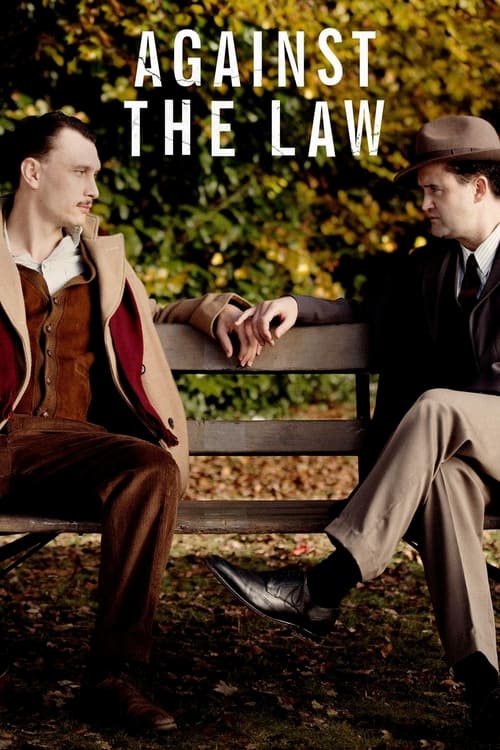
The story of Passchendaele and its unflinching look at WWI
Passchendaele tells the intersecting stories of three people caught in one of World War I's most devastating campaigns. The film follows Michael Dunne, a Canadian soldier grappling with trauma and disillusionment, as he navigates recruitment efforts, platoon dynamics, and the psychological weight of combat. Alongside him are a dedicated nurse trying to save lives and a naive young recruit learning what war actually costs. Set against the backdrop of the Third Battle of Ypres—also known as Passchendaele—the 114-minute drama weaves together romance, loss, and the raw human toll of trench warfare. What's striking is how the film refuses to make war look noble or clean. Instead, it shows you wounded soldiers, difficult choices, and the way trauma lingers long after the guns fall silent.
Behind the making of Passchendaele and Paul Gross's personal connection
Director, writer, co-producer, and star Paul Gross brought this story to life with a deeply personal motivation: his own grandfather served as a First World War soldier, and Gross drew on those family stories to craft the screenplay. Shooting took place across Calgary and Fort Macleod, Alberta, as well as on location in Belgium, lending authenticity to both the Canadian military experience and the European battlefields. The cast includes Caroline Dhavernas as the nurse, Joe Dinicol as the young soldier, and veteran character actors Gil Bellows and James Kot rounding out the ensemble. Rated R for violence and some language, the film earned 11 awards and 5 nominations across various festivals and ceremonies, signaling respect within the Canadian film industry. While box office figures weren't blockbuster-level, the film found its audience among war drama enthusiasts and those interested in lesser-known WWI narratives—particularly the Canadian perspective, which doesn't always get center stage in English-language cinema.
Why Passchendaele divides critics but captivates history buffs
The film sits at 36% on Rotten Tomatoes and 6.3/10 on IMDb, which tells you something important: it's a film that doesn't play it safe or try to please everyone. Critics have been mixed, which is often a sign that a movie's doing something unconventional. Here's what works: Gross's performance carries genuine weight—you believe he's a man broken by what he's seen, struggling to recruit others into the same meat grinder. The romance subplot, rather than feeling tacked-on, becomes a way to explore how soldiers cling to normalcy and connection when surrounded by death. The battle sequences don't glorify combat; they're muddy, chaotic, and exhausting to watch, which is precisely the point. What some viewers find frustrating is the film's uneven pacing and occasional melodrama—not every moment lands with the same power. But that's also what makes it human. Real life isn't perfectly paced. Real trauma isn't neatly resolved. If you're looking for a war film that treats its subject matter seriously and refuses to sanitize history, Passchendaele delivers that in spades.
Where to watch Passchendaele online right now
Passchendaele is currently available on Crave, the Canadian streaming service. If you're browsing Movie OTT, you'll find the "Where to Watch" widget at the top of this page showing you all the platforms carrying the film in your region—availability can shift, so it's worth checking there before you settle in. Crave's library includes a solid selection of Canadian cinema and international dramas, making it a natural home for Gross's film. The 114-minute runtime means it's a commitment, but it's the kind of film that rewards your attention rather than asking you to half-watch while scrolling your phone.
Frequently asked questions
Q: Who directed Passchendaele and why did he make it?
Paul Gross wrote, directed, co-produced, and starred in the film. He created it partly inspired by stories his grandfather shared about his own experiences as a First World War soldier, making it a deeply personal project for the filmmaker.
Q: Is Passchendaele based on a true story?
While the film isn't a strict biopic of one person, it's grounded in real history—the Battle of Passchendaele (Third Battle of Ypres) was a genuine WWI campaign. Gross drew on his grandfather's accounts to inform the characters and their experiences.
Q: What's the runtime and rating of Passchendaele?
The film runs 114 minutes and is rated R for violence and some language, making it appropriate for mature audiences interested in serious war drama.
Q: How did critics and audiences respond to Passchendaele?
The film earned 11 awards and 5 nominations, particularly within the Canadian film industry. However, critical reception was mixed—it holds a 36% on Rotten Tomatoes and 6.3/10 on IMDb, suggesting it's a polarizing film that appeals strongly to history enthusiasts and war drama fans while not connecting with all viewers.
Q: Where was Passchendaele filmed?
Production took place in Calgary and Fort Macleod, Alberta, as well as on location in Belgium, which helped ground the film's authenticity in both the Canadian military perspective and the actual European battlefields where the campaign occurred.
Final thoughts on whether Passchendaele is worth your time
Passchendaele isn't a crowd-pleaser, and that's kind of the point. It's a film made by someone who wanted to honor a specific piece of history and the people who lived through it—not to chase box office gold or critical consensus. If you're drawn to war dramas that prioritize character over spectacle, or if you're interested in how Canada's role in WWI gets depicted on screen, this deserves your attention. Movie OTT makes it easy to track where films like this are streaming, so you can find it when the mood strikes. Don't expect a feel-good experience. Do expect something that'll stay with you.