






The Story of People in Places
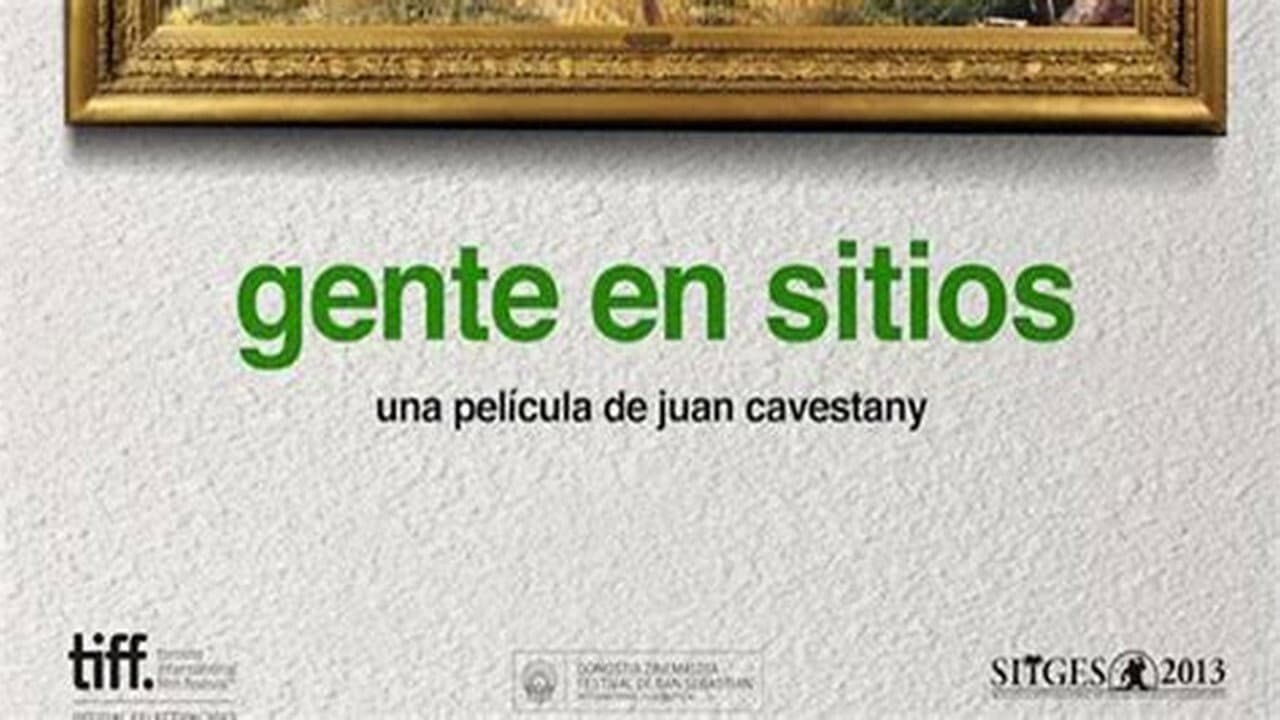
People in Places arrives as a puzzle box of a film—one that doesn't hand you the pieces in any sensible order. The 2013 Spanish production, with its deliberately cryptic tagline "All this was just a field before," constructs a fragmented view of contemporary Spain by following interconnected moments of strangeness, relationship breakdown, and the peculiar ways humans collide with one another. There's no traditional protagonist, no three-act structure waiting to deliver catharsis. Instead, you're dropped into scenes that feel like overheard conversations, half-remembered encounters, and the kinds of awkward silences that linger long after people leave a room. What emerges—slowly, unevenly—is less a plot than a mood: a meditation on how the human condition persists even when everything around it seems to be fragmenting.
Behind the Making of People in Places
People in Places emerged from a collaborative effort between Apaches Films, Canal+ España, JCPC, and TVE, the Spanish national broadcaster. The film's production credits signal a certain seriousness of intent—these weren't fly-by-night indie producers, but established entities willing to back something deliberately unconventional. At 78 minutes, it's lean and unpadded, which makes sense given the director's apparent commitment to stripping away narrative comfort. The film arrived in 2013, a year when Spanish cinema was still finding its footing after the financial crisis, and this particular project felt very much like a product of that moment—skeptical, a bit worn down, interested in surfaces and the alienation lurking beneath them. While it didn't generate significant box-office momentum or major award recognition in the traditional sense, the film has accumulated a devoted cult following among viewers who appreciate experimental narrative structures and aren't looking for easy answers.
What Makes People in Places Stand Out
Here's the thing: People in Places isn't trying to win you over with charm or conventional storytelling beats. What's striking is how it commits to its fragmentation without ever feeling like a gimmick. The performances anchor these scattered scenes—there's a quality of genuine discomfort and awkwardness that you can't fake, a sense that these actors are inhabiting real moments of human strangeness rather than hitting predetermined emotional marks. The film treats relationships not as narrative arcs but as ongoing collisions, places where two people meet and something indefinable happens that might be connection, might be misunderstanding, might be both at once. Critics have noted the film's willingness to sit in uncomfortable silences, to let scenes breathe in ways that contemporary cinema rarely permits. It's not that the film works as traditional drama—it doesn't. But that's precisely the point. By rejecting conventional structure, it captures something true about how we actually experience life: in fragments, in contradictions, in moments that don't resolve neatly. The IMDb rating of 4.95/10 reflects how divisive this approach can be; what one viewer experiences as profound authenticity, another experiences as tedium.
Where to Stream People in Places Online
If you're curious enough to take the plunge, People in Places is available on major OTT services—check the Where to Watch widget at the top of this page to see which platforms currently have it in your region. Movie OTT tracks streaming availability across services, so you can find exactly where to access it without hunting through multiple subscription apps. The film's modest runtime means it won't demand a massive time commitment; you can test-drive it in an evening and decide whether its particular brand of experimental storytelling speaks to you. Availability does shift seasonally, so if it's not on your preferred service today, it's worth bookmarking and checking back.
Frequently asked questions
Q: Is People in Places based on a true story?
No, it's a fictional work, though its fragmented approach to depicting contemporary Spanish life gives it a documentary-like quality at times. The film draws from observation of real human behavior rather than any specific true-crime or biographical narrative.
Q: Who directed People in Places?
The film was directed by a Spanish filmmaker working within the experimental cinema tradition, though it's worth noting that the production involved multiple creative voices across its production companies. The collaborative nature of the project shaped its unconventional structure.
Q: How long is People in Places?
The film runs 78 minutes, making it one of the shorter narrative features you'll encounter. That brevity works in its favor—there's no bloat, no subplot that overstays its welcome.
Q: What genre is People in Places?
It's classified as both comedy and drama, though neither label quite captures what's happening on screen. The humor is often uncomfortable and understated; the drama refuses traditional emotional payoffs. It's more accurate to call it an experimental character study.
Q: Why is the IMDb rating so low?
People in Places sits at 4.95/10 on IMDb, which reflects how polarizing its experimental approach can be. Viewers expecting conventional narrative satisfaction tend to rate it poorly, while those attuned to its wavelength find it genuinely rewarding. It's one of those films where the rating says more about audience expectations than about the film itself.
Final Thoughts on People in Places
People in Places isn't a film for passive viewing. It demands engagement, tolerance for ambiguity, and a willingness to sit with discomfort—both the characters' and your own. That's not a flaw; it's the entire point. If you're tired of streaming content that resolves everything neatly, that explains every motivation and ties every thread into a bow, this Spanish indie offers something genuinely different. It won't change your life. It might frustrate you. But there's real artistry in its refusal to compromise, and for viewers willing to meet it on its own terms, that's more than enough.