The Story of Phi Slama Jama's Rise in College Basketball
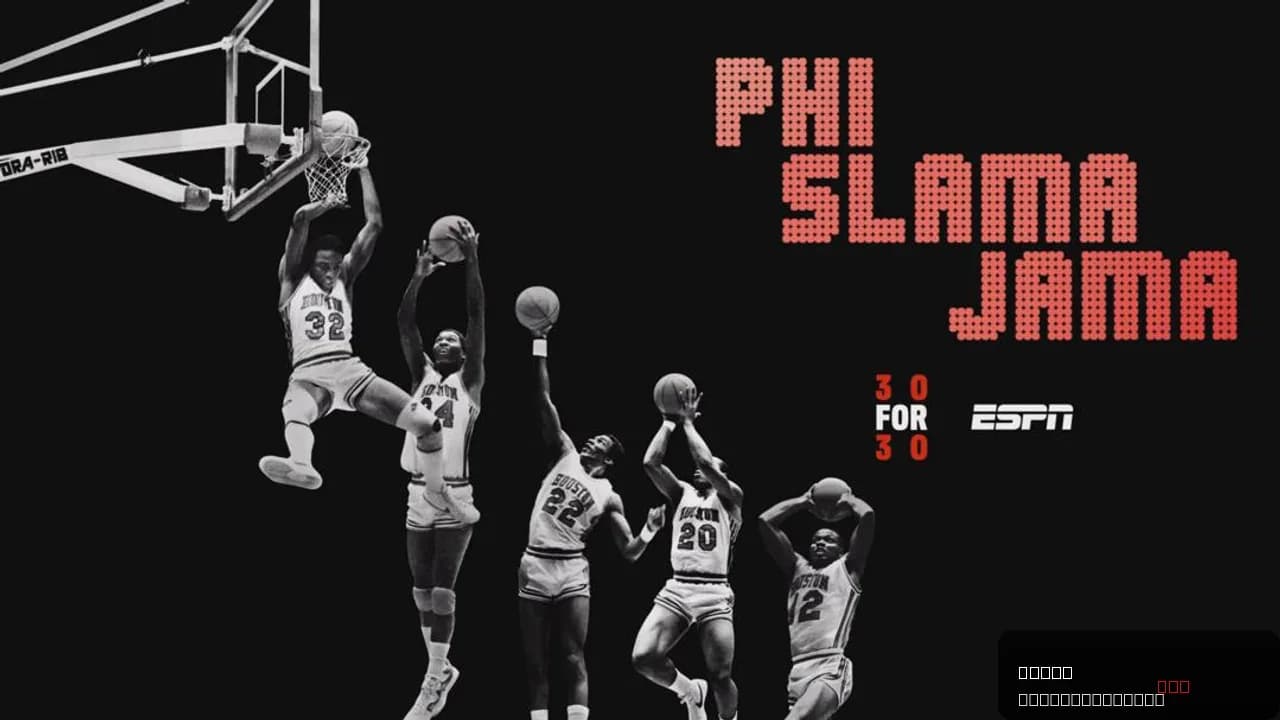
Phi Slama Jama wasn't just a nickname—it was a cultural moment. Between 1981 and 1984, the University of Houston's men's basketball team became the most dominant, most entertaining, and most talked-about squad in college sports. Director Chip Rives' 2016 documentary captures how a sportswriter's clever coinage became the identity of a generation-defining basketball program. What started as a catchy moniker quickly evolved into something bigger: a philosophy, a brand, a way of playing the game that'd never been seen before at the college level. The film follows how these Cougars—coached by Guy Lewis and anchored by two future NBA legends—turned the Houston campus into the epicenter of basketball innovation.
Behind the Making of Phi Slama Jama Documentary
Chip Rives directed this 78-minute documentary with access to the people who lived it. The cast includes Clyde Drexler and Hakeem Olajuwon themselves—two names that'd later define NBA basketball for decades—alongside Coach Guy Lewis and Benny Anders, who were instrumental to the program's success. What's striking is that Rives got these figures to sit down and reflect on what made those teams tick, not just the highlight-reel dunks but the mentality behind them. The documentary arrived in 2016, more than three decades after the peak of Phi Slama Jama, which gave it an interesting vantage point: enough distance to see the legacy clearly, but close enough that the participants could still recall the raw energy of it all. The film doesn't claim major awards or theatrical box office success—it's a focused, straightforward sports documentary—but that's almost the point. There's no bloat here, no unnecessary dramatization. It's built for people who want to understand one specific moment in basketball history, told by the people who created it.
What Makes Phi Slama Jama Stand Out as a Sports Documentary
Honestly, the thing that works about this documentary is its specificity. Rather than trying to be a sweeping history of college basketball or the 1980s, it stays locked on one program, one era, one style of play. The Houston Cougars' approach—explosive fast breaks, relentless dunking, a pace that wore opponents down—was genuinely revolutionary for college basketball at that moment. You'll find yourself rewatching clips from the 1983 NCAA semifinal between No. 1 Houston and No. 2 Louisville, a game that's since been recognized as one of the 100 greatest basketball moments of the 20th century. The documentary doesn't oversell it; it lets the footage speak. What's also notable is how the film captures the personality of these teams. They weren't just talented—they had swagger. They had an identity so strong that the University of Houston actually trademarked the name Phi Slama Jama. The interviews feel genuine, not polished, which is rare in sports documentaries. When Drexler or Olajuwon talk about those years, you're hearing from players reflecting on a time when they were changing the sport, and that kind of authority can't be faked.
The documentary doesn't shy away from the fact that, despite three consecutive NCAA Final Four appearances in 1982, 1983, and 1984, the Cougars never won a national championship. That's actually what makes it compelling—it's not a victory lap. It's a meditation on excellence that fell just short, on a team that was so dominant in style and execution that the lack of a title almost feels beside the point. Movie OTT helps you track where documentaries like this land across streaming platforms, because sports docs can be scattered across services depending on licensing and availability.
Where to Stream Phi Slama Jama Online
If you're looking to watch Phi Slama Jama, you'll find it on Disney+. The documentary's relatively short runtime—just 78 minutes—makes it perfect for a single sitting, whether you're a die-hard college basketball fan or someone curious about a specific moment in sports history. Check the Where to Watch widget at the top of this page for current availability and any platform changes. Streaming availability can shift, so Movie OTT tracks these changes in real time to save you the hunting. For fans of sports documentaries, having it on a major platform like Disney+ means it's accessible without hunting through specialty services or paying for rental fees.
Frequently asked questions
Q: Who directed Phi Slama Jama?
Chip Rives directed the documentary, which was released in 2016. He secured interviews with the key figures from the Houston Cougars program, including the players and coaching staff who made those teams legendary.
Q: Is Phi Slama Jama based on a true story?
Yes—it's a documentary about a real college basketball program. The Houston Cougars' Phi Slama Jama era (1981–1984) actually happened, and the film features firsthand accounts from Hakeem Olajuwon, Clyde Drexler, and Coach Guy Lewis.
Q: How long is the Phi Slama Jama documentary?
The film runs 78 minutes, making it a concise look at one of college basketball's most exciting eras without unnecessary padding.
Q: Did the Phi Slama Jama teams win a national championship?
No. Despite three consecutive NCAA Final Four appearances (1982, 1983, 1984), the Houston Cougars never won a national title during this period. The 1983 semifinal against Louisville is considered one of the greatest college basketball games ever played.
Q: What does "Phi Slama Jama" mean?
It was a nickname coined by Houston Post sportswriter Thomas Bonk in the early 1980s, playing on the Greek letter "Phi" and the word "slam" (as in slam dunk). The name stuck so well that the University of Houston eventually trademarked it.
Final Thoughts on Phi Slama Jama
Phi Slama Jama isn't going to blow your mind with production value or cinematic ambition. What it does is give you a straight, honest look at a basketball program that mattered—one that changed how the college game was played and watched. The interviews are genuine, the footage is compelling, and the story doesn't need embellishment. If you care about basketball history, about the specific moment when dunking became a philosophy rather than just a highlight, this is worth your time. Even if you're not a basketball obsessive, there's something worth seeing here about excellence, about a group of talented people doing something nobody else was doing at that moment. Stream it on Disney+ and spend 78 minutes with one of college basketball's most electrifying eras.