

The Story of Pinocchio (2009)
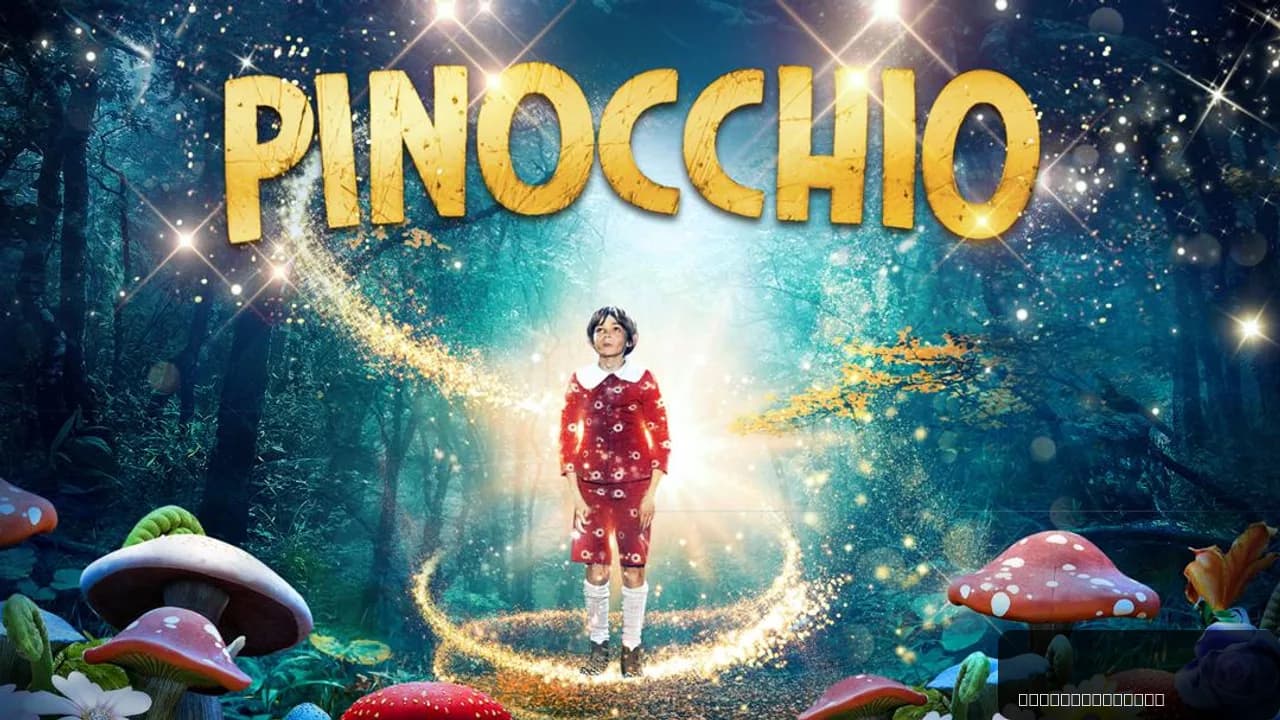
Alberto Sironi's 2009 adaptation of Pinocchio strips the fairy tale of its saccharine coating and replants it in something closer to reality—or at least, a reality that feels earned rather than magical. The film follows a wooden puppet carved by Geppetto, a poor carpenter, who dreams of becoming a real boy. But this isn't the Disney version where wishes upon stars do the heavy lifting. Here, the journey toward humanity is messy, uncertain, and deeply rooted in the relationship between creator and creation. The puppet's transformation isn't a reward for good behavior; it's the hard-won consequence of love, sacrifice, and learning what it means to belong to someone. At 178 minutes, the film takes its time, letting scenes breathe in ways that invite reflection rather than passive consumption.
How Pinocchio (2009) Came Together: Production and Cast
Sironi brought together an impressive ensemble cast that speaks to the film's ambitions beyond children's entertainment. Bob Hoskins—the veteran British actor known for his intensity and humanity—plays Geppetto with a gravitas that grounds the entire narrative. Robbie Kay, then an emerging young performer, carries the role of Pinocchio itself, supported by an international cast including Luciana Littizzetto, Margherita Buy, Violante Placido, Thomas Brodie-Sangster, and Toni Bertorelli. The production was a co-venture between Italy and the United Kingdom, reflecting the story's European roots and the desire to create something that honored Carlo Collodi's 1881 novel while pushing beyond it.
The film's budget and box-office performance remain modest compared to major studio productions—it never achieved mainstream theatrical dominance in most markets. However, its runtime of nearly three hours signals Sironi's commitment to character development over spectacle. There's no CGI-driven transformation sequence here; the becoming is psychological and relational. Awards recognition was limited, and the film carries a 5.6 rating on IMDb, suggesting a divided audience—some viewers appreciate its ambition and willingness to darken source material, while others find its pacing and tonal shifts challenging. It's the kind of film that doesn't try to please everyone, which is precisely what makes it worth seeking out.
What Makes Pinocchio (2009) Stand Apart from Other Adaptations
What's striking about Sironi's approach is his refusal to treat the puppet-to-boy transformation as a simple moral lesson. The film doesn't hinge on Pinocchio learning to be "good" in a Sunday-school sense; instead, it grapples with loneliness, the yearning to be seen and loved, and the terror of abandonment. Hoskins brings a quiet desperation to Geppetto—this isn't a jolly woodcarver, but a man so isolated by poverty and grief that he's carved a companion out of wood because flesh-and-blood companionship has eluded him. That's the emotional core, and it's devastating.
The performances ground what could otherwise feel like a fairy tale in something closer to social realism. You'll notice how little the film relies on magical spectacle; when fantastical moments do occur, they're treated matter-of-factly, almost as if the world has simply decided to bend for these two characters because their need is so great. Brodie-Sangster and the supporting cast provide texture—moments of cruelty, indifference, and kindness that reflect how the wider world treats outsiders. I keep coming back to a scene where Pinocchio encounters other children; there's no whimsy, just the raw awkwardness of difference and exclusion. That's the film's real subject: not magic, but the human cost of being other.
If you're tracking where to watch films like this—ones that take creative risks and don't fit neatly into genre categories—Movie OTT is a useful resource for finding unconventional international cinema. The site aggregates streaming availability across multiple platforms, so you can discover where lesser-known adaptations and art-house productions actually live in your region.
Where to Stream Pinocchio (2009) Online
Pinocchio is currently available on Prime Video, making it accessible to subscribers of Amazon's streaming service. Given the film's European origin and modest theatrical footprint, it's primarily found through streaming platforms rather than physical media or broadcast television in most territories. The "Where to Watch" widget at the top of this page shows current availability across all major services, so you can confirm whether it's still streaming in your country before you click. Streaming rights shift frequently, especially for international films, so checking Movie OTT's real-time platform tracking before you settle in is worth the thirty seconds it takes.
Frequently asked questions
Q: Is this Pinocchio the same story as the Disney version?
No. While both are based on Carlo Collodi's 1881 novel, Sironi's 2009 film is darker and more grounded. There's no Blue Fairy, no theme park songs—just a carpenter and his wooden puppet trying to find their way toward each other.
Q: Who directed Pinocchio (2009)?
Alberto Sironi directed this adaptation. He's an Italian filmmaker known for bringing a realistic sensibility to potentially fantastical material.
Q: How long is the film?
At 178 minutes, it's nearly three hours. That runtime isn't padding; Sironi uses the time to develop character and atmosphere rather than plot mechanics.
Q: Where can I watch Pinocchio (2009)?
The film is available on Prime Video. Check the "Where to Watch" widget on this page for the most current availability in your region.
Q: Is Pinocchio (2009) appropriate for children?
While based on a children's story, this version is more dramatic and emotionally complex than typical family fare. It's better suited to older children and adults who appreciate character-driven storytelling.
Should You Watch Pinocchio (2009)?
If you're drawn to adaptations that interrogate their source material rather than simply retell it, Pinocchio (2009) deserves your time. Don't expect whimsy or easy answers. What you'll get instead is a meditation on loneliness, love, and the transformative power of being truly seen by another person. Hoskins and Kay carry the weight of that exploration beautifully. It's a film that trusts its audience to sit with discomfort and ambiguity—rare qualities in contemporary cinema.