
The Story of Poetry and Its Unlikely Protagonist
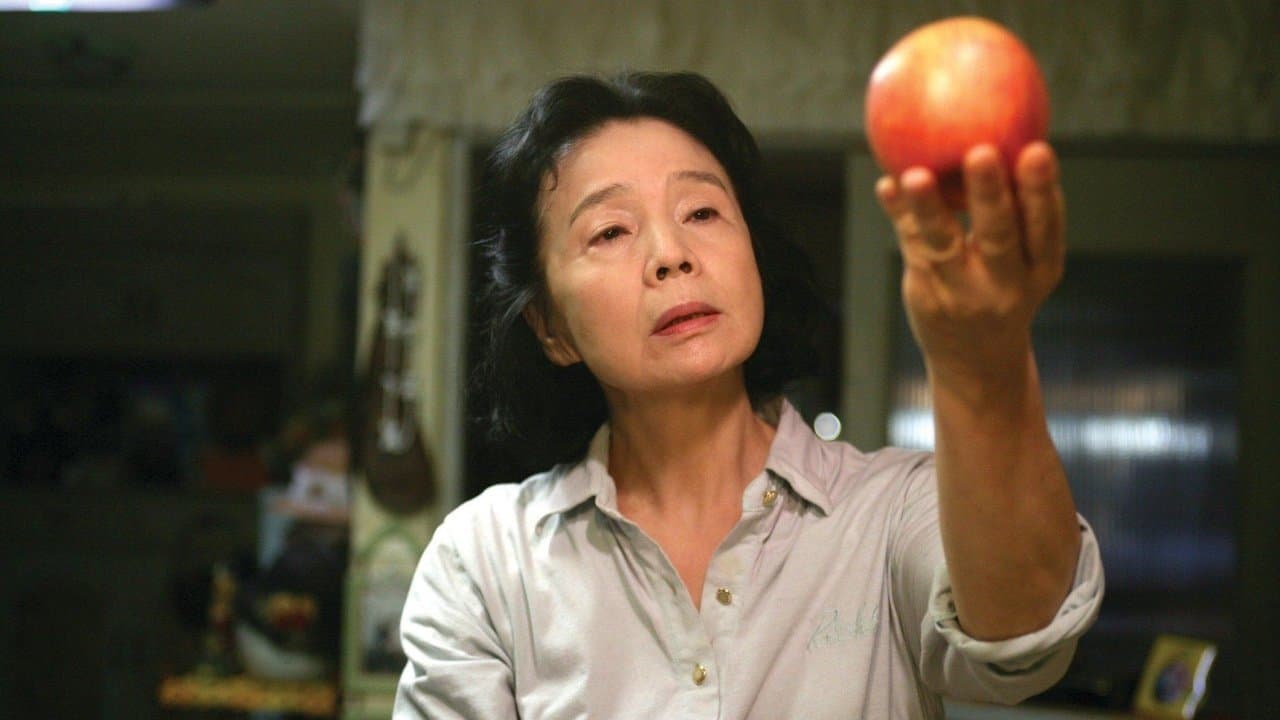
Poetry tells the story of Mija, a woman in her sixties living a quiet, unremarkable life in suburban South Korea. She's struggling with memory loss—the early stages of Alzheimer's, though the film never announces it with clinical precision—and she's raising her irresponsible grandson after his parents have largely abandoned him. One day, she enrolls in a poetry class at a local community center, hoping maybe, just maybe, to find some meaning in the fog that's slowly consuming her mind. It's a small decision. Deceptively small. But what unfolds is anything but a gentle story about artistic awakening. Instead, director Lee Chang-dong uses poetry—the search for it, the struggle to understand it—as a lens through which to examine complicity, guilt, and the impossible weight of protecting someone you love even when they've done the unforgivable.
Behind the Making of Poetry and Its Cannes Triumph
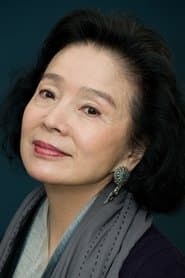
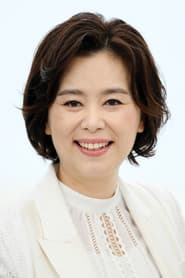
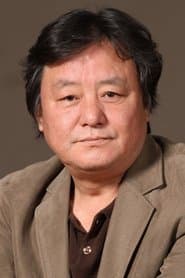
Lee Chang-dong wrote and directed Poetry as his third feature film, and it's a work of remarkable restraint and moral complexity. The film premiered at the 2010 Cannes Film Festival in the main competition and won the Best Screenplay Award—a recognition that speaks to the script's intricate, understated power. The production was helmed by UniKorea Pictures and Pinehouse Film, and the 139-minute runtime allows Lee to move deliberately through Mija's world without rushing toward easy answers. What's particularly striking is that the lead role went to Yoon Jeong-hee, a veteran actress making her first film appearance in sixteen years after 1994. That casting choice—bringing back an established performer rather than opting for a younger, more conventionally bankable name—signals Lee's commitment to authenticity and depth. The film went on to win the Grand Bell Award for Best Picture and Best Actress, the Blue Dragon Film Award for Best Actress, and the Los Angeles Film Critics Association Award for Best Actress. It's the kind of festival circuit success that doesn't always translate to mainstream awareness, but the accolades kept coming: the Asia Pacific Screen Award for Achievement in Directing and Best Performance by an Actress rounded out a remarkable run.
Why Poetry Lingers Long After the Credits Roll
What makes Poetry stand out isn't that it's a film about poetry—it's that Lee understands how art functions as a refuge and a mirror simultaneously. Yoon Jeong-hee's performance is quietly devastating. She doesn't play Mija as a saint or a victim; she plays her as someone trying to hold onto herself while the world (and her own mind) shifts beneath her feet. There's a scene early on where Mija sits in her poetry class, struggling to understand a line about spring, and you see the frustration and determination warring on her face—it's a small moment, but it's the emotional core of everything that follows. The thing nobody mentions is how the film refuses to sentimentalize either Alzheimer's or the moral crisis at the story's center. It doesn't give you the catharsis you might want. Instead, it asks uncomfortable questions about what we owe to others, what we're willing to overlook, and whether art—whether beauty—can redeem us when we've compromised our own conscience. The cinematography is understated, almost mundane, which makes the rare moments of genuine beauty—a river, a field of cosmos flowers—hit harder. You won't find sweeping orchestral scores here. There's restraint in every frame, and that restraint is what makes the film's emotional weight so crushing.
Where to Stream Poetry Online
Poetry is available on major OTT streaming services, and Movie OTT tracks current availability across platforms to help you find exactly where it's streaming right now. The film's 139-minute runtime means you'll want to set aside time for an uninterrupted viewing—this isn't something that works well as background noise or a half-watched distraction. Check the Where to Watch widget at the top of this page for up-to-date platform information in your region, as streaming rights shift frequently. If you're serious about Korean cinema or contemporary drama, this is absolutely worth hunting down wherever it's currently available.
Frequently asked questions
Q: Who directed Poetry?
Lee Chang-dong wrote and directed Poetry in 2010. It was his third feature film and won the Best Screenplay Award at the Cannes Film Festival, establishing him as one of South Korea's most important contemporary filmmakers.
Q: Is Poetry based on a true story?
No, Poetry is a fictional work written by Lee Chang-dong. However, it explores universal themes—memory loss, moral responsibility, family obligation—that feel deeply rooted in lived experience, which is part of why it resonates so powerfully.
Q: Who stars in Poetry?
Yoon Jeong-hee plays the lead role of Mija, marking her return to cinema after a 16-year absence. Her performance earned her multiple awards including the Grand Bell Award and the Blue Dragon Film Award for Best Actress.
Q: What's the runtime of Poetry?
The film runs 139 minutes, giving director Lee Chang-dong ample time to develop his characters and explore the moral ambiguities at the story's heart without feeling rushed.
Q: Did Poetry win any major awards?
Yes. Beyond the Best Screenplay Award at Cannes, Poetry won the Grand Bell Award for Best Picture and Best Actress, the Blue Dragon Film Award for Best Actress, the Los Angeles Film Critics Association Award for Best Actress, and the Asia Pacific Screen Award for Achievement in Directing and Best Performance by an Actress.
Final Thoughts on Poetry
Poetry isn't an easy watch, and it's not trying to be. It's a film that trusts its audience to sit with discomfort, to resist easy moral judgments, and to find meaning in the margins—in a line of verse half-remembered, in a moment of connection between two people who've both failed each other. If you're looking for something that'll challenge how you think about guilt, complicity, and grace, this is it. It's the kind of film that stays with you not because it provides answers, but because it asks the right questions.