
The story of Secret Sunshine: loss, displacement, and spiritual collapse
Secret Sunshine follows Shin-ae, a woman trying to rebuild her life in Miryang, a quiet South Korean city where her late husband once lived. She arrives as a stranger—someone trying to settle into an unfamiliar place, to find footing in the ordinary rhythms of small-town life. But nothing here feels ordinary to her. The normalcy everyone else accepts feels suffocating, almost cruel. Then, in a moment that fractures everything, tragedy strikes again. What happens next isn't a slow fade into acceptance. Instead, Shin-ae turns to Christianity, seeking refuge in faith, believing that God might offer the solace she can't find anywhere else. That's where the film's true subject emerges—not the loss itself, but what happens when even that spiritual lifeline is denied her.
Behind the making of Secret Sunshine: awards, box office, and Jeon Do-yeon's career-defining performance
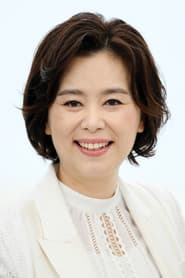
Lee Chang-dong wrote and directed Secret Sunshine in 2007, adapting it from a short story called "The Abject" by Lee Cheong-jun. The film was produced by Cinema Service, Pinehouse Film, and CJ Entertainment, anchoring what would become one of the most celebrated Korean films of the decade. At the 2007 Cannes Film Festival, lead actress Jeon Do-yeon took home the Prix d'interprétation féminine—a recognition that launched her into international prominence. The film didn't just win festival accolades; it dominated awards season, claiming Best Film at both the Asian Film Awards and the Asia Pacific Screen Awards. Back home in South Korea, audiences responded with their wallets: Secret Sunshine sold 1,710,364 tickets, a commercial success that proved Lee Chang-dong's unflinching vision had genuine mass appeal. The 143-minute runtime might seem daunting, but every minute earns its place. If you're tracking where this film's currently available, Movie OTT aggregates all the major streaming platforms carrying it, so you can find it without hunting.
What makes Secret Sunshine stand out: the weight of accumulated suffering
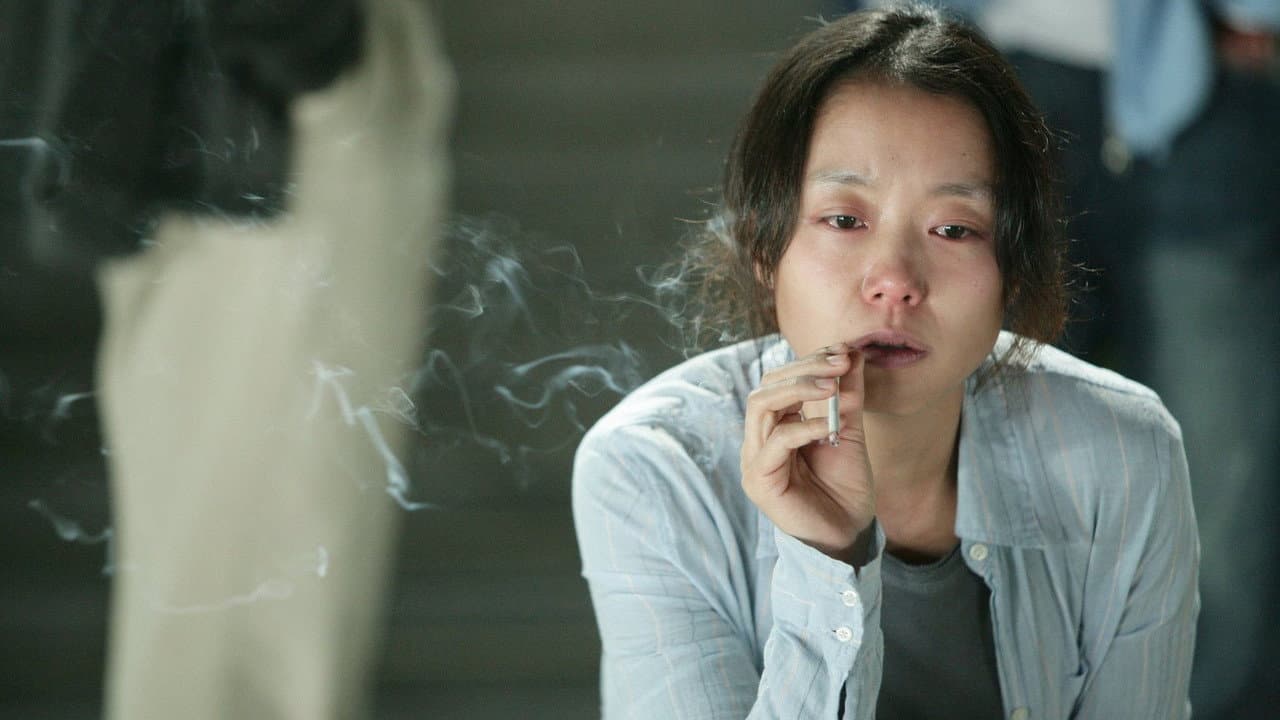
What's striking about Secret Sunshine is how it refuses easy catharsis. This isn't a film about finding your way back to normalcy or learning a lesson. It's about watching someone's interior world collapse—slowly, then all at once. Jeon Do-yeon's performance is the film's backbone; she carries the entire emotional weight without ever telegraphing what she's feeling. There's a scene where Shin-ae confronts the man responsible for her tragedy, and the camera stays on her face as she processes something that can't be processed. Rage, forgiveness, resignation—they all flicker across her features in ways that feel almost unbearably real. Lee Chang-dong's direction never looks away. He films Miryang with a kind of muted beauty, all gray skies and modest streets, and that visual restraint makes Shin-ae's internal torment feel even more isolated. The screenplay—based on a short story, remember—expands the original material into something that breathes, that lets silence do as much work as dialogue. I keep coming back to how the film treats faith not as a plot device but as a genuine, complicated wrestling match. Shin-ae doesn't lose her religion in a moment of enlightenment. She loses it gradually, the way you might lose your grip on something you're holding with all your strength, realizing that even your strongest grip isn't enough.
Where to stream Secret Sunshine online
Secret Sunshine is available on major OTT services, and the "Where to Watch" widget at the top of this page will show you exactly which platforms currently carry it in your region. Streaming availability shifts, so rather than listing specific services here (which could be outdated), Movie OTT keeps that information live and up-to-date across Netflix, Prime Video, Hotstar, and other platforms. Since the film runs 143 minutes, you'll want to carve out a solid evening—this isn't something to half-watch while scrolling. The pacing rewards your full attention.
Frequently asked questions
Q: Who directed Secret Sunshine?
Lee Chang-dong wrote and directed the film. He's known for his introspective, character-driven approach to drama, and Secret Sunshine stands as one of his most celebrated works.
Q: Did Secret Sunshine win any major awards?
Yes. Jeon Do-yeon won the Prix d'interprétation féminine (Best Actress) at the 2007 Cannes Film Festival, and the film also won Best Film at the Asian Film Awards and the Asia Pacific Screen Awards.
Q: Is Secret Sunshine based on a true story?
No, it's a fictional adaptation of a short story called "The Abject" by Lee Cheong-jun, though the emotional and spiritual questions it explores feel deeply rooted in lived experience.
Q: How long is Secret Sunshine?
The film runs 143 minutes, so it's a substantial commitment—but one that pays off if you're willing to sit with its slow-burn emotional intensity.
Q: What's the Korean title, and why is it called Secret Sunshine in English?
The original Korean title is Miryang, named after the city where the story is set and where it was filmed. "Secret Sunshine" is the literal English translation of the film's thematic meaning.
Final thoughts on Secret Sunshine
Secret Sunshine isn't a film that leaves you feeling uplifted or resolved. It leaves you hollowed out—in the best possible way. What Lee Chang-dong has made is a portrait of someone pushed to the absolute edge of human endurance, and he doesn't look away. Jeon Do-yeon's performance alone makes it essential viewing, but the film's real power lies in its refusal to offer easy answers about faith, forgiveness, or the meaning of suffering. If you're looking for something genuinely challenging, something that'll sit with you long after the credits roll, Secret Sunshine deserves your time.