The story of Pretty Baby
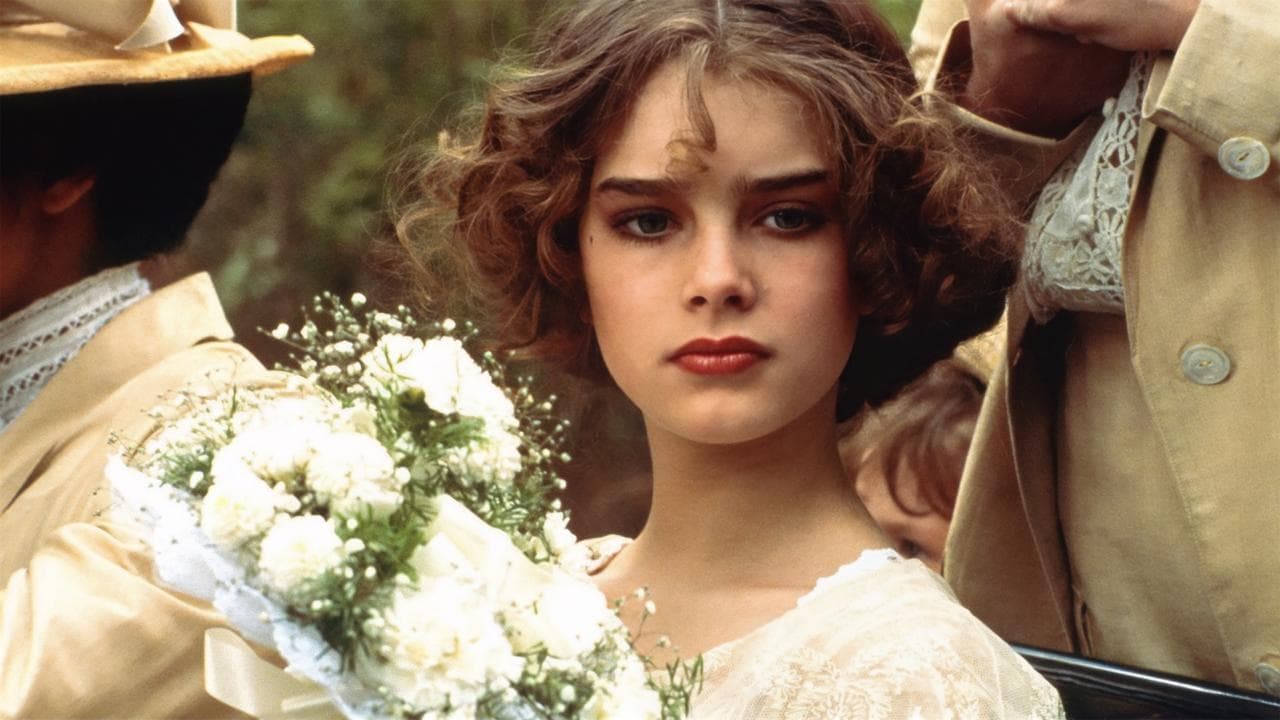
Pretty Baby transports viewers to 1917 New Orleans, specifically the notorious Storyville district, where the film's central character — a 12-year-old girl — navigates a world of adult vice and moral compromise. Raised by her prostitute mother within the walls of a brothel, she exists in a space where childhood innocence collides brutally with the realities of sex work, poverty, and survival. The tagline says it best: "The image of an adult world seen through a child's eyes." Director Louis Malle uses this vantage point not for exploitation, but as a lens through which to examine systemic dehumanization. The girl's perspective forces viewers to confront uncomfortable truths about how society has historically discarded its most vulnerable members.
Behind the making of Pretty Baby
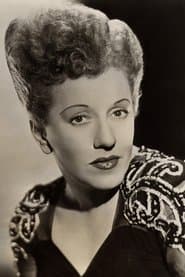
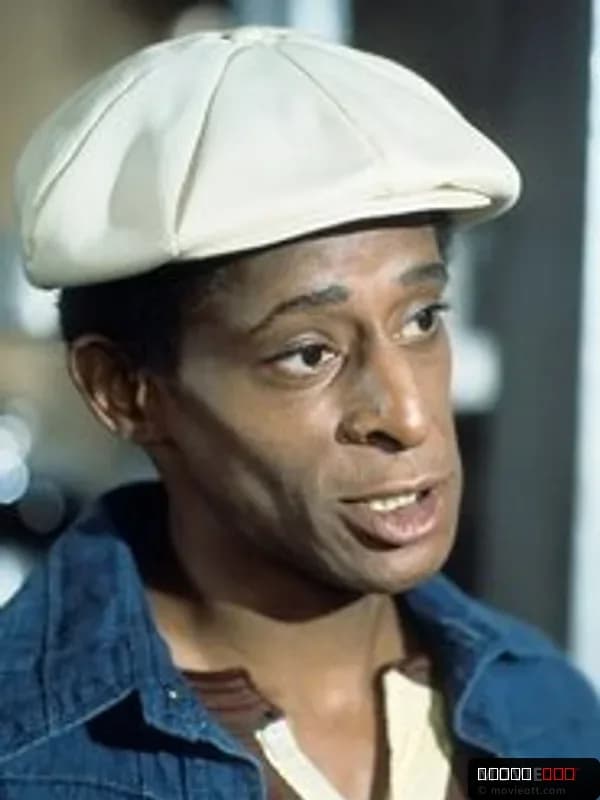
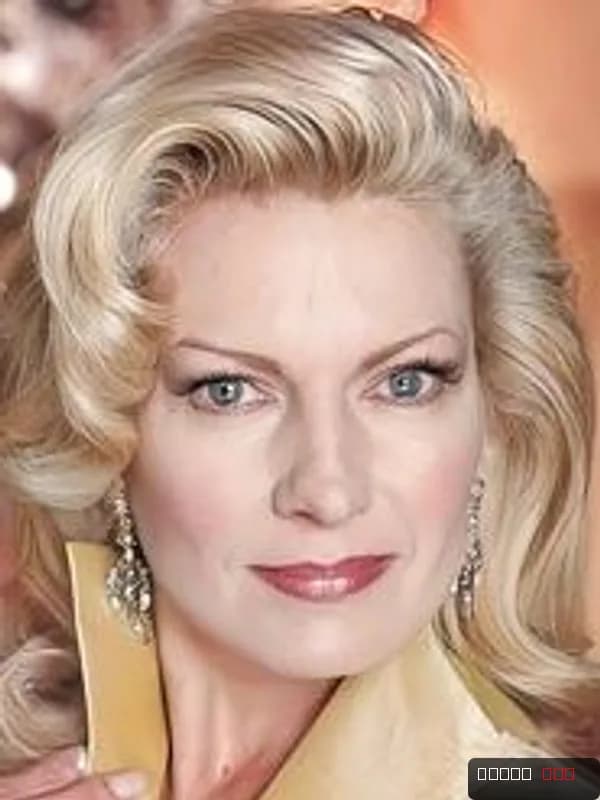
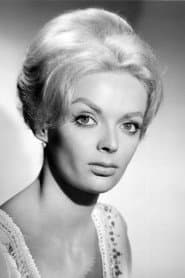
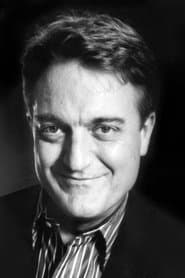
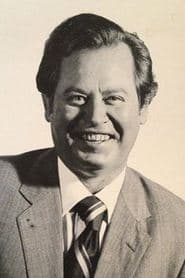
Louis Malle, the French New Wave filmmaker known for his fearless approach to controversial material, directed Pretty Baby from a screenplay by Polly Platt. The film draws its narrative from historian Al Rose's 1974 book Storyville, New Orleans: Being an Authentic Illustrated Account of the Notorious Red-Light District, as well as the real-life photographs of Ernest Bellocq, who documented New Orleans prostitutes in the early 20th century. Paramount Pictures greenlit the project despite its subject matter — a decision that would spark both critical acclaim and lasting controversy. The ensemble cast included Keith Carradine, Susan Sarandon, Barbara Steele, Diana Scarwid, and Antonio Fargas, all of whom brought depth to a world of moral ambiguity. Brooke Shields, then a young actress, became the film's emotional anchor, delivering a performance that remains unsettling and authentic even decades later. The 110-minute runtime gives Malle space to linger on moments of quiet dread, refusing easy sentiment. The film's soundtrack features the Tony Jackson song "Pretty Baby," which grounds the narrative in period authenticity.
What makes Pretty Baby stand out
Here's the thing about Pretty Baby: it refuses to make its subject matter palatable. Critics and audiences have grappled with Malle's decision to present Storyville without romance or redemptive arc — the film doesn't soften the edges for comfort. What's striking is how the performances anchor the story's emotional weight. Shields inhabits her role with a kind of resigned awareness that's deeply unsettling; Sarandon brings maternal complexity to a woman trapped by circumstance; Carradine embodies the photographer drawn to document rather than help. The film operates as both historical record and moral indictment, examining how institutions and individuals conspire to normalize the exploitation of children. Some viewers find this approach tedious — one reviewer noted the film "sucked all the excitement out of the story in an effort to make it artistic" — but that restraint is precisely Malle's point. He's not interested in melodrama. He's interested in how systems perpetuate harm, how complicity becomes invisible, how a child learns to survive in a world that doesn't see her as human. The cinematography captures Storyville's decay with unflinching clarity, and the pacing, while deliberate, mirrors the girl's own sense of time moving without progress or hope.
Where to stream Pretty Baby online
Pretty Baby is available on major OTT services, making it accessible to viewers interested in exploring this challenging piece of cinema history. Rather than guess which platform carries it in your region, Movie OTT maintains a current, searchable database of where this title streams — no more hunting across five different apps. The "Where to Watch" widget at the top of this page shows every platform currently offering Pretty Baby, updated regularly so you're never chasing dead links. Given the film's runtime of 110 minutes and its slow-burn narrative style, you'll want to carve out uninterrupted viewing time. This isn't a film to half-watch while scrolling; it demands your attention.
Frequently asked questions
Q: Is Pretty Baby based on a true story?
Yes. The film draws from historian Al Rose's 1974 book about New Orleans' Storyville district and the real-life photographs of Ernest Bellocq, who documented prostitutes in the early 20th century. The narrative captures the historical reality of child exploitation in that era.
Q: Who directed Pretty Baby?
Louis Malle, the acclaimed French New Wave filmmaker, directed the film from a screenplay by Polly Platt. Malle was known for tackling controversial subjects without sensationalism.
Q: What is the IMDb rating for Pretty Baby?
Pretty Baby holds a 6.994/10 rating on IMDb, reflecting the film's divisive nature — some viewers praise its unflinching honesty, while others find its pacing and subject matter difficult to engage with.
Q: Why is Pretty Baby controversial?
The film's decision to center a 12-year-old character within a brothel setting, combined with its refusal to provide moral comfort or redemptive narrative, has sparked ongoing debate about artistic responsibility and exploitation. Malle's detached approach — treating the material as historical documentation rather than tragedy — remains polarizing.
Q: How long is Pretty Baby?
The film runs 110 minutes, giving Malle ample time to build atmosphere and explore the moral complexities of his setting without rushing toward resolution.
Final thoughts on Pretty Baby
Pretty Baby isn't an easy watch, and it doesn't pretend to be. Forty-six years after its release, it continues to provoke because Malle refused to sanitize his subject or offer false hope. The film trusts viewers to sit with discomfort, to question their own complicity in systems that exploit the vulnerable. If you're drawn to cinema that challenges rather than comforts — that asks hard questions without providing neat answers — Pretty Baby demands your attention. It's a film that lingers, that demands conversation, that refuses to be forgotten.