The Story of Private School
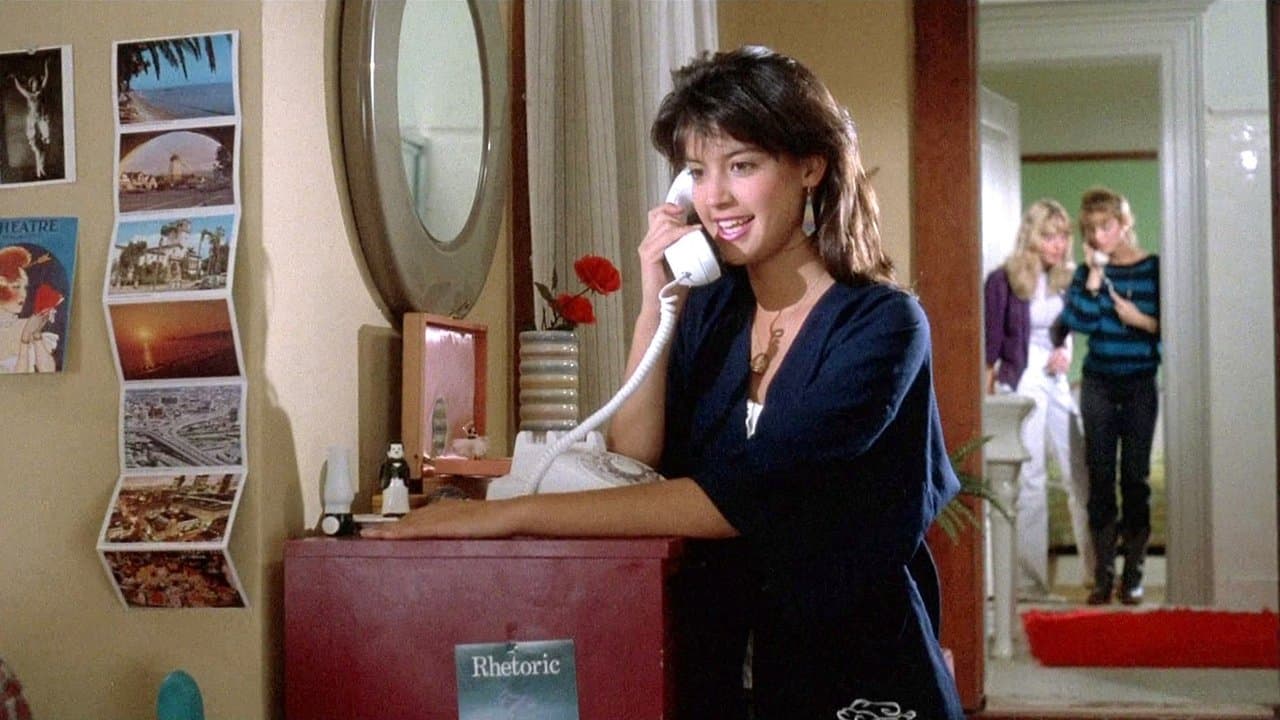
Private School follows the romantic entanglements and sexual misadventures of a group of teenagers navigating life at adjacent boys' and girls' private schools. At the heart of it sits Christine, a girl at the girls' school who's genuinely in love with Jim, a boy from across the way—but their relationship faces constant interference. Jim's friend Bubba, meanwhile, isn't content with ordinary teenage romance; he's orchestrating increasingly absurd schemes to access forbidden spaces, most memorably dressing up as a woman to infiltrate the girls' locker room. Jordan, a rival student, actively works to sabotage Christine and Jim's relationship while pursuing Jim herself. What emerges isn't so much a coherent love story as a series of escalating pranks and misunderstandings—the plot is almost incidental to the comedy of errors unfolding around it.
Behind the Making of Private School
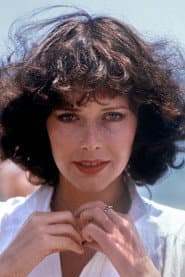
Private School hit theaters in 1983 under the direction of Noel Black, who'd previously worked in television and smaller features. The film was produced by Unity Productions and Universal Pictures, giving it the studio backing that made wide distribution possible. The cast assembled around the project would go on to varying degrees of fame: Phoebe Cates, fresh off her breakout role in Fast Times at Ridgemont High, anchored the film as Christine, while Matthew Modine—who'd later become a serious, respected actor in films like Proof of Life and The Blacklist—played Jim. Betsy Russell rounded out the love triangle as Jordan. The 89-minute runtime is lean and purposeful; there's no fat here, just scene after scene of scheming and comeuppance. The film arrived in an era when teen sex comedies were a reliable box-office draw, and Private School capitalized on that appetite with a premise that was both familiar and transgressive enough to feel daring. It holds a 5.686/10 rating on IMDb, which tells you something about how audiences have reassessed it over the decades—it's not a film that's aged into critical reappraisal, but it remains a time capsule of 1980s teen-movie sensibilities.
What Makes Private School Stand Out
What's striking about Private School, honestly, is how little it cares about making its characters sympathetic or its plot coherent. The film operates on pure comedic momentum—gags pile on gags, and if you're not laughing at one bit of voyeurism or cross-dressing, there's another one arriving in thirty seconds. The performances anchor this chaos without trying to ground it in realism; Modine and Cates play their roles with a kind of earnest goofiness that suggests they understood exactly what kind of movie they were in. I keep coming back to the fact that Bubba's schemes—the locker-room infiltration, the various stratagems to spy on or embarrass the girls—are treated as harmless fun rather than, you know, actual crimes. That's a very 1980s sensibility, one that wouldn't fly in contemporary teen comedy. The film doesn't pretend to have anything profound to say about adolescence or desire; it just wants to make you laugh at the gap between teenage ambition and teenage incompetence. There's something almost honest about that refusal to moralize. If you're looking for nuance or character development, you're watching the wrong movie entirely. But if you want to see what teenage comedies looked like before they became vehicles for earnest coming-of-age narratives, Private School delivers exactly what it promises.
Where to Stream Private School Online
Finding Private School is easier than it used to be, thanks to the proliferation of streaming platforms. The film is currently available on major OTT services—check the where-to-watch widget at the top of this page to see which platforms in your region are carrying it right now. Movie OTT tracks availability across Netflix, Prime Video, and other major services, so you can see exactly where you can watch it without having to hunt across five different apps. Streaming rights shift constantly, so if you don't see it on your preferred platform today, it may well arrive there next month. The 89-minute runtime makes it a perfect casual watch—the kind of film you can pop on a Friday night without committing to a three-hour epic.
Frequently asked questions
Q: Who directed Private School?
Noel Black directed the film. He was primarily a television director at the time, and Private School represents one of his more widely distributed theatrical releases.
Q: Is Private School based on a true story?
No, it's an original screenplay written specifically as a teen sex comedy. The plot is entirely fictional, designed around comedic set pieces rather than real events.
Q: What's the MPAA rating for Private School?
The film received an R rating for its sexual content and language—typical for teen comedies of the 1980s that wanted to push boundaries without crossing into X-rated territory.
Q: How long is Private School?
The film runs 89 minutes, making it a brisk comedy that doesn't overstay its welcome.
Q: Where can I watch Private School?
You can stream it on major OTT platforms listed in the where-to-watch widget. Movie OTT aggregates current streaming availability, so you'll always know which service has it in your region.
Final Thoughts on Private School
Private School won't change your life or make you think differently about adolescence, and that's precisely the point. It's a time capsule of 1980s teen comedy—broad, silly, occasionally crude, and utterly unconcerned with being "important." The performances are game, the pacing is tight, and if the humor lands for you, you're in for a fun 89 minutes. If it doesn't—well, you haven't lost much time. That's the real gift of streaming: you can sample a film like this without the commitment of a theater ticket or a VHS rental, and decide for yourself whether its particular brand of chaos is your speed.