The story of The Apartment: ambition, loneliness, and a one-bedroom scheme
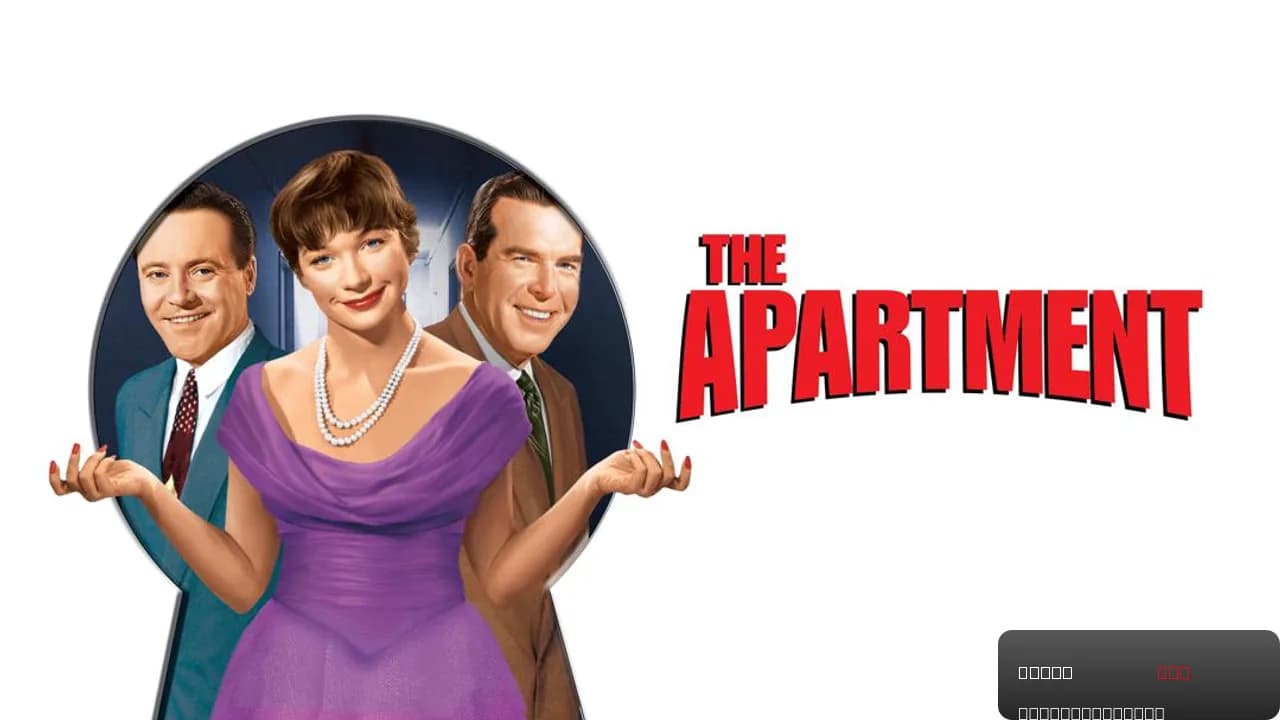
The Apartment opens on New Year's Eve in Manhattan, where C.C. Baxter—a mid-level insurance clerk played by Jack Lemmon—has devised a scheme that's equal parts genius and morally bankrupt. He's offered his Upper West Side apartment to the company's executives so they can conduct their extramarital affairs away from their wives. In exchange, he gets promotions, raises, and the kind of corporate respect that doesn't usually come to guys filing claims in a beige cubicle. It's a transaction dressed up as friendship, and for a while, it works beautifully. Then Baxter meets Fran Kubelik, an elevator operator in his office building—sharp, funny, achingly vulnerable—and suddenly his tidy arrangement becomes a moral minefield. She's the woman he wants, but she's also the woman his boss, the head of personnel, has been bringing to the apartment. The film doesn't spoil what happens next, but it does something rarer: it takes a premise that could've been pure farce and turns it into something genuinely moving.
Behind the making of The Apartment: Wilder, Lemmon, and five Oscar wins
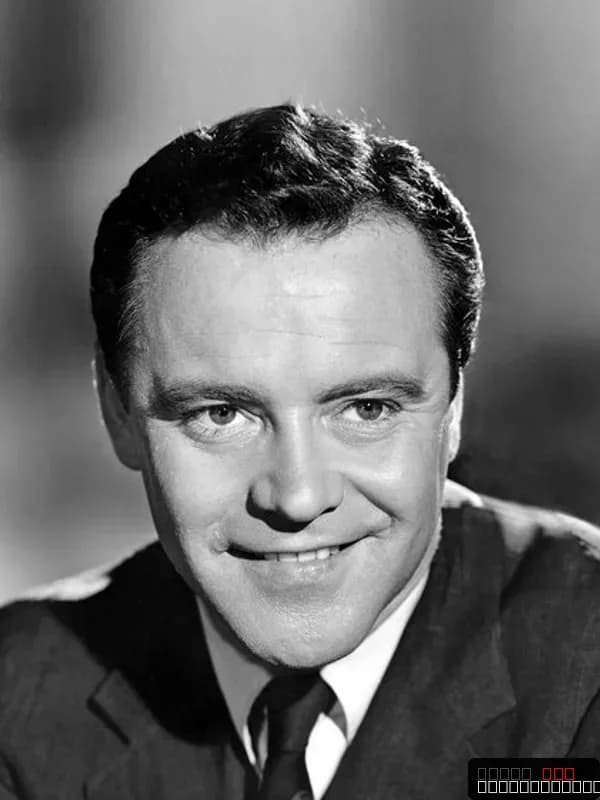
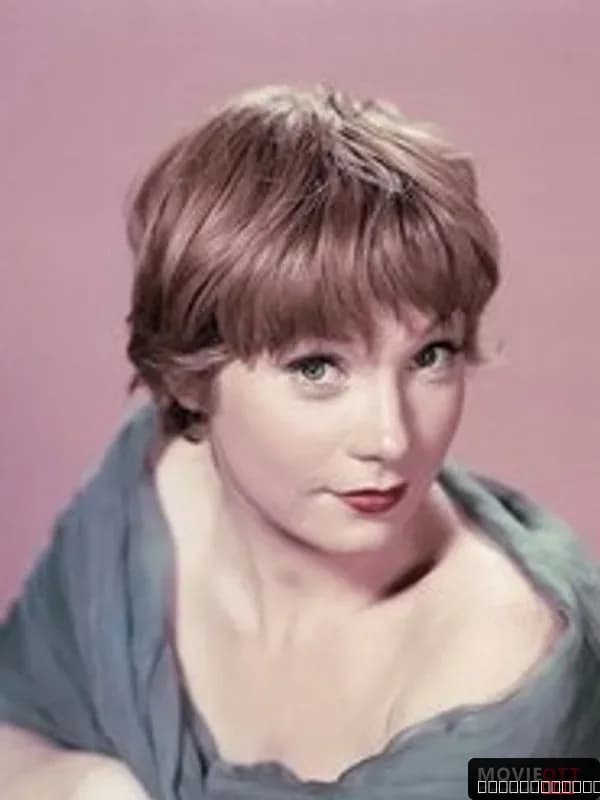
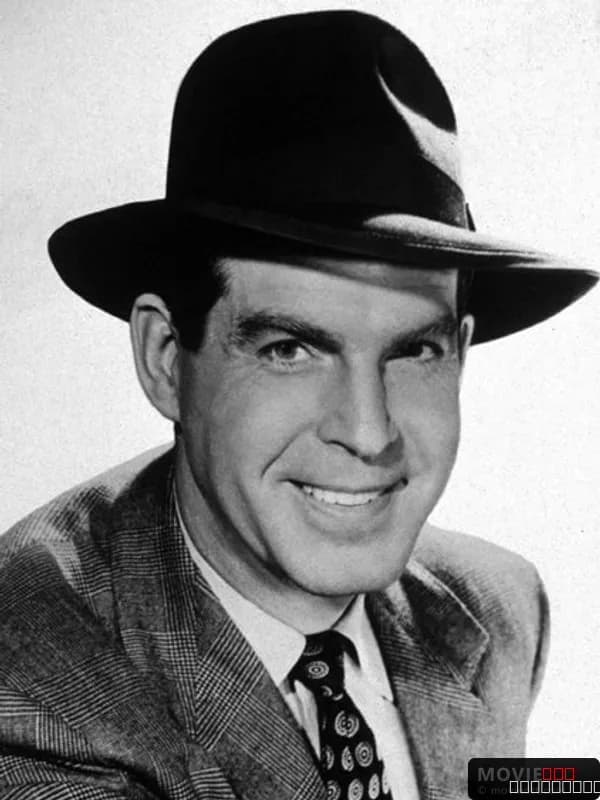
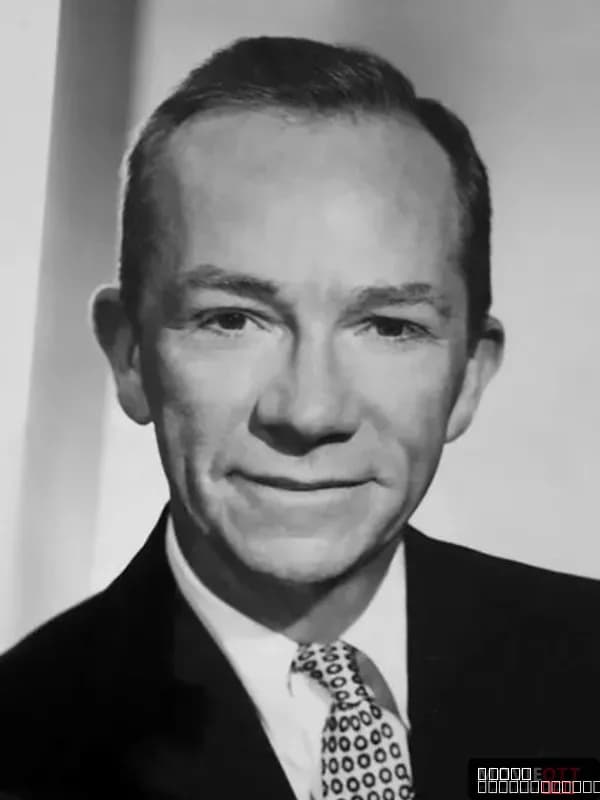
Billy Wilder directed and produced The Apartment from a screenplay he co-wrote with I.A.L. Diamond, and their script won the Academy Award for Best Original Screenplay in 1961. The film itself was a juggernaut that year—nominated for ten Oscars and winning five, including Best Picture, Best Director, and Best Editing. That's the kind of sweep that doesn't happen often, and it's a reminder that Wilder was operating at a level most filmmakers never reach. Jack Lemmon's performance as Baxter earned him an Oscar nomination, and Shirley MacLaine's portrayal of Fran Kubelik—a woman trapped between desire and self-preservation—remains one of cinema's most nuanced romantic leads. Fred MacMurray plays Sheldrake, the lecherous executive, with a chilling ordinariness that makes his behavior feel less like villainy and more like the default setting of his world. Supporting players like Ray Walston and Jack Kruschen fill out the insurance office with the kind of ensemble warmth that makes the setting feel lived-in rather than staged.
The film was a commercial success as well as a critical one, though Variety reported that some critics questioned whether its Best Picture win was entirely deserved—a debate that's never quite settled, even now. What's clear is that Wilder's technical mastery was undeniable: the black-and-white cinematography captures New York's winter bleakness and its glittering nightlife with equal skill, and the editing creates a rhythm that shifts seamlessly between comedy and genuine pathos. The 120-minute runtime never drags, which is remarkable given how much story Wilder packs in—office politics, romantic longing, a suicide attempt, spaghetti dinners, tennis rackets as plot devices. He's juggling a lot, and he doesn't drop anything.
Why The Apartment still works: Lemmon's vulnerability and Wilder's refusal to choose sides
What's striking about The Apartment is that it refuses to be cynical about its own cynicism. Yes, Baxter's scheme is sleazy. Yes, the corporate world it depicts is morally rotten—men using women, using each other, all in service of climbing a ladder that leads nowhere. But Wilder doesn't wag his finger at any of it. Instead, he lets you watch Baxter realize, gradually and with genuine pain, that his ambition has cost him something he can't buy back. Jack Lemmon's performance is the key here—he's got an everyman quality that makes Baxter sympathetic even when he's being a coward, and there's a moment late in the film where he just sits in his apartment, alone, and you feel the weight of every compromise he's made. It's not a big dramatic scene. It's quiet. And it's devastating.
Shirley MacLaine's Fran is equally complex. She's not a prize to be won or a victim to be rescued—she's a person making choices, some of them bad, some of them brave, all of them understandable. The age difference between her and her lover (Fred MacMurray's Sheldrake) becomes part of the film's exploration of power and vulnerability, though the movie never lectures about it. The romance that develops between Baxter and Fran doesn't feel tacked on; it emerges from their shared loneliness and the recognition that they're both trapped by the world's expectations. I keep coming back to the New Year's Eve sequence, which bookends the film—there's something almost unbearably poignant about watching these characters face the promise of a new year while carrying the weight of their mistakes and compromises.
Reviewers across decades have noted that The Apartment works because it takes its premise seriously. It doesn't wink at the audience. The comedy comes from character and situation, not from broad jokes or easy laughs. When Baxter's apartment becomes the site of romantic catastrophe—when the film pivots from comedy to something darker—the shift feels earned rather than manipulative. That tonal balance is what separates Wilder from lesser directors. He trusts the audience to follow him into uncomfortable places, and he rewards that trust with genuine insight into how ambition and love can be at war inside the same person.
Where to stream The Apartment online
The Apartment is currently available on Prime Video, where you can stream it in its original black-and-white glory. If you're tracking down where to watch older films, Movie OTT keeps a real-time database of which platforms carry which titles, so you can see current availability without hunting through multiple services. Given that The Apartment is a 1960 film, it's not on every streaming service—availability shifts seasonally—so checking the Where to Watch widget on this page will give you the most up-to-date information on whether it's accessible in your region right now. The film deserves to be seen on a decent screen; the cinematography is too good to squint at on a phone.
Frequently asked questions
Q: Who directed The Apartment?
Billy Wilder directed and produced The Apartment from a screenplay he co-wrote with I.A.L. Diamond. Wilder was one of cinema's greatest directors, and The Apartment stands as one of his masterpieces—a perfect blend of comedy, drama, and romance that earned him the Academy Award for Best Director.
Q: How many Oscars did The Apartment win?
The Apartment won five Academy Awards out of ten nominations, including Best Picture, Best Director, Best Screenplay, Best Editing, and Best Art Direction. It was a dominant force at the 1961 Academy Awards ceremony and remains one of the most honored films of its era.
Q: Is The Apartment based on a true story?
No, The Apartment is not based on a true story. It's an original screenplay written by Billy Wilder and I.A.L. Diamond, though the themes of corporate ambition and romantic entanglement are timeless and feel drawn from real human experience.
Q: What's the age difference between Shirley MacLaine and Fred MacMurray in The Apartment?
Fred MacMurray was born in 1908 and Shirley MacLaine in 1934, making him about 26 years older. The age gap is intentional to the film's exploration of power dynamics and vulnerability—it's part of what makes the relationship between Fran and Sheldrake so troubling and complex.
Q: Where can I watch The Apartment right now?
The Apartment is currently available on Prime Video. Streaming availability can change, so check the Where to Watch widget at the top of this page for the most current information on where you can stream it in your region.
Final thoughts on The Apartment
The Apartment is one of those rare films that works equally well as a comedy, a romance, and a serious examination of how we compromise ourselves in pursuit of success. Watch it once for the laughs and the charm of Lemmon and MacLaine. Watch it again for the melancholy that sits underneath—the recognition that ambition and love don't always point in the same direction. It's the kind of film that rewards repeated viewing, which is probably why audiences keep coming back to it, especially around the New Year. Some movies age. This one just gets better.