Actor & Director
Billy Wilder
10 films on Movie OTT · 9 as director · Active 1941–1981
Billy Wilder arrived in Hollywood by way of necessity as much as ambition. Born Samuel Wilder on June 22, 1906, in Sucha, Galicia — then part of Austria-Hungary — he spent his early years in Vienna before moving to Berlin, where he worked as a journalist and began writing scripts during the final years of the Weimar Republic. When the Nazis came to power in 1933, he fled to Paris and eventually made his way to the United States, arriving with almost no English and a determination to crack one of the most competitive industries in the world. He did more than crack it. Over the next four decades, Wilder became one of the few directors who could move between sharp-edged comedy and bleak psychological drama without losing his footing in either.
About Billy Wilder
Billy Wilder arrived in Hollywood by way of necessity as much as ambition. Born Samuel Wilder on June 22, 1906, in Sucha, Galicia — then part of Austria-Hungary — he spent his early years in Vienna before moving to Berlin, where he worked as a journalist and began writing scripts during the final years of the Weimar Republic. When the Nazis came to power in 1933, he fled to Paris and eventually made his way to the United States, arriving with almost no English and a determination to crack one of the most competitive industries in the world. He did more than crack it. Over the next four decades, Wilder became one of the few directors who could move between sharp-edged comedy and bleak psychological drama without losing his footing in either.
His early Hollywood years were spent as a screenwriter — often working with Charles Brackett — before he started directing in the early 1940s. The films he made in that decade alone would be enough to define most careers: Double Indemnity in 1944, The Lost Weekend in 1945 (which won him Academy Awards for Best Director and Best Picture), Sunset Boulevard in 1950. What's striking is how consistently he managed to make studio films that felt genuinely uncomfortable, not in a provocative-for-its-own-sake way, but in the way that good fiction makes you sit with something you'd rather not think about. Sunset Boulevard's opening — a dead man narrating his own story from a swimming pool — is the kind of move that shouldn't work and absolutely does.
Wilder's long collaboration with writer I.A.L. Diamond, which began in the late 1950s, produced some of his most commercially successful and tonally adventurous work. The two didn't just write together; they seemed to share a sensibility about how far you could push a joke before it became something sadder. That tension is everywhere in their scripts. Wilder's films don't really fit neatly into genre categories — a comedy like The Apartment (1960) carries more genuine melancholy than most dramas of its era, and his crime pictures have a dry wit running underneath the menace.
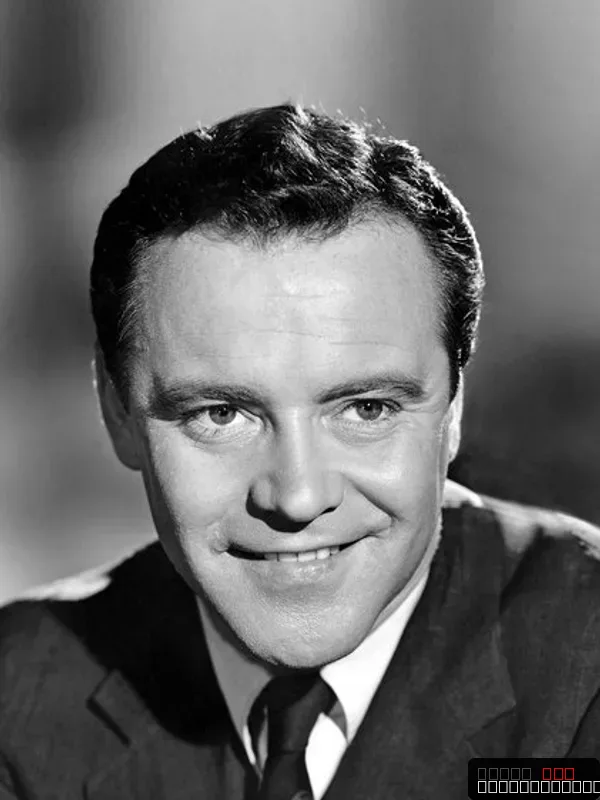
Some Like It Hot, released in 1959, is probably the film most people land on when they think of Wilder at his peak. Shot in black and white over the objections of some studio executives (Wilder felt color would make the drag comedy too cartoonish, which — honestly, he was right), it starred Marilyn Monroe, Tony Curtis, and Jack Lemmon in a farce built around two musicians hiding from the mob. The film's final line, delivered by Joe E. Brown, remains one of the most quoted closing moments in American cinema. It won a Golden Globe for Best Comedy and has held up in a way that many comedies from that era simply haven't. Then there's The Fortune Cookie (1966), which paired Jack Lemmon and Walter Matthau for the first time — a pairing that worked so well the two would return to Wilder's films repeatedly. The Fortune Cookie is a colder, more cynical picture than Some Like It Hot, built around insurance fraud and the casual cruelty people inflict on each other when money is involved. It's not the film people mention first, but it's worth the time.
Hard to say if Wilder ever got quite the critical reassessment his later work deserved — films like The Private Life of Sherlock Holmes (1970) and Fedora (1978) were received coolly on release but have found more appreciative audiences over the years. His career as a director wound down in the early 1980s, but the body of work he left behind — spanning noir, screwball comedy, satire, and something that doesn't have a clean name — continues to be studied, argued over, and revisited. A filmmaker who wrote nearly everything he directed, who fled one continent and reshaped the culture of another. That's not a small thing.
Currently streaming
4 of 10 on platformsFilmography
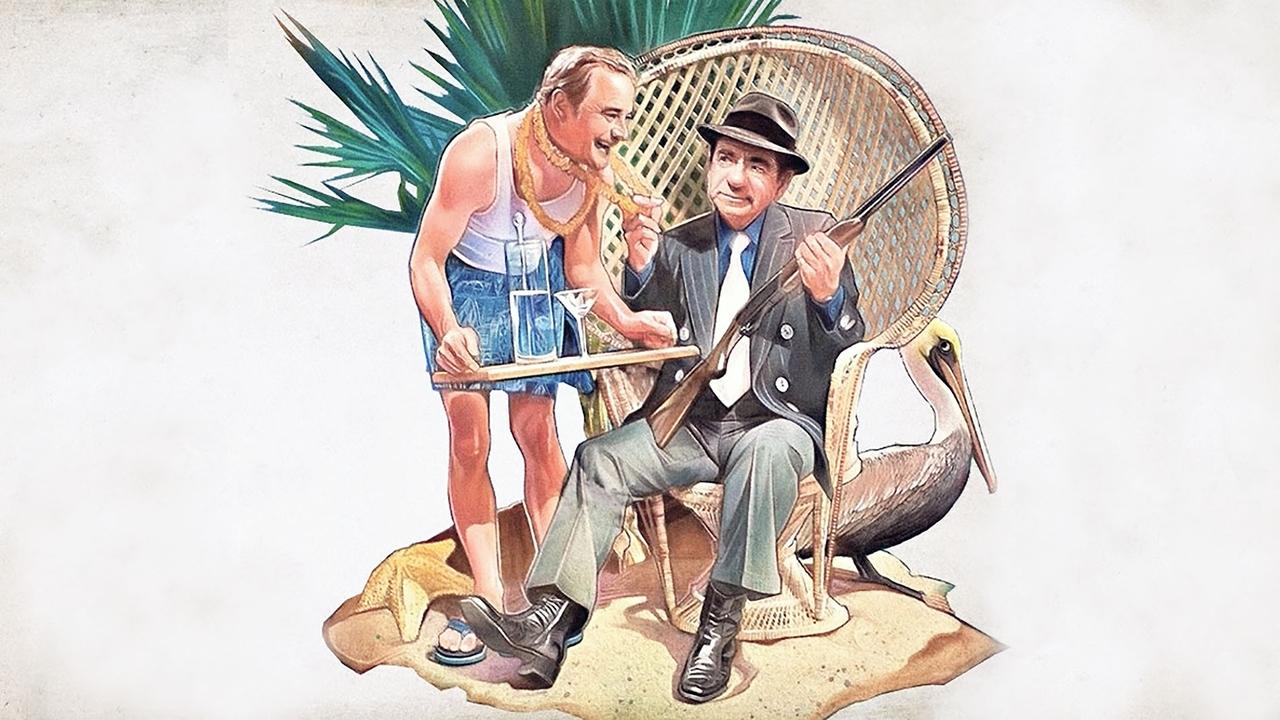
Buddy Buddy
1981 · Writer, Director
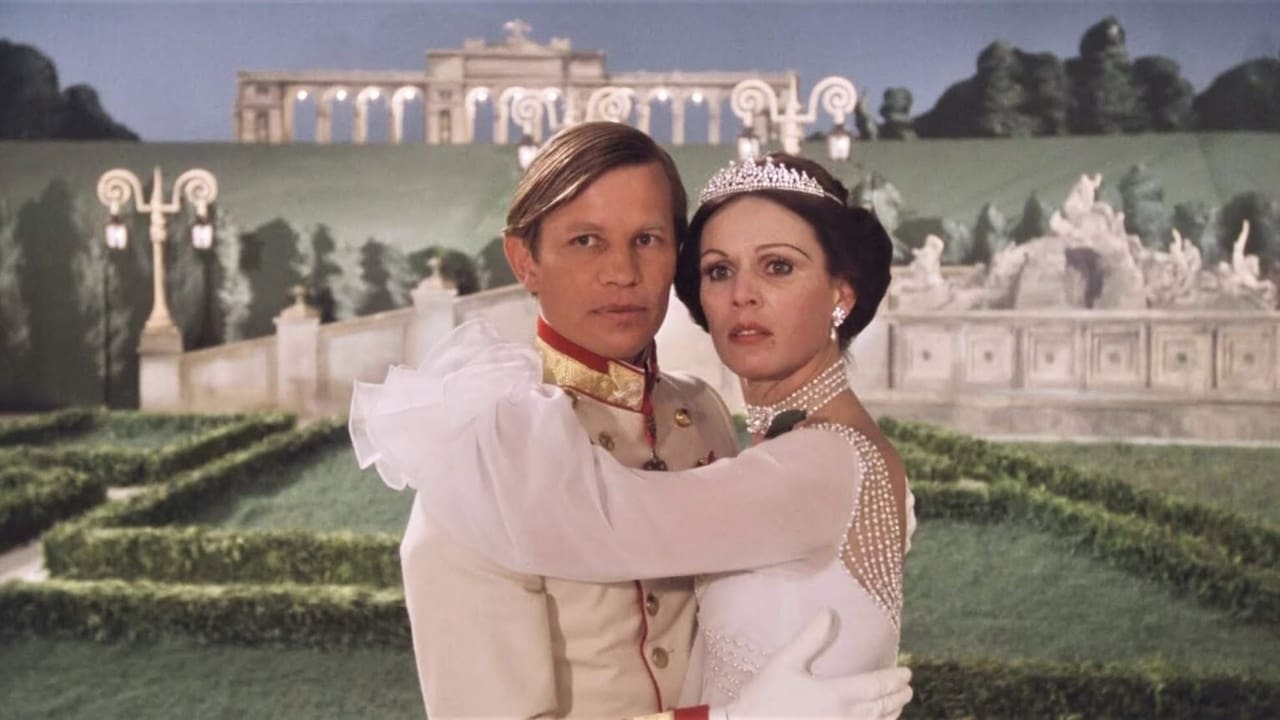
Fedora
1978 · Writer, Director
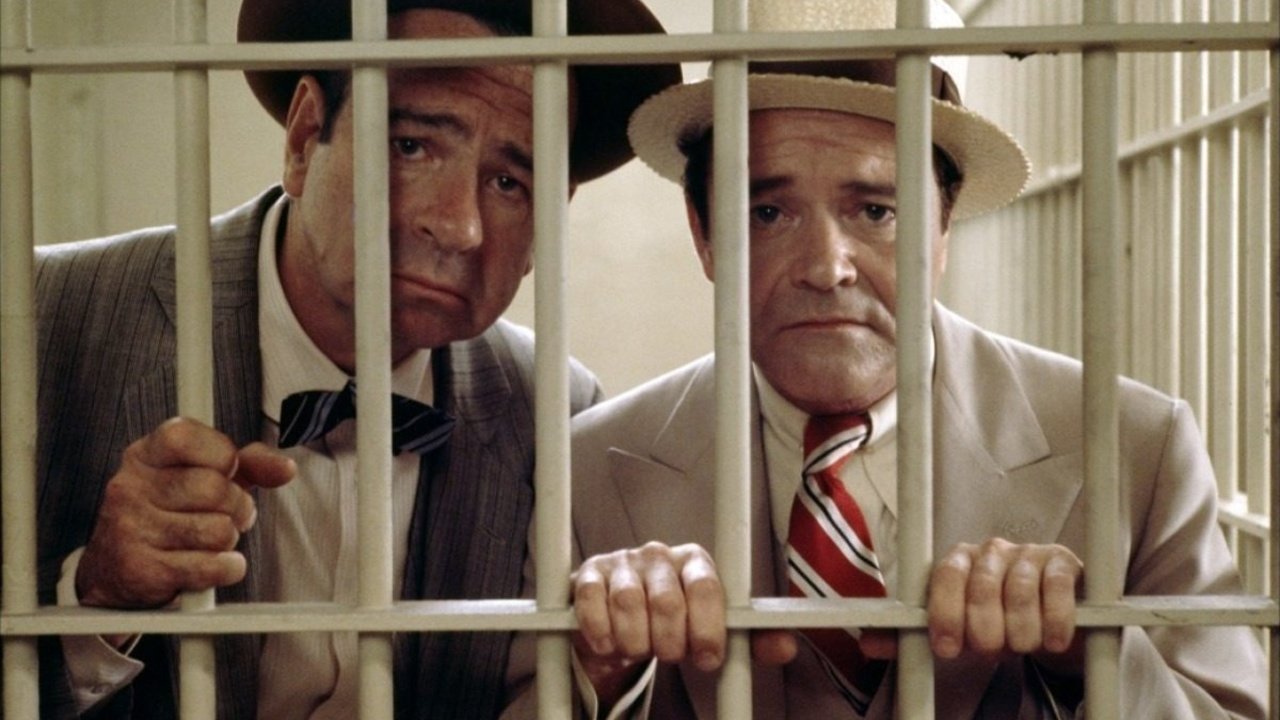
The Front Page
1974 · Director
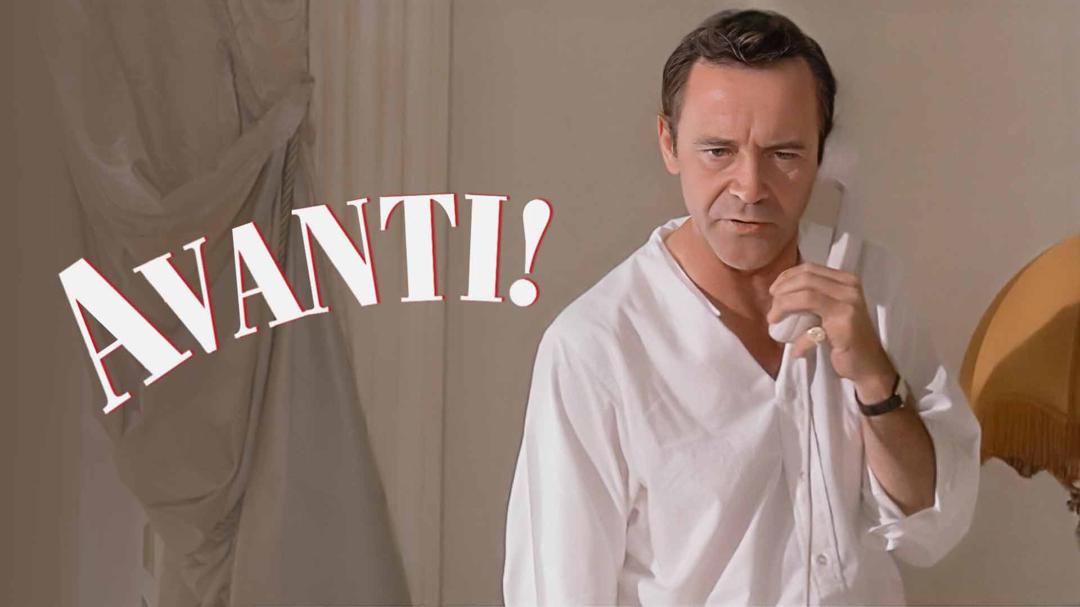
Avanti!
1972 · Director
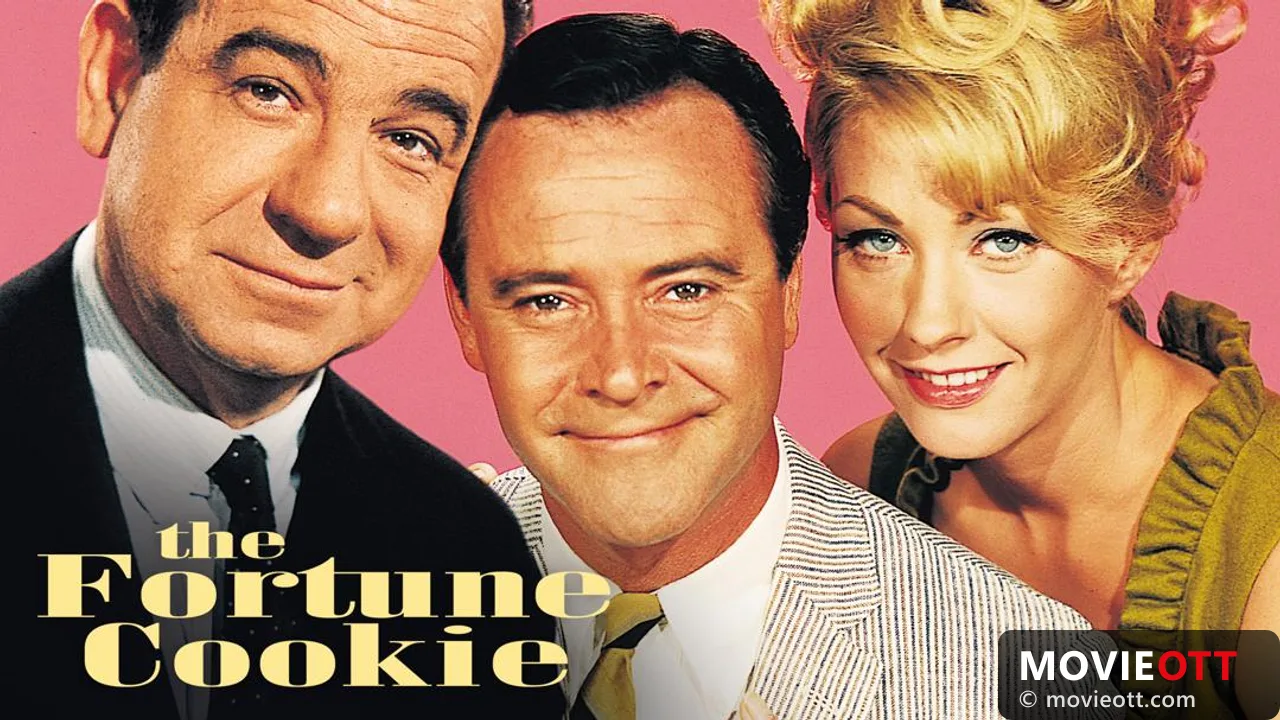
The Fortune Cookie
1966 · Director
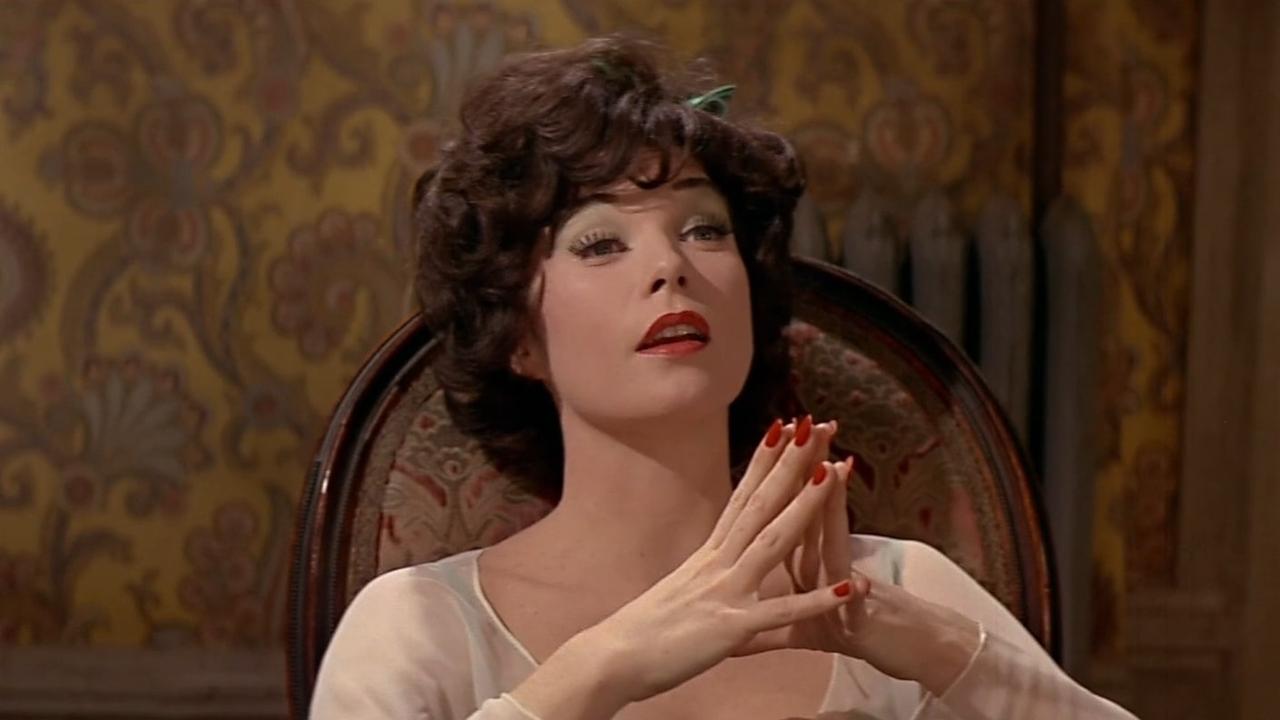
Irma la Douce
1963 · Producer, Director

The Apartment
1960 · Director
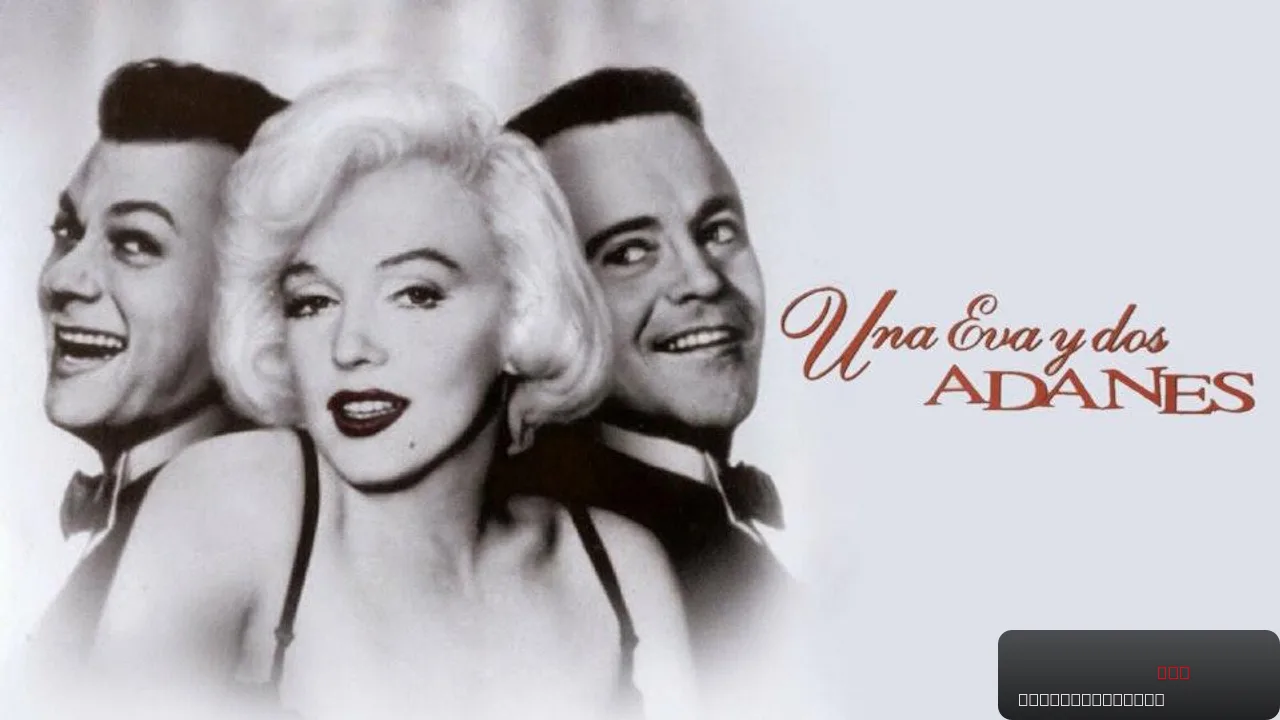
Some Like It Hot
1959 · Director
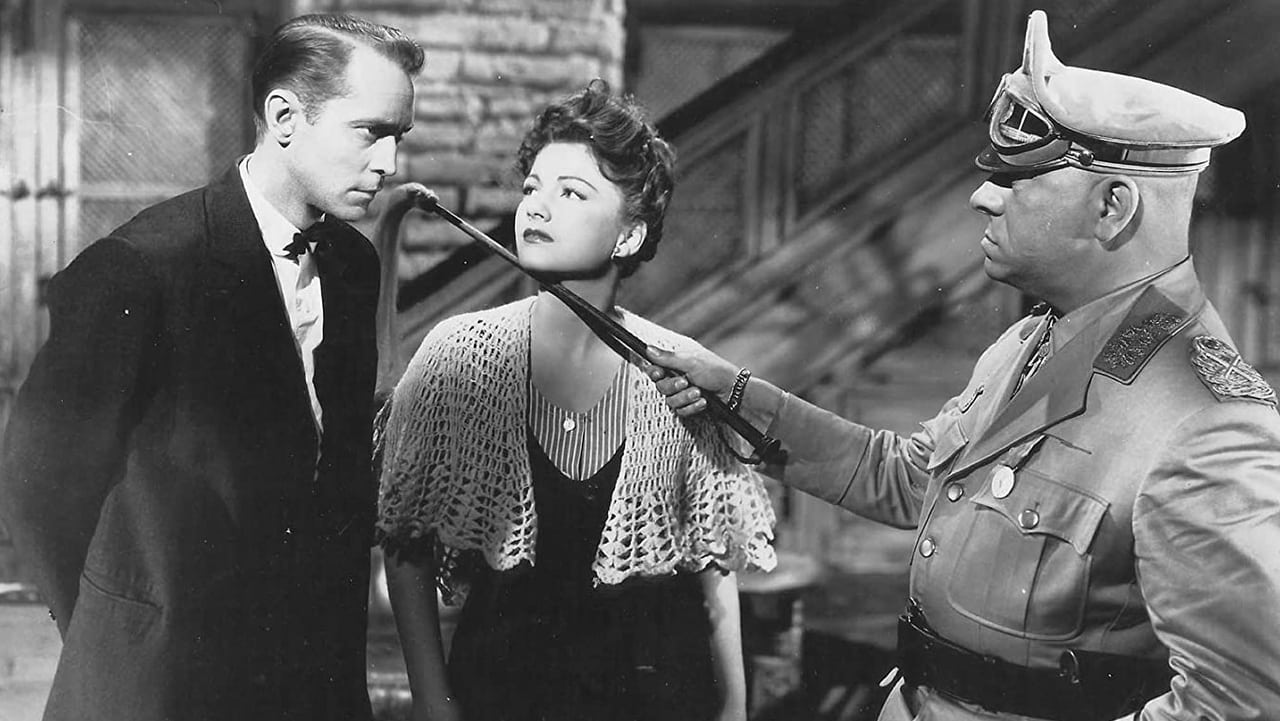
Five Graves to Cairo
1943 · Director
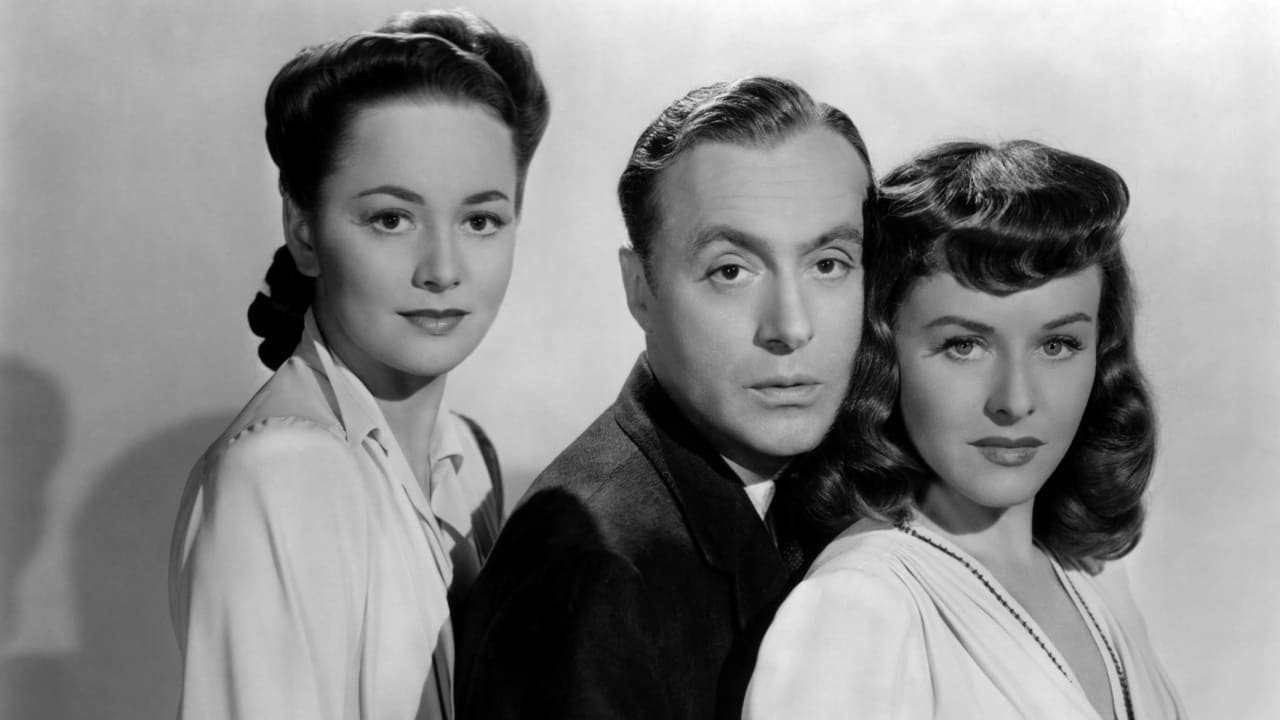
Hold Back the Dawn
1941 · Writer
Frequently asked questions
When and where was Billy Wilder born?
Billy Wilder was born 1906-06-22 in Sucha, Galicia, Austria-Hungary.
What films is Billy Wilder known for?
Billy Wilder has 10 titles indexed on Movie OTT, including Buddy Buddy, Fedora, The Front Page.
Where can I watch Billy Wilder's films?
4 of Billy Wilder's films are currently streaming, available on Prime Video.
Has Billy Wilder directed any films?
Yes — Billy Wilder has 9 directorial credits indexed on Movie OTT.
How long has Billy Wilder been active?
Billy Wilder's film career on Movie OTT spans from 1941 to 1981 — 40 years of work.