

The story of Five Graves to Cairo
Five Graves to Cairo unfolds during the chaotic 1942 North African campaign, when British forces are reeling from Erwin Rommel's advances across the desert. A lone British soldier survives the wreckage of his unit and stumbles upon a bombed-out hotel that's been commandeered as headquarters by the Axis command. Here's where the film's central conceit kicks in: rather than attempt a direct assassination, our protagonist assumes the identity of a dead waiter and infiltrates the hotel staff. What begins as a survival gambit transforms into something far more strategically valuable—an opportunity to gather intelligence that could shift the entire North African theater. The tagline asks it plainly: "Did a Woman Start the Rout of Rommel?" That question hints at the film's moral complexity, where victory doesn't come through heroic combat but through cunning, seduction, and the messy realities of wartime espionage.
Behind the making of Five Graves to Cairo
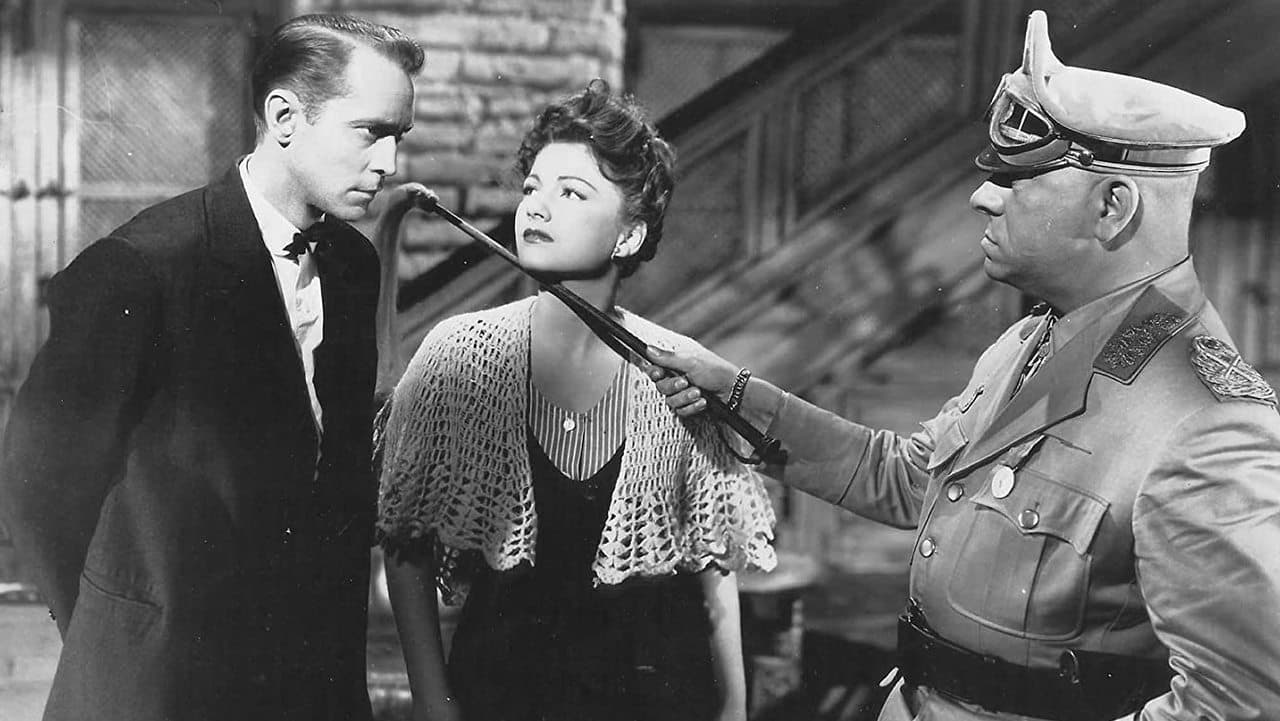
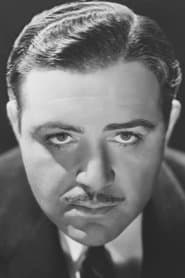
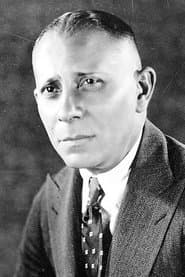
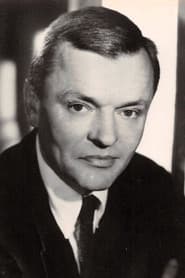
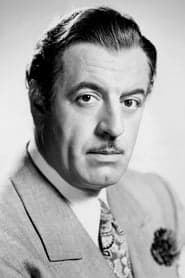
Billy Wilder directed this 96-minute war thriller for Paramount Pictures, adapting it alongside Charles Brackett from Lajos Bíró's 1917 Hungarian play Hotel Imperial, which had already been filmed once in 1927. The casting was star-studded for its era: Franchot Tone carries the lead as the British soldier, while Anne Baxter provides the romantic and moral tension as a hotel employee with her own secrets. But it's Erich von Stroheim's supporting turn as Field Marshal Rommel that gives the film its spine—a quiet, observant performance that makes the Desert Fox feel less like a cartoon villain and more like an intelligent adversary sizing up his opponent. Miklós Rózsa's score and John Seitz's cinematography create a claustrophobic atmosphere within the hotel's walls, even as the vast desert looms outside. The film arrived in 1943 when American audiences were hungry for stories about outwitting the Axis powers, and Wilder's lean, intelligent approach stood apart from more bombastic war pictures of the period. It's a relatively modest production by today's standards, but it proved Wilder's gift for building tension through dialogue and character rather than spectacle.
What makes Five Graves to Cairo stand out
What's striking about this film is how it refuses easy heroics. The protagonist isn't a decorated soldier or a bold saboteur—he's a frightened man improvising survival, and that vulnerability makes the stakes feel genuine. Tone's performance captures something that doesn't always make it into wartime propaganda: the exhaustion and moral ambiguity of someone forced to lie constantly to stay alive. The film doesn't shy away from the fact that intelligence work involves seduction, betrayal, and using people's desires against them. Anne Baxter's character isn't a prize to be won but a woman with her own agency and complicated loyalties, which was fairly progressive for 1943. Von Stroheim's Rommel, meanwhile, is portrayed as cultured, perceptive, even sympathetic in moments—a choice that makes him more menacing, not less, because you can't dismiss him as a mere tyrant. I keep coming back to the scene where Rommel and the British soldier share a moment of mutual respect, each knowing something's off but neither quite ready to make the move. That's where Wilder's direction shines: in the spaces between words, in the looks exchanged across a room. The film also doesn't wrap everything up with a tidy bow—there's ambiguity about who's really won and what victory even means in this context. For those tracking the best espionage thrillers available now, Movie OTT catalogs where you can find this and similar titles across streaming platforms.
Where to stream Five Graves to Cairo online
Five Graves to Cairo is currently available on major OTT services, and you can check the "Where to Watch" widget at the top of this page to see which platforms are streaming it in your region right now. Availability shifts regularly, but the film has remained in circulation because it's considered a legitimate piece of cinema history—not just a wartime curiosity but a genuinely crafted thriller that holds up. Movie OTT tracks current streaming availability across multiple services, so you won't waste time hunting. The 96-minute runtime makes it easy to fit into an evening, and the narrative moves briskly enough that it'll hold your attention without feeling like a commitment.
Frequently asked questions
Q: Who directed Five Graves to Cairo?
Billy Wilder directed the film, co-writing the screenplay with Charles Brackett. It was one of Wilder's earlier features and showcases his talent for building tension through character and dialogue rather than action set pieces.
Q: Is Five Graves to Cairo based on a true story?
No, it's based on Lajos Bíró's 1917 Hungarian play Hotel Imperial, which had been adapted once before in 1927. While the North African campaign of 1942 is historically accurate, the plot and characters are fictional.
Q: Who plays Rommel in Five Graves to Cairo?
Erich von Stroheim portrays Field Marshal Erwin Rommel in a supporting but pivotal role. His quiet, intelligent performance is one of the film's greatest strengths and makes the character far more complex than a typical wartime villain.
Q: What's the runtime of Five Graves to Cairo?
The film runs 96 minutes, making it a lean, efficient thriller that doesn't overstay its welcome.
Q: What genres does Five Graves to Cairo belong to?
It's classified as a war film, thriller, and drama—though the emphasis falls heavily on espionage and psychological tension rather than battle sequences.
Final thoughts on Five Graves to Cairo
Five Graves to Cairo deserves a spot in any serious viewer's wartime cinema rotation. It's not a film that shouts about its intelligence or its moral questions—it trusts you to pick up on the contradictions and the human cost of deception. If you're tired of straightforward war heroics and want something that treats its audience as capable of handling ambiguity, this 1943 Paramount thriller is worth your time. The performances hold, the direction is assured, and the central premise remains genuinely engaging. Don't expect explosions. Expect instead the slow, nail-biting realization that sometimes the most dangerous weapon is a good lie.