

The Story of Ray Charles in Taylor Hackford's Ray
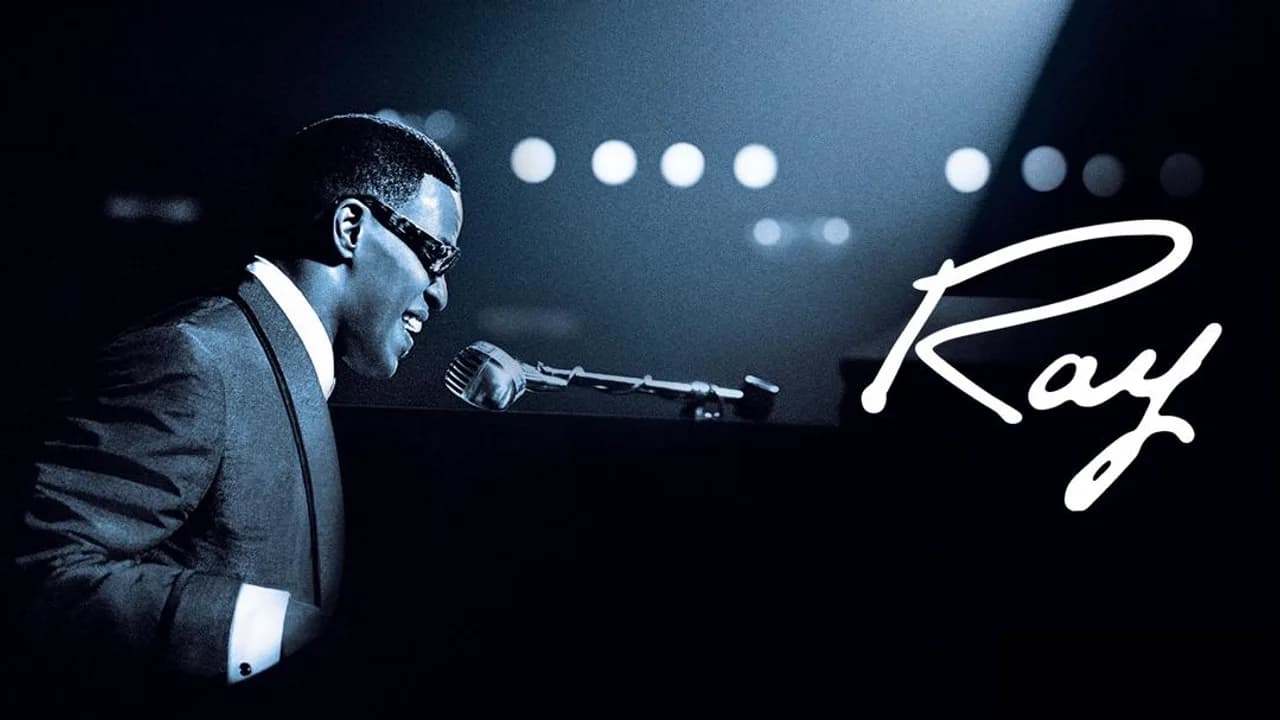
Taylor Hackford's Ray tells the story of one of America's most influential musicians across three decades of his life—a man who overcame blindness to become a cultural force, yet couldn't seem to overcome his own demons. The film doesn't shy away from the contradictions that defined Ray Charles: a visionary artist whose fingers could unlock the soul of a piano, whose voice could bend genres like no one else, but whose personal life spiraled through substance abuse, infidelity, and cruelty to those closest to him. It's a portrait of genius that refuses to sand down the rough edges, and that's what makes it matter.
The narrative moves between Ray's early years—his blindness, his mother's tough love, his first brushes with success—and his later triumphs and unraveling. We see him revolutionizing music, blending gospel, blues, and country in ways that shouldn't have worked but did. We also see the cost of that genius, the way addiction and ego corroded his relationships. The film doesn't ask you to like Ray Charles. It asks you to understand him.
Behind the Making of Ray and Jamie Foxx's Oscar Win
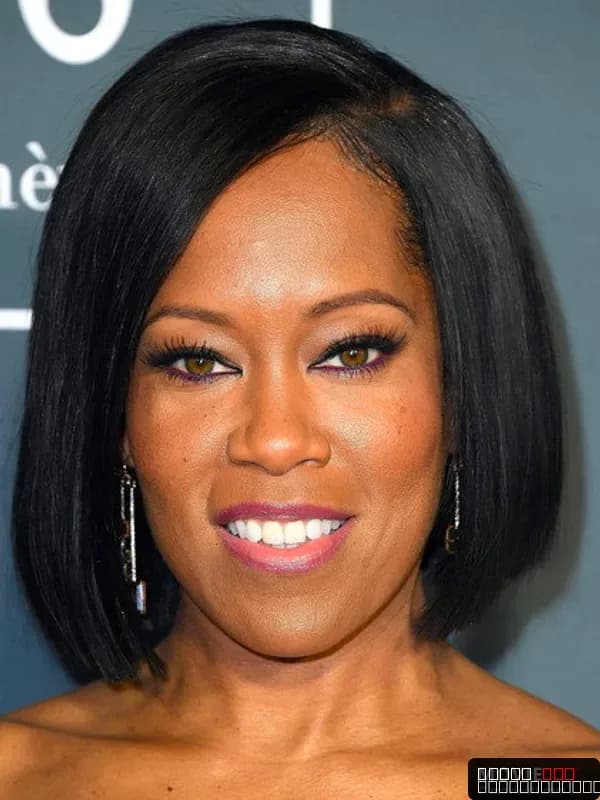
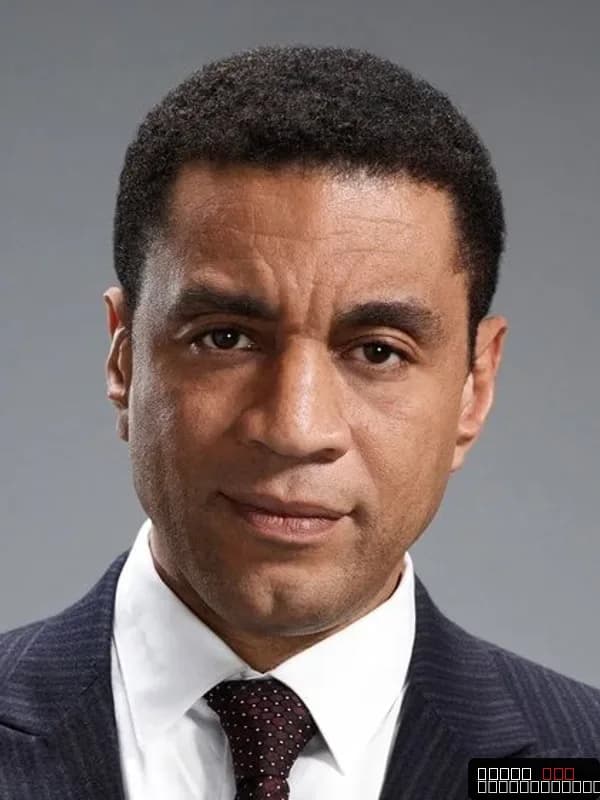
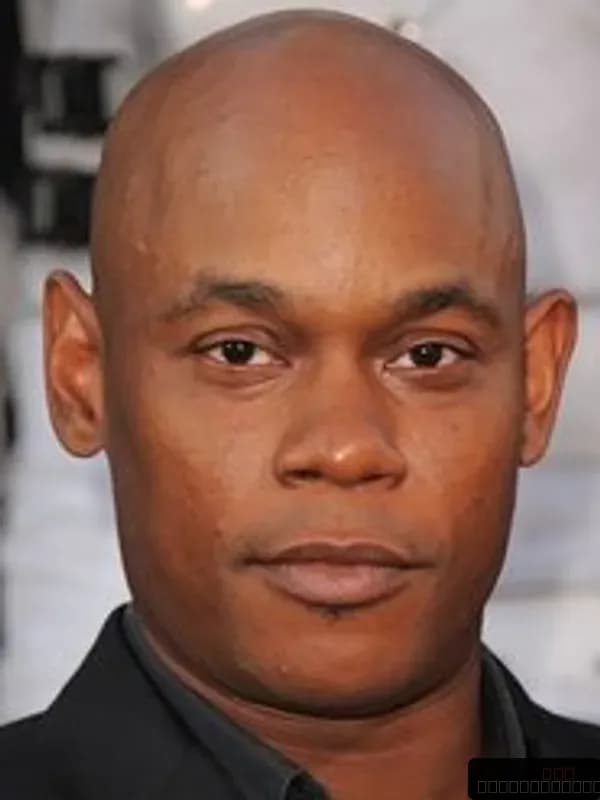
Produced independently and directed by Taylor Hackford, who co-wrote the screenplay with James L. White, Ray arrived in 2004 as a labor of conviction rather than a studio cash grab. Hackford assembled a strong ensemble cast around Jamie Foxx in the lead role, with Kerry Washington, Regina King, Harry Lennix, Clifton Powell, Bokeem Woodbine, and Sharon Warren rounding out the supporting players. The film was co-produced by Stuart Benjamin, Howard Baldwin, and Karen Baldwin alongside Hackford.
What happened next made industry history. Jamie Foxx's performance earned him the Academy Award for Best Actor—a rare win for a biographical role that didn't feel like Oscar-bait acting but rather like genuine inhabitation of a human being. He didn't just play Ray Charles; he seemed to channel him, from the physical mannerisms to the vocal inflections to the way Ray moved through the world despite his blindness. The film itself received multiple nominations and accolades, cementing its place in the canon of music biopics. At 152 minutes, it's a commitment—but that runtime allows Hackford to let scenes breathe, to show the long arc of Ray's life rather than rushing through it.
Why Ray Endures as a Portrait of Genius and Reckoning
What makes Ray stand out isn't just Foxx's performance, though that's undeniably the engine driving the film. It's Hackford's refusal to turn Ray Charles into a saint. There's a scene where Ray—successful, famous, powerful—manipulates and discards a woman who loves him, and the film doesn't flinch from showing you his cruelty. That's harder to watch than any drug-addiction montage, because it's about character rather than circumstance. The thing about Ray is that it trusts you to hold two truths at once: this man created transcendent art, and this man was also capable of real harm.
The cinematography captures both the grit of the road and the glamour of the stage. When Ray sits at a piano and plays, you feel the music in your chest—the film has that rare quality of making you believe you're witnessing something sacred. Kerry Washington brings a quiet dignity to her role, and Regina King's performance as Ray's mother carries the weight of a woman trying to instill discipline and love in equal measure. What's striking is how the supporting cast never feels like they're orbiting a star; they're living their own lives, which happen to intersect with Ray's.
I keep coming back to one moment: Ray Charles performing "Georgia on My Mind" at a concert, and the way the camera holds on his face as he sings. There's no manipulation, no swelling strings to tell you how to feel. Just a man, blind since childhood, making music that moves people. That's the heart of Ray—not the redemption arc or the cautionary tale, but the simple, inexplicable fact of genius.
Where to Stream Ray Online
If you're ready to experience Ray's story, you can currently stream it on Prime Video. The Where to Watch widget at the top of this page will show you the most up-to-date availability across all platforms, since streaming rights shift frequently. At Movie OTT, we track where every title lives so you don't have to hunt through multiple apps. With a runtime of 152 minutes, you'll want to set aside a solid evening—it's the kind of film that demands your full attention, not something to half-watch while scrolling your phone.
Frequently asked questions
Q: Is Ray based on a true story?
Yes, Ray is a biographical drama based on the life of legendary musician Ray Charles. The film covers 30 years of his life, from his early years through his rise to fame, struggles with addiction, and his impact on music.
Q: Who directed Ray and who starred in it?
Taylor Hackford directed Ray and also co-wrote the screenplay. Jamie Foxx leads the cast as Ray Charles, with Kerry Washington, Regina King, Harry Lennix, Clifton Powell, Bokeem Woodbine, and Sharon Warren in supporting roles.
Q: Did Jamie Foxx win an award for Ray?
Yes, Jamie Foxx won the Academy Award for Best Actor for his performance in Ray. The film itself received multiple nominations and accolades upon its release in 2004.
Q: How long is Ray?
The film has a runtime of 152 minutes, which allows director Taylor Hackford to tell Ray Charles's story across three decades without rushing key moments or relationships.
Q: What's the IMDb rating for Ray?
Ray holds a 7.6/10 rating on IMDb, reflecting strong critical and audience appreciation for the film's performances and storytelling.
Final Thoughts on Ray
Ray is essential viewing for anyone interested in music, biography, or just great acting. It's not a comfortable film—Hackford doesn't let you off the hook—but it's a deeply human one. Jamie Foxx's performance alone justifies the two-and-a-half-hour investment, but what lingers is the film's refusal to simplify Ray Charles into a hero or a cautionary tale. He's both. He's neither. He's just a man who changed music forever and paid a price for it. That complexity is rare in biopics, and it's why Ray still matters.