The story of Return of Sabata
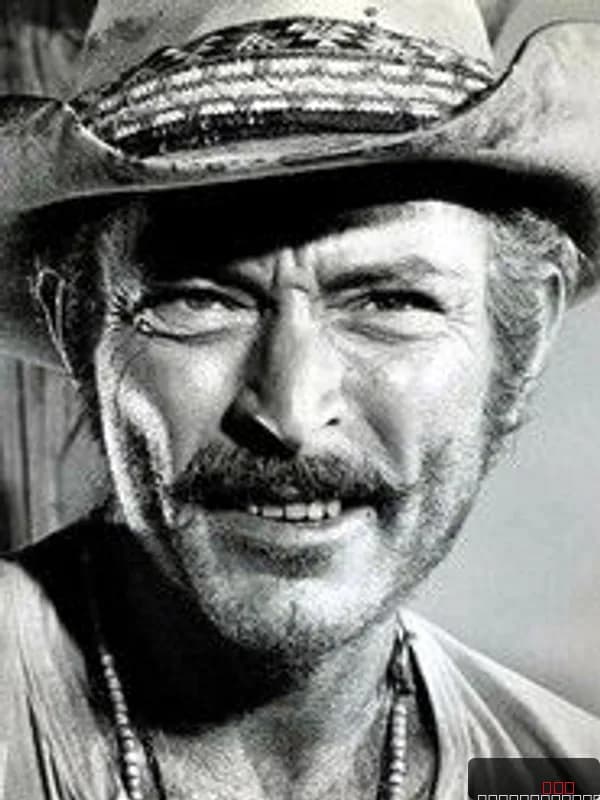
Return of Sabata brings back one of cinema's most charismatic antiheroes — the freewheeling gunslinger played by Lee Van Cleef — as he rolls into a dusty town with a simple mission: collect an old debt and dismantle the operation of a corrupt mayor who's been systematically stealing from the townspeople. It's a straightforward premise dressed up in the trappings of the spaghetti Western, that peculiar subgenre that thrived in the late 1960s and early 1970s. The film doesn't pretend to be anything other than what it is: a revenge tale wrapped in gunfire and scheming. Van Cleef's Sabata is a man of few words but many tricks — the kind of character who solves problems with a combination of cunning, a quick draw, and an almost supernatural ability to stay one step ahead of his enemies. The townspeople are caught in the middle, and whether they'll see justice or just more bloodshed depends entirely on whether Sabata's personal interests align with theirs.
Behind the making of Return of Sabata
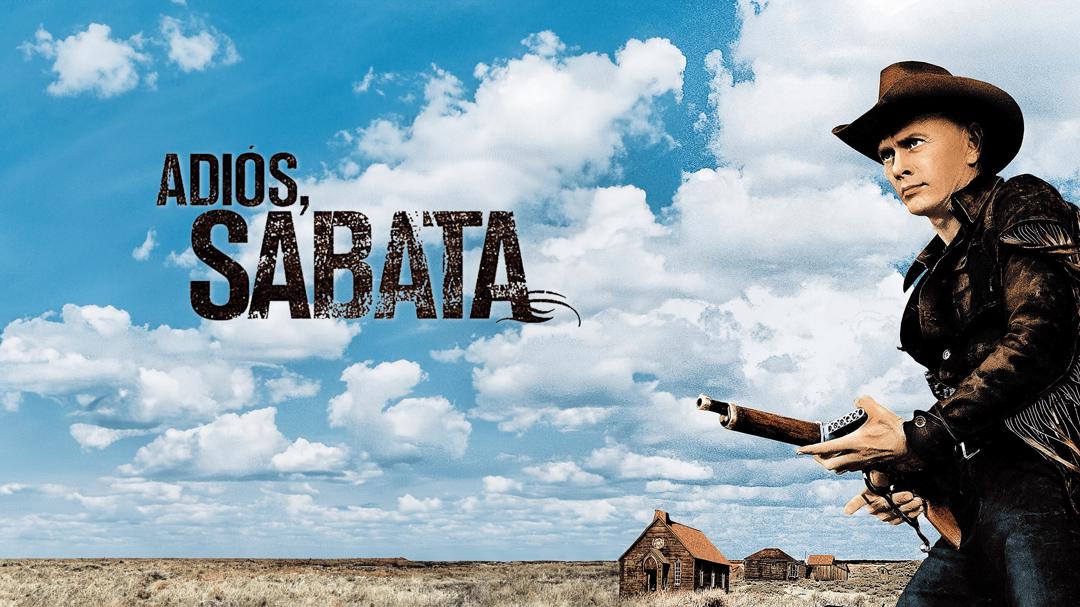
Return of Sabata marks the third installment in the Sabata trilogy, directed by Gianfranco Parolini, a prolific Italian filmmaker who understood the rhythms of the spaghetti Western formula. What's worth noting here is the unusual casting history of the franchise itself. Lee Van Cleef originated the role in the first Sabata film, but when Yul Brynner took over for the 1970 sequel Adiós, Sabata, it wasn't a creative choice — Van Cleef had a scheduling conflict that forced the studio to look elsewhere. Van Cleef's return for this third outing meant audiences got their original antihero back, though by 1971 the spaghetti Western's golden age was already fading. The film was a multinational production, bringing together talent from France, Germany, Italy, and Yugoslavia — a kind of United Nations of B-movie filmmaking that was typical of European productions trying to maximize resources and appeal. Running 105 minutes, it's neither a quick exploitation flick nor an epic; it sits in that middle ground where ambition occasionally outpaces execution. The cast included Reiner Schöne, Giampiero Albertini, and Annabella Incontrera alongside Van Cleef, though none achieved the international recognition that Van Cleef himself commanded. Box office returns were modest at best, and the film never generated the kind of critical acclaim or audience enthusiasm that might've extended the Sabata legacy further.
What makes Return of Sabata stand out
Here's the thing about Return of Sabata — it doesn't always work, but when it does, there's something genuinely engaging about Van Cleef's performance and the film's willingness to prioritize character scheming over gunfight spectacle. Van Cleef, by 1971, had become the face of a certain kind of Western protagonist: morally ambiguous, physically efficient, capable of reading a room and exploiting its weaknesses. He brings a weary intelligence to Sabata that keeps you watching even when the plot mechanics creak. The film's attempt to balance action with intrigue, to show Sabata outthinking his opponents rather than simply outdrawing them, shows an understanding that audiences had evolved beyond the simple good-guy-versus-bad-guy formula. What's striking is how the movie treats its central conflict as a puzzle Sabata must solve — he can't just walk into town and shoot the mayor, so he has to maneuver, make alliances, and use the townspeople's desperation against the corrupt system. That's more interesting than it sounds, even if the execution sometimes falters. The revolver becomes less a symbol of frontier justice and more a tool in a larger game of manipulation. I keep coming back to the fact that this film was included in the 1978 book The Fifty Worst Films of All Time, which tells you something about how posterity has treated it — yet there's an earnestness to its ambitions that doesn't deserve complete dismissal. It's a film that tried, even if trying wasn't quite enough.
Where to stream Return of Sabata online
Return of Sabata is currently available on Prime Video, making it accessible to anyone with an Amazon subscription — no additional fees or hunting through obscure archives required. If you're tracking down where all your favorite Westerns are streaming right now, Movie OTT keeps a comprehensive database of which platforms carry which titles, so you can plan your viewing without the guesswork. The film's presence on a major platform like Prime Video is somewhat surprising given its reputation, but that's also part of what makes streaming services valuable — they resurrect films that might otherwise gather dust in studio vaults. The Where to Watch widget at the top of this page will show you the most current availability, since streaming rights shift constantly. If you're a Western completist or just curious about the later entries in the Sabata trilogy, Prime Video makes it easy to check it out without commitment.
Frequently asked questions
Q: Is this the same Sabata from the first film?
Yes, Lee Van Cleef reprises his original role as the cunning gunslinger Sabata. Yul Brynner played the character in the 1970 sequel Adiós, Sabata due to Van Cleef's scheduling conflict, but Van Cleef returned for this third installment.
Q: How long is Return of Sabata?
The film runs 105 minutes, making it a fairly standard length for a spaghetti Western of that era — long enough to develop plot and character, but short enough to maintain momentum.
Q: Where can I watch Return of Sabata?
Return of Sabata is currently streaming on Prime Video. Check the Where to Watch widget on this page for the most up-to-date availability across platforms.
Q: Who directed Return of Sabata?
Gianfranco Parolini directed the film. He was an Italian filmmaker who worked extensively in the spaghetti Western genre during the late 1960s and early 1970s.
Q: Was Return of Sabata well-received by critics?
No — the film has an IMDb rating of 5.6/10 and was later listed in the 1978 book The Fifty Worst Films of All Time, though it has found some appreciation among spaghetti Western enthusiasts who value its character-driven approach.
Final thoughts on Return of Sabata
Return of Sabata isn't a masterpiece, and it's not trying to be. What it is, though, is a solid mid-tier entry in a genre that Hollywood had largely abandoned by the early 1970s. Lee Van Cleef carries the film on the strength of his presence alone, and if you've got 105 minutes and a taste for vintage European Westerns, it's worth your time. The film doesn't reinvent the wheel — it just spins it competently. Don't expect artistic revolution; expect a smart gunslinger, a corrupt mayor, and a town caught in between. That's enough. Streaming availability makes it easier than ever to explore the deeper cuts of Western cinema without hunting down VHS tapes or expensive Blu-rays. Sometimes the best reason to watch a film is simply that it's there, waiting, and you've got nothing better to do on a weekend afternoon.