
The story of Robin Hood's medieval uprising
Ridley Scott's Robin Hood isn't the swashbuckling outlaw you think you know. This 2010 film strips away centuries of legend to ask a harder question: how does a knight become a revolutionary? Set in 12th-century England, the narrative follows Robin of Loxley as he returns from the Crusades to find his homeland ravaged by corruption, heavy taxation, and the ruthless ambitions of the crown. What unfolds isn't a tale of a man who simply steals from the rich—it's the story of how local grievance transforms into an uprising that will reshape the balance of power itself. Russell Crowe's Robin doesn't wear tights or crack jokes. He's weathered, strategic, and driven by something deeper than outlaw romance. The film takes its medieval setting seriously, grounding the legend in the political and social friction of the period.
Behind the making of Robin Hood and its production journey
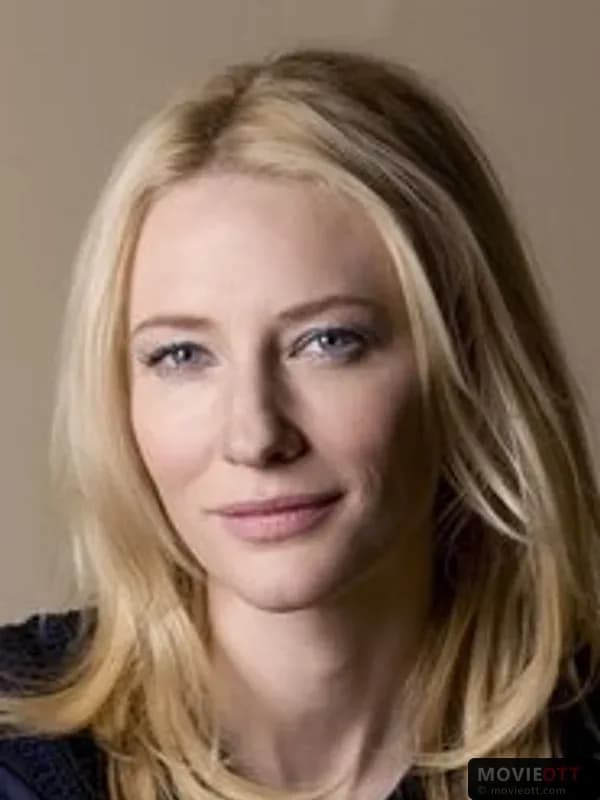
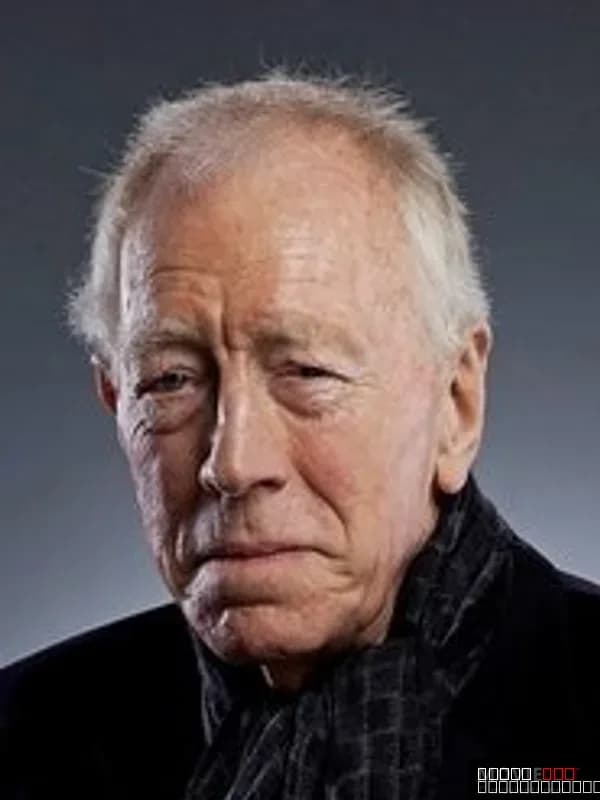
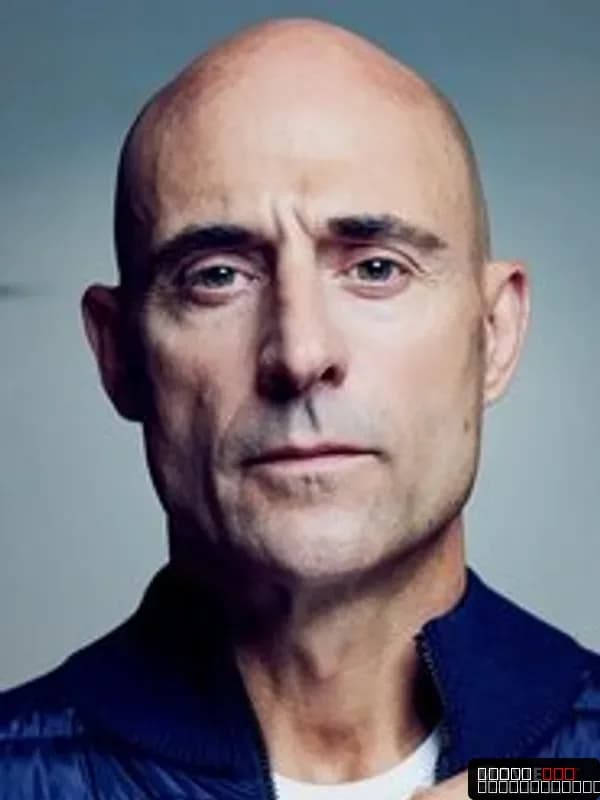
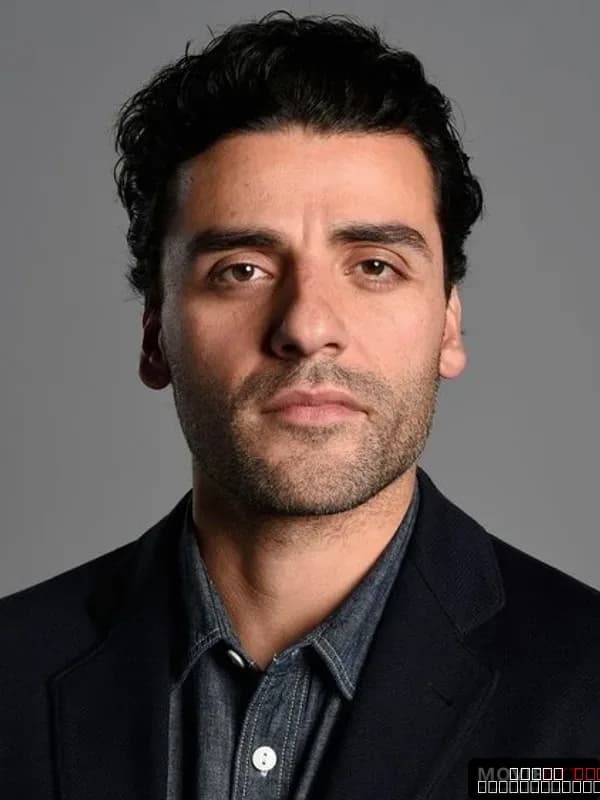
Scott brought together an impressive ensemble to realize this revisionist take on a timeless legend. The cast includes Cate Blanchett as Marion, Oscar Isaac as the conniving Prince John, Max von Sydow as the aging King Richard, and Mark Strong as the ambitious Nottingham—actors known for their range and commitment to character work. Written by Brian Helgeland, the screenplay drew on a story by Helgeland, Ethan Reiff, and Cyrus Voris, each contributing to a script that treats the Robin Hood myth as historical fiction rather than folklore. Produced by Imagine Entertainment, Relativity Media, and Scott Free Productions, the film arrived in theaters with a runtime of 134 minutes—a substantial commitment that reflects Scott's ambition to build a complete world. At the box office, the film grossed over $300 million globally, a solid performance that underscored audience appetite for adult historical action cinema. While it didn't dominate awards season in major categories, the film's technical craft—cinematography, production design, costume work—earned recognition within the industry. Rated PG-13, it aimed for broad accessibility while maintaining the weight of its themes.
What makes Robin Hood stand out as historical action cinema
What's striking about Scott's approach is that he doesn't treat the Robin Hood legend as sacred. Instead, he interrogates it—asking what conditions create an outlaw, what grievances justify rebellion, and whether individual heroism can actually change systemic corruption. Crowe anchors the film with a performance that's neither heroic posturing nor cynical detachment; there's a weariness to his Robin, a sense that he's being dragged toward leadership rather than seeking it. The action sequences—arrow volleys, horseback chases, siege warfare—aren't just spectacle; they're consequences of political failure. Blanchett brings intelligence and agency to Marion, refusing the role of passive love interest. What critics and audiences have wrestled with is whether the film's ambition matches its execution. Some viewers found the scope and revisionist angle refreshing—a Robin Hood that doesn't rely on whimsy but on the hard logic of medieval power dynamics. Others felt the pacing sagged, that the film's 134-minute runtime could've been tighter. The IMDb rating of 6.5/10 reflects this divided response: it's not a film everyone loves, but it's one that lingers with those who engage seriously with what it's attempting. You don't walk out humming the theme; you walk out thinking about taxation policy and the cost of justice.
Where to stream Robin Hood online
If you're ready to revisit Scott's medieval epic, Robin Hood is currently available on Prime Video. Movie OTT tracks where this title streams across platforms, so you can verify availability in your region before you settle in. The 134-minute runtime means you'll want a solid chunk of evening free—this isn't a film designed for half-attention viewing. The cinematography and production design reward a full screen and focused watching. Check the Where to Watch widget at the top of this page for the most current streaming information, since platform availability shifts seasonally.
Frequently asked questions
Q: Who directed Robin Hood and what's his filmography?
Ridley Scott directed the 2010 film. Scott's known for sweeping historical and science-fiction epics like Gladiator, Kingdom of Heaven, and The Martian. He brings that same visual ambition and thematic complexity to Robin Hood.
Q: Is Robin Hood based on a true story?
The film is based on the legendary Robin Hood myth, not a specific historical figure. However, Scott's screenplay grounds the story in the real political upheaval of 12th-century England—the Crusades, royal corruption, and peasant unrest—to give the legend historical texture.
Q: What's the runtime and rating for Robin Hood?
The film runs 134 minutes and is rated PG-13. It's a substantial historical drama that balances action with political intrigue, making it accessible to older teens and adults.
Q: Why is Robin Hood's IMDb rating 6.5?
The mixed rating reflects divided audience response. Some appreciate Scott's revisionist approach and the film's refusal to rely on legend alone; others find the pacing uneven or feel the film's scope doesn't fully justify its length. It's a film that works brilliantly for some viewers and frustrates others.
Q: How does Russell Crowe's Robin Hood compare to other versions?
Crowe's Robin is grittier and more politically engaged than comedic outlaw versions. He's closer to a reluctant military leader than a charming rogue, which aligns with Scott's interest in how personal circumstances force people into revolutionary roles.
Final thoughts on Robin Hood as revisionist historical cinema
Ridley Scott's Robin Hood isn't trying to be your favorite Robin Hood movie. It's trying to be something more interesting—a film that asks why we need the legend in the first place. Whether that ambition succeeds depends entirely on what you want from your historical action cinema. If you're looking for charm and adventure, you'll find yourself checking the clock. If you're drawn to films that treat medieval politics seriously and refuse easy answers about heroism, there's real substance here. It's worth the time.