What Salt and Fire is About
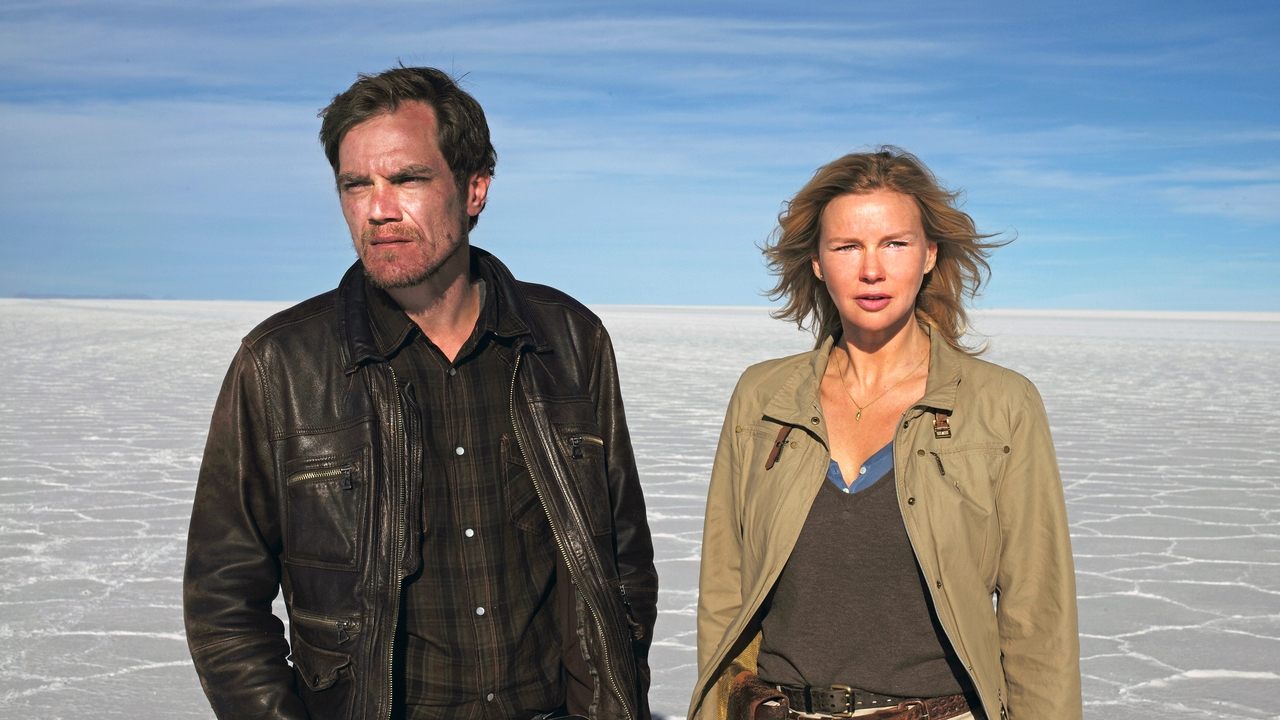
Salt and Fire tells the story of a hostage situation born from ecological conflict in the remote regions of Bolivia. A scientist blames the head of a large corporation for an environmental disaster, but their personal vendetta gets interrupted by something far bigger—a volcano showing dangerous signs of eruption. The film doesn't shy away from its high-concept premise: survival forces enemies to become reluctant allies, and nature becomes the ultimate arbiter of right and wrong. It's the kind of setup that promises tension, moral complexity, and spectacle.
Behind the Making of Salt and Fire
Werner Herzog, the legendary German filmmaker known for his obsessive documentaries and visionary narratives, wrote and directed Salt and Fire in 2016. The film brought together an international ensemble: Michael Shannon (known for his intensity in roles ranging from Nocturnal Animals to Take Shelter) anchors the cast, alongside Veronica Ferres and Gael García Bernal. Production involved multiple companies—Benaroya Pictures, Skellig Rock, Construction Film, Canana, International Film Trust, and The Fyzz—suggesting a genuinely global effort to bring Herzog's vision to screen.
The film premiered at the Shanghai International Film Festival before making its way to the Special Presentations section at the 2016 Toronto International Film Festival, a selection that signals festival prestige and Herzog's continued standing in the international film community. With a runtime of 98 minutes, it's lean and focused, though that brevity didn't translate to universal acclaim. The film earned three award nominations, a modest haul that hints at recognition in certain circles without broader industry validation. On the critical scorecards, Salt and Fire struggled: it holds a 33% on Rotten Tomatoes, a 44 Metascore, and a 4.2/10 rating on IMDb from over 3,000 votes. Those numbers don't lie—this is a film that divided viewers and critics significantly.
Why Salt and Fire Resonates Despite Its Flaws
What's striking about Salt and Fire is that it swings for genuine thematic weight. The film grapples with ecological responsibility, corporate malfeasance, and the question of whether redemption is even possible once catastrophe has struck—hence the tagline: "Sometimes redemption is out of reach." Herzog isn't interested in easy answers. He's layering environmental disaster, personal vendetta, and geological threat into a single narrative, which is ambitious even if the execution doesn't always hold together.
Michael Shannon's performance carries much of the film's emotional burden. Shannon's got this quality—a kind of coiled intensity—that works especially well when a character is wrestling with moral ambiguity and survival instinct simultaneously. The dialogue, though, is where many viewers found the film faltering. Real human speech doesn't always translate smoothly to screen, and Herzog's script sometimes feels stilted, like characters are delivering exposition rather than having conversations. That's not a small problem in a film that depends on tension between its leads.
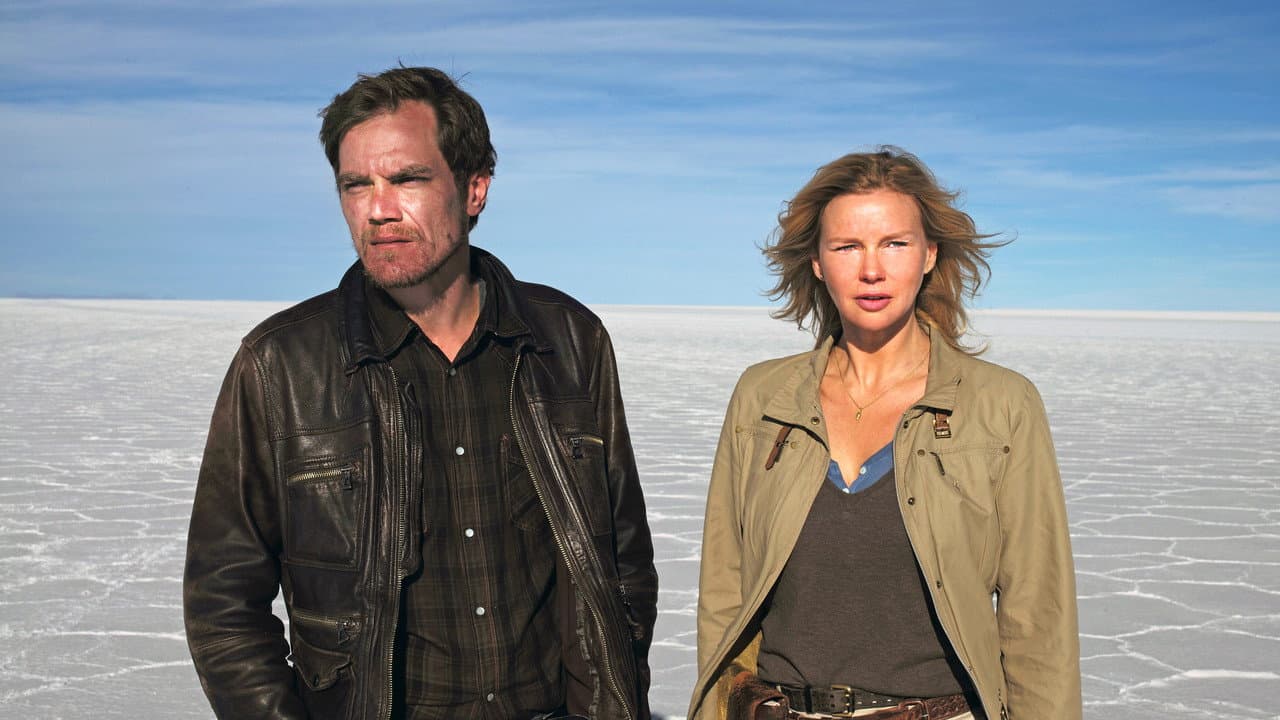
The South American setting—Bolivia's salt flats and volcanic landscape—becomes a character itself. Herzog has always been drawn to extreme environments, and the geography here isn't just backdrop. It's hostile, beautiful, indifferent to human drama. The volcano looming over the narrative serves as both literal threat and metaphor: nature doesn't care about corporate guilt or scientific righteousness. It erupts when it erupts.
How to Stream Salt and Fire Online
Salt and Fire is currently available across major OTT services, making it accessible if you want to experience Herzog's vision without hunting down a theatrical release (which, given the film's commercial performance, would be difficult anyway). The "Where to Watch" widget at the top of this page will show you exactly which platforms are carrying it right now—availability shifts, so checking there saves you the frustration of subscribing to the wrong service. Movie OTT tracks these shifts in real time, so you'll always know where to find it.
Frequently Asked Questions
Q: Who directed Salt and Fire?
Werner Herzog, the renowned German filmmaker, wrote and directed the film. Herzog is known for his documentaries and visionary approach to storytelling, bringing that same ambitious sensibility to this 2016 thriller.
Q: What is Salt and Fire's runtime?
The film runs 98 minutes, making it a relatively compact thriller that moves through its premise without excessive padding.
Q: Is Salt and Fire based on a true story?
No, it's an original screenplay written by Herzog. While the film engages with real environmental concerns and the geology of South America, the specific plot about a scientist, a corporate executive, and a volcano is fictional.
Q: Where can I watch Salt and Fire?
The film is available on major OTT platforms. Check the "Where to Watch" widget on this page for current availability in your region, as streaming rights vary by location and change over time.
Q: What awards did Salt and Fire win?
The film received three nominations total, though it didn't achieve major industry recognition. Its reception at festivals like Toronto and Shanghai was respectful rather than triumphant.
Final Thoughts on Salt and Fire
Salt and Fire is worth watching if you're curious about Herzog's work or interested in films that swing at big themes—ecology, corporate responsibility, survival—even if they don't always connect cleanly. It's not a film everybody will enjoy. The critical consensus is clear on that. But there's something admirable about a director willing to make a movie about environmental disaster and moral reckoning in an era of blockbuster escapism. Sometimes ambition matters more than execution, and Herzog's got plenty of both.