


The story of Scream 4: Sidney's homecoming turns deadly
When Sidney Prescott—the author of a self-help book and survivor of the original Woodsboro murders—returns to her hometown for the final stop of her book tour, she expects closure. What she gets instead is a knife in the dark. Scream 4 takes place fifteen years after the events of the original film, and the town that thought it had moved on discovers that some wounds don't stay closed. The reappearance of Ghostface, the masked killer who defined a generation of slasher films, sets off a fresh cycle of terror targeting a new crop of high school students alongside the original survivors. It's a story about legacy, obsession, and the way violence echoes through a community—but it's also a film that understands something crucial about how we consume horror in the age of social media and viral fame.
Behind the making of Scream 4: Craven, Williamson, and a franchise reborn
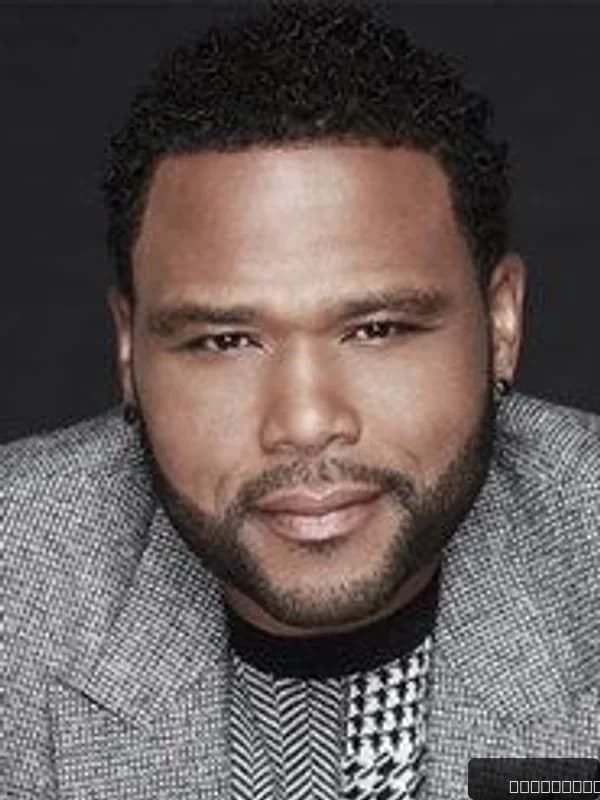
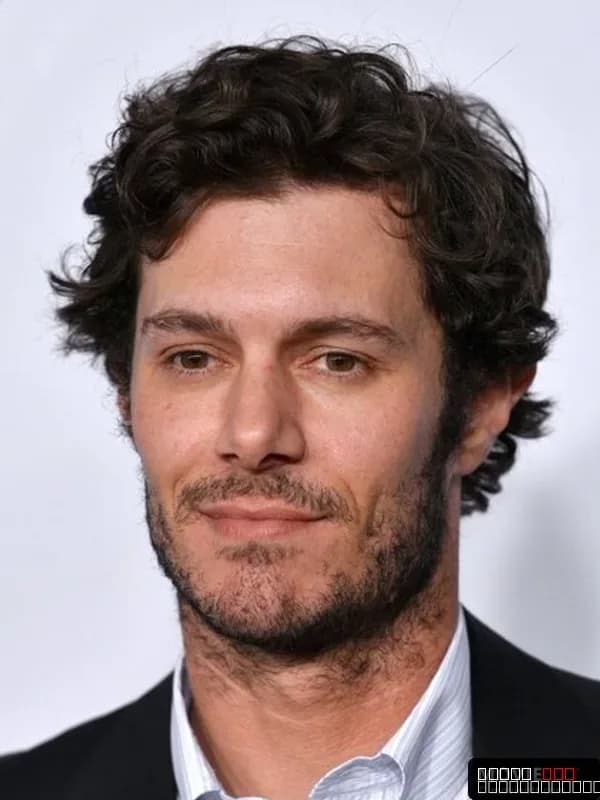
Scream 4 arrived eleven years after Scream 3, a gap that gave director Wes Craven and screenwriter Kevin Williamson time to consider what a slasher film meant in 2011. The production was helmed by Outerbanks Entertainment and distributed by Dimension Films, bringing back the original trio of David Arquette, Neve Campbell, and Courteney Cox to anchor the film alongside a roster of young talent including Emma Roberts, Hayden Panettiere, and Adam Brody. The ensemble cast also featured Anthony Anderson, Alison Brie, Rory Culkin, and Nico Tortorella—a mix of established names and rising stars that gave the film both continuity and fresh blood. Craven's return to the franchise he'd defined meant the film carried genuine weight; this wasn't a cash grab directed by committee. The runtime clocked in at 110 minutes, allowing space for both the extended kills that audiences expected and the mystery-box plotting that had always been central to Scream's appeal. While box office numbers weren't blockbuster territory, the film earned enough to justify its existence and proved there was still an appetite for meta-horror commentary—something that would become increasingly relevant as the franchise continued to evolve in later years.
What makes Scream 4 stand out: Brutal kills meet dark comedy and genuine mystery
What's striking about Scream 4 is how it refuses to simply repeat what worked before. Yes, there's the familiar formula—the masked killer, the phone calls, the rules of horror cinema invoked and subverted—but Craven and Williamson push the film toward something darker and more satirical than its predecessors. The violence here is genuinely visceral; reviewers consistently noted that the kill sequences pack a punch, creating real suspense rather than relying on jump scares alone. But the film doesn't wallow in gore for its own sake. Instead, it wraps that brutality in commentary about remakes, reboots, and the way horror itself had become a franchise obsessed with its own mythology. The performances anchor everything. Campbell brings a weary vulnerability to Sidney, a woman who thought she'd escaped this cycle; Cox and Arquette ground the film with the kind of worn-down authenticity that comes from playing these characters across decades. Emma Roberts, in particular, brings an unsettling energy—jealousy and ambition crackling beneath the surface. The mystery itself works because it respects the audience's intelligence; there's genuine misdirection here, and the eventual reveal lands with the kind of thematic punch that separates Scream from lesser slashers. I keep coming back to how the film uses social media and the hunger for internet fame as a lens through which to examine why people commit violence, making it feel urgent and contemporary rather than quaint.
Where to stream Scream 4 online: Current availability and how to watch
Scream 4 is currently available on Prime Video, where you can stream it as part of your subscription or rent it on demand. If you're looking to check where a title is streaming at any given moment, Movie OTT tracks current availability across multiple platforms—useful since streaming rights shift constantly and what's available today might vanish next month. The Where to Watch widget at the top of this page will show you exactly which services are carrying the film right now, so you can jump in without hunting around. At 110 minutes, it's a film that demands your full attention; don't try to half-watch this one while scrolling your phone, even if the film itself is making fun of people who do exactly that.
Frequently asked questions
Q: Who directed Scream 4?
Wes Craven directed Scream 4, marking his return to the franchise after Scream 3 in 2000. Kevin Williamson wrote the screenplay, reuniting the core creative team that had defined the series.
Q: Is Scream 4 a standalone film or do I need to watch the earlier movies?
You'll get more out of Scream 4 if you've seen the original trilogy, but it's not strictly necessary. The film does a decent job of catching new viewers up on the mythology, though longtime fans will catch layers of reference and callback that newcomers might miss.
Q: What's the IMDb rating for Scream 4?
The film holds a 6.2/10 rating on IMDb, reflecting mixed audience reactions—some viewers loved the fresh take on the formula, while others found the plot required more suspension of disbelief than they were willing to give.
Q: How does Scream 4 compare to the original Scream?
Scream 4 is darker and more cynical than the original, which makes sense given that it's commenting on a world that's already obsessed with Scream. The original is tighter and more innovative; Scream 4 is messier but more ambitious in what it's trying to say about horror, fame, and why we're drawn to violence.
Q: Does Scream 4 have a self-inflicted injury subplot?
Yes—one of the film's most disturbing elements involves a character's deliberate self-harm as part of the killer's manipulation. It's the kind of psychological cruelty the film uses to explore sociopathy and the masks people wear.
Final thoughts on Scream 4: Who should watch this film
Scream 4 works best for viewers who appreciate slasher films that know they're slasher films. If you want straightforward jump scares and simple good-versus-evil plotting, look elsewhere. But if you're interested in horror that comments on itself, that uses dark comedy to explore why violence fascinates us, and that features performances grounded enough to make the bloodshed matter—then this is worth your time. It's a film that understands Woodsboro has become a character itself, a place cursed by its own mythology. That's the real horror here. Don't miss it.