
The Story of Screams of a Winter Night
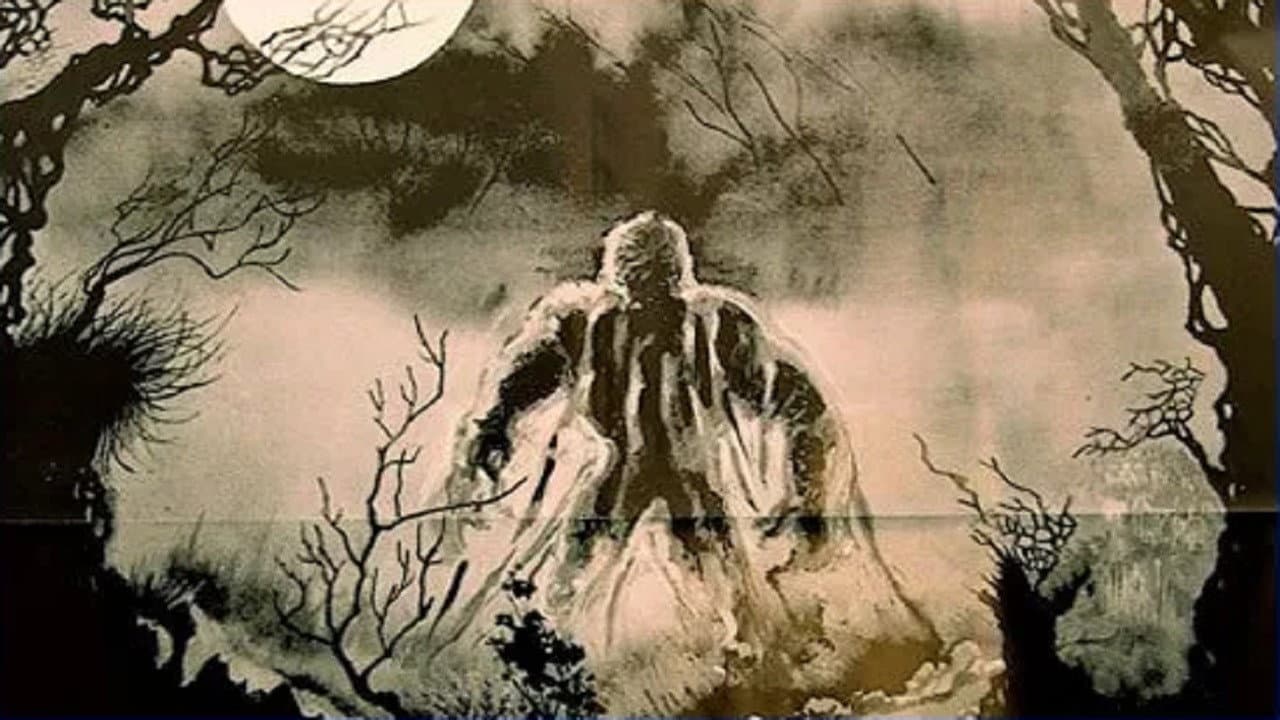
Screams of a Winter Night follows ten college friends who decide to spend a winter weekend camping at Lake Durand. What seems like a straightforward getaway quickly turns ominous once they discover their shelter: an old cabin with a sinister past. The original owners were found dead inside, and local Native American folklore points to something far worse than mere accident — a malevolent spirit called Shataba is said to haunt the place. As night falls and temperatures drop, the group settles in and begins telling each other scary stories. It's the kind of setup that works because it's intimate and claustrophobic, trapping viewers alongside the characters as darkness presses in from all sides.
The film's framing device — stories within a story — creates layers of dread. Each tale the students share carries its own logic and terror, yet they're all contained within the larger, creeping threat of their actual surroundings. That's the real hook. We're not just watching a single narrative arc; we're experiencing multiple small horrors that build toward something larger, something waiting just outside the cabin walls.
Behind the Making of Screams of a Winter Night
Screens of a Winter Night arrived in 1979 under the banner of Full Moon Pictures, a production company that would become known for scrappy, low-budget horror ventures throughout the 1980s and beyond. Director James L. Wilson helmed the project with a cast anchored by Matt Borel, Gil Glasgow, and Mary Agen Cox. The film clocks in at 118 minutes — a fairly generous runtime for a horror anthology, suggesting Wilson wasn't interested in rushing through his material. With an IMDb rating of 4.731/10, the film hasn't aged into critical favor, but that score tells only part of the story about its place in horror cinema.
Production-wise, the film represents a particular moment in American horror: the tail end of the 1970s, when slasher films were beginning to dominate the landscape, yet anthology and ghost-story traditions still held sway. Full Moon Pictures was operating on modest means, which meant the filmmakers had to rely on atmosphere, practical effects, and storytelling craft rather than big-budget set pieces. The cast wasn't composed of household names (and hasn't become so in the decades since), but that anonymity actually works in the film's favor — these feel like real college kids, not actors playing roles. There's a roughness to the whole enterprise that's hard to fake with bigger budgets and bigger stars.
What Makes Screams of a Winter Night Stand Out
What's striking about Screams of a Winter Night is how it commits to the anthology structure without cynicism. The film doesn't treat the framing narrative as a thin excuse to string together unrelated tales; instead, it uses the cabin, the cold, and the legend of Shataba as genuine connective tissue. Each story the students tell feels like it's responding to their actual predicament — they're not just killing time, they're processing fear through narrative. That's a more sophisticated approach than it might initially appear.
The performances, while unpolished by modern standards, carry a kind of earnest vulnerability. These aren't characters delivering exposition or winking at the camera; they're genuinely unsettled people trying to make sense of where they are. I keep coming back to how the film trusts its premise: a group of young people in an old house with a dark history, telling ghost stories as night deepens. That's it. No elaborate plot mechanics, no final-act twists that undermine everything. Just escalating dread and the slow realization that maybe the stories they're telling aren't just entertainment — maybe they're warnings.
The thing that holds Screams of a Winter Night back from broader appreciation is likely its uneven pacing and the variable quality of the individual stories within the anthology. Some segments land with genuine creepy impact, while others feel a bit sluggish or underdeveloped. But that unevenness is also part of its charm — it feels like something made by people learning as they went, not a slick machine optimized for maximum scares.
Where to Stream Screams of a Winter Night Online
Screams of a Winter Night is available on major OTT services, and you can check the Where to Watch widget at the top of this page to see exactly which platforms currently carry the film in your region. Streaming rights shift constantly, so if you're planning a 1979 horror marathon, it's worth confirming availability before settling in. Movie OTT tracks these changes across services, making it easier to find where your next late-night watch is hiding. The film's 118-minute runtime makes it a solid commitment for a single sitting — long enough to build atmosphere, short enough that you won't feel like you've lost an entire evening.
Frequently asked questions
Q: Who directed Screams of a Winter Night?
James L. Wilson directed the film, bringing his vision of interconnected horror stories to the screen in 1979 through Full Moon Pictures.
Q: Is Screams of a Winter Night based on a true story?
No, the film is a work of fiction, though it draws on common horror tropes like cursed cabins and vengeful spirits from folklore. The legend of Shataba is created for the film's narrative.
Q: How long is Screams of a Winter Night?
The film runs 118 minutes, giving the anthology format room to breathe and develop multiple storylines within the cabin setting.
Q: What's the plot of Screams of a Winter Night?
Ten college friends spend a winter weekend in an old cabin at Lake Durand with a dark history. As night falls, they tell each other scary stories while the legend of a malevolent spirit called Shataba looms over their stay.
Q: Where can I watch Screams of a Winter Night?
The film is available on major OTT platforms. Check the Where to Watch section at the top of this page for current streaming availability in your area.
Final Thoughts on Screams of a Winter Night
Screams of a Winter Night isn't a masterpiece, and it won't convert skeptics into devoted fans. But it's a film worth tracking down if you're genuinely interested in how horror storytelling worked before the genre calcified into familiar formulas. There's something refreshing about its commitment to mood and its willingness to let stories breathe. If you're hunting for 1970s horror that doesn't rely on jump scares or gore — something slower, stranger, more focused on atmosphere — this one's worth the 118-minute investment. It won't scare everyone. But that's kind of the point with stories, isn't it?