The Story of Scrooge
Ebenezer Scrooge is a man who's made a life out of counting coins instead of blessings. This 1951 adaptation of Charles Dickens's beloved novella follows the bitter old miser through a single, transformative Christmas Eve. When three spectral visitors arrive—the ghosts of Christmas Past, Present, and Yet to Come—Scrooge is forced to confront the choices that made him who he is, and given a rare chance at redemption before it's too late. It's the story we've all heard, but rarely told with this much conviction. The film doesn't rely on sentimentality or spectacle to move you; instead, it trusts in character, atmosphere, and the quiet power of a man seeing himself clearly for the first time.
Behind the Making of Scrooge
Director Brian Desmond Hurst brought Dickens to the screen with remarkable restraint for 1951. Working from a screenplay by Noel Langley, Hurst crafted a production that feels intimate despite its period scope—no grand set pieces, no melodramatic flourishes, just a story told straight. The cast assembled around Alastair Sim was stellar: Michael Hordern as Marley (the ghost who sets everything in motion), Kathleen Harrison as the warm-hearted Mrs. Cratchit, George Cole as the younger Scrooge, and Mervyn Johns in a supporting role that anchors the emotional core of the narrative. What's striking is how the film never feels like a costume drama or a dusty literary adaptation. Instead, it moves with the pace of a thriller—you're genuinely unsure where Scrooge's journey will end, even though you've heard this tale a dozen times before.
The production values were modest by design. There's no cutting-edge technology here, no elaborate effects to distract from performance. Peter Bull narrates portions of Dickens's own words at the film's beginning and end, which creates a literary bridge between page and screen that most adaptations miss entirely. The black-and-white cinematography captures the cold, snowy London streets with a bleakness that makes Scrooge's eventual warmth feel earned rather than imposed. For a film made in 1951, it's held up remarkably well—better, in fact, than many lavishly budgeted remakes that came after.
What Makes Alastair Sim's Scrooge Stand Out
Alastair Sim is simply the best Ebenezer Scrooge ever filmed. That's not hyperbole—it's what audiences and critics have consistently agreed upon when comparing his performance to every version that's come since, from the Disney animated film to the 2019 television miniseries with Guy Pearce. Sim doesn't play Scrooge as a caricature of greed; he plays him as a man who's built walls so high that he's forgotten there's a world outside them. Watch his face in the early scenes—there's a brittleness there, a kind of desperate control masquerading as strength. When the ghosts arrive, Sim's transformation isn't sudden or theatrical. It's gradual, painful, real. He doesn't leap into redemption; he stumbles toward it, fighting himself every step of the way.
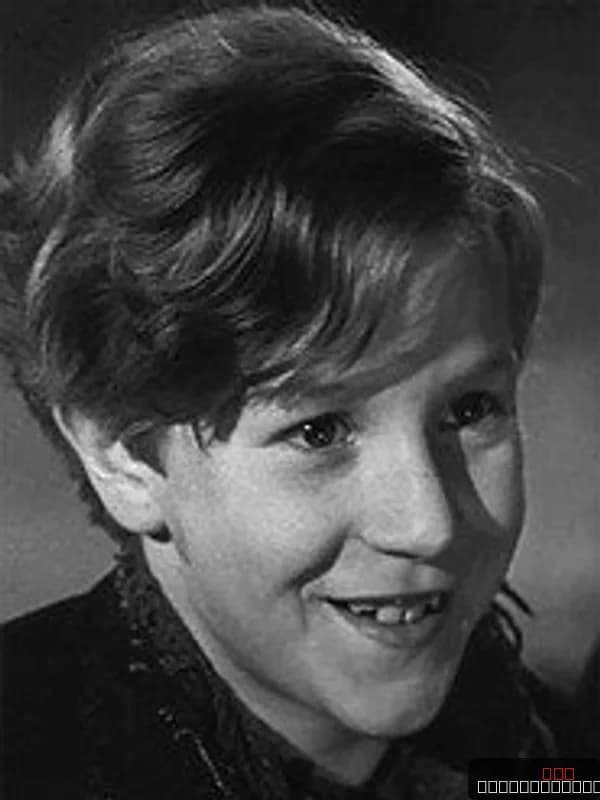
What nobody mentions is how much comedy Sim brings to the role without ever undercutting the drama. There's a scene where Scrooge, caught between terror and wonder at the ghosts' revelations, cycles through expressions of disbelief so quickly you'll find yourself laughing even as your heart breaks for him. Michael Hordern's Marley is suitably menacing—a warning wrapped in chains and regret—while George Cole's portrayal of young Scrooge gives us the man before the money corrupted him, which makes the film's central tragedy land with real weight. The supporting cast, from Mervyn Johns to Kathleen Harrison, create a world that feels lived-in and specific rather than theatrical.
Critical consensus has long held that this 1951 film succeeds not because of advanced production values or cutting-edge special effects, but because it understands that Dickens's story is fundamentally about character and conscience. The ghosts are terrifying partly because they're so spare in their presentation—no elaborate costumes or supernatural bombast, just presence and purpose. The film trusts you to feel the weight of Scrooge's reckoning without needing to spell it out. That restraint is what separates a good adaptation from an unforgettable one.
Where to Stream Scrooge Online
If you're looking to watch this classic this holiday season, you can find Scrooge currently streaming on Prime Video. The film's availability changes seasonally (it tends to pop up around the holidays), so if you're reading this in December, you're in luck. Movie OTT tracks current streaming availability across platforms, so you can check the Where to Watch widget at the top of this page for the most up-to-date information on where it's available in your region. At 82 minutes, it's a lean, efficient watch—no padding, no filler, just the story Dickens told and a performance that's worth your time. Don't sleep on this one because it's old; watch it because it's genuinely great.
Frequently asked questions
Q: Who directed Scrooge and when was it released?
Brian Desmond Hurst directed the film, which was released in 1951. Hurst worked from a screenplay by Noel Langley and crafted a remarkably restrained adaptation that's held up better than many modern remakes.
Q: Is Scrooge based on a true story?
No, Scrooge is based on Charles Dickens's 1843 novella A Christmas Carol, a work of fiction. However, Dickens drew inspiration from real social conditions of Victorian England and his own observations of poverty and greed.
Q: How does Alastair Sim's performance compare to other Scrooge actors?
Sim is widely considered the definitive Scrooge across all film and television adaptations. His nuanced portrayal—combining brittleness, terror, and eventual warmth—outshines later versions, including animated and modern live-action interpretations.
Q: What's the runtime and is it appropriate for kids?
The film runs 82 minutes and is rated for family viewing. It's a drama with fantasy elements, so while it's suitable for older children, younger viewers might find the ghost sequences a bit intense.
Q: Where can I watch Scrooge right now?
Scrooge is currently available on Prime Video. Check the Where to Watch widget on this page or visit Movie OTT to confirm availability in your region, as streaming rights vary by location.
Final Thoughts on Scrooge
There's a reason this film keeps resurfacing every December. It's not nostalgia or obligation—it's that Scrooge, the 1951 version, understands something fundamental about redemption that most stories miss. It's not easy. It's not comfortable. Scrooge doesn't wake up a new man; he wakes up terrified, humbled, and determined to change. That's human. That's real. If you've never seen this version, or if you've only caught the Muppet Christmas Carol or the animated Disney take (both wonderful in their own ways), make time for Hurst's film. It'll remind you why Dickens's story has endured for nearly two centuries, and why Alastair Sim's interpretation of that story remains unmatched.