Unpacking the High-Octane Plot of Gone in 60 Seconds
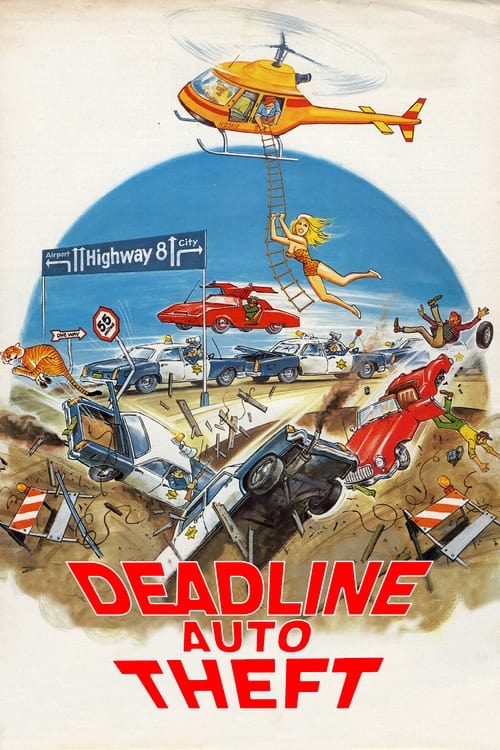
Maindrian Pace isn't just an insurance investigator; he's the mastermind behind an elite, seemingly unstoppable car theft syndicate. Living a thrilling double life, Pace and his crew tackle their biggest challenge yet: stealing 48 specific cars for a demanding South American drug lord. With most of the vehicles already "in the bag," their attention turns to the final, most elusive target—a striking 1973 Ford Mustang fastback, affectionately codenamed "Eleanor." As Pace meticulously plans the rip-off of Eleanor in Long Beach, he remains blissfully unaware that a business dispute has turned sour, leading his boss to tip off the police. The stage is set for a high-stakes confrontation, a desperate race against time.
The Audacious Independent Spirit Behind Gone in 60 Seconds' Production
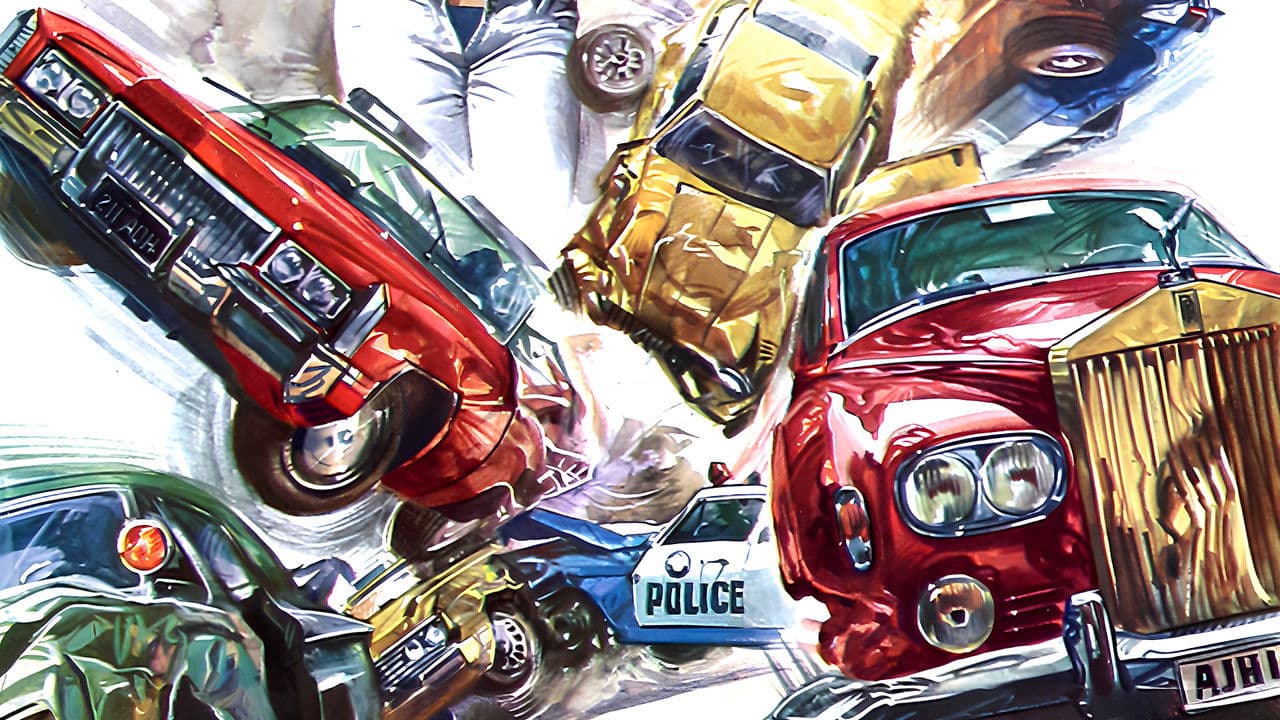
Gone in 60 Seconds, released in 1974, isn't just a movie; it's a testament to the raw, unbridled vision of H.B. Halicki. Halicki truly was a one-man show, not only writing, directing, and producing the film but also taking on the starring role as Maindrian Pace. This independent production, helmed by Halicki Productions and H.B. Halicki Mercantile Co., eschewed major studio backing, allowing for a creative freedom that’s palpable in every frame. Movie OTT, for instance, often highlights how independent films like this can achieve cult status through sheer force of vision. The film's legendary status largely stems from its practical effects and, most famously, a monumental 40-minute car chase scene — a record-setter that saw an astonishing 93 cars destroyed. Can you imagine the logistics? It’s pure, unadulterated automotive chaos.
This isn't just a standalone spectacle, either. Gone in 60 Seconds is the foundational first installment in what became the Gone in 60 Seconds Trilogy, a series that cemented Halicki's legacy in car-centric action cinema. The film's gritty, realistic approach to stunts, often performed by Halicki himself, gives it an authenticity that modern CGI often struggles to replicate. It's a film that doesn't just show you a chase; it drags you into the driver's seat. While it didn't rack up traditional awards, its IMDb rating of 6.237/10 reflects a strong appreciation from audiences who value its unique, visceral energy. As film historian Paul G. Smith once wrote, "Halicki didn't just make a movie; he orchestrated a symphony of destruction with a camera." That's the spirit.
The Enduring Appeal and Cult Status of Gone in 60 Seconds
What makes Gone in 60 Seconds stand out decades later isn't its polished narrative or complex character arcs, but its sheer, unadulterated spectacle and a certain rebellious charm. The film leans heavily into its practical effects, delivering car stunts that feel genuinely dangerous because, well, they often were. Halicki’s decision to perform many of his own stunts, including the infamous jump in "Eleanor" at the end of the chase — a jump that compressed his spine — speaks volumes about the commitment to realism. It's this commitment that gives the film its visceral edge, making audiences feel every screech of tires and every crunch of metal. Honestly, I keep coming back to that chase. Relentless.
The film's critical reception, reflected in its 6.237/10 IMDb rating, suggests it’s not for everyone, but for those who appreciate raw, unfiltered action, it’s a masterpiece. Maindrian Pace isn't your typical hero; he's an anti-hero driven by the thrill of the steal, and his obsession with "Eleanor" adds a strangely personal touch to the vehicular carnage. The pacing, especially during the climactic chase, is relentless, a masterclass in building tension through sheer velocity and mechanical mayhem. The thing nobody mentions is how much the film captures a specific, greasy, gearhead aesthetic of the era, a kind of gritty romanticism for American muscle cars and the open road. Pure chaos. For action purists, it's a must-watch, a testament to what practical stunt work can achieve when pushed to its absolute limits, creating a cinematic experience that truly feels earned.
Finding Gone in 60 Seconds on Streaming Platforms
For those eager to experience the original automotive mayhem of Gone in 60 Seconds, you'll be pleased to know it's currently available on major OTT services. This means that whether you subscribe to one of the big players or a niche platform, there's a good chance you can stream this iconic 1974 action flick right now. To pinpoint exactly where to watch Gone in 60 Seconds in your region, simply consult the "Where to Watch" widget displayed prominently at the top of this page. That widget provides real-time availability across all platforms. Movie OTT makes it easy to track down cult classics like this, ensuring you don't miss out on its legendary car chase and independent spirit. We’re always updating our listings, so you’ll get the most accurate information.
Frequently asked questions
Q: When was the original Gone in 60 Seconds released?
The original Gone in 60 Seconds premiered in 1974. It was an independent production, written, directed, produced by, and starring H.B. Halicki.
Q: Who directed Gone in 60 Seconds (1974)?
H.B. Halicki was the multifaceted talent behind the 1974 film, serving as its writer, director, producer, and lead actor. His unique vision shaped this action classic.
Q: What is the runtime of Gone in 60 Seconds?
The film runs for 105 minutes, a runtime that includes its famous 40-minute car chase sequence. This extended chase is a significant portion of the movie's total length.
Q: Is Gone in 60 Seconds part of a franchise?
Yes, the 1974 film is the first installment in the Gone in 60 Seconds Trilogy. It established the foundation for a series known for its intense automotive action.
Q: What is the IMDb rating for Gone in 60 Seconds (1974)?
As of now, the 1974 version of Gone in 60 Seconds holds an IMDb rating of 6.237/10. This rating reflects its enduring appeal among action film enthusiasts and cult cinema fans.
Final Verdict: Why You Need to Watch Gone in 60 Seconds
If you're a fan of old-school action cinema, particularly films that prioritize practical effects and raw, visceral thrills over polished CGI, then Gone in 60 Seconds is an absolute must-watch. It’s a foundational piece of car chase cinema, showcasing an unparalleled dedication to automotive destruction and stunt work. This isn't just a movie; it's an experience, a gritty, adrenaline-fueled ride that captures the independent spirit of 1970s filmmaking. You'll be on the edge of your seat during that legendary chase, I promise. For anyone curious about the roots of modern action movies, or simply looking for a wild ride, this original Halicki classic won't disappoint.