

The story of Seven Psychopaths
Seven Psychopaths follows Marty Faranan, a struggling screenwriter in Los Angeles who's desperate to finish his screenplay—also titled "Seven Psychopaths." His best friend Billy Bickle, a small-time con artist, drags him into a dangerous scheme involving stolen dogs. What starts as a seemingly simple kidnapping job spirals into something far more sinister when it becomes clear they've stolen the wrong dog—one belonging to a ruthless gangster who'll stop at nothing to get it back. The collision between Marty's artistic ambitions, Billy's chaotic energy, and the criminal underworld creates a narrative that's equal parts hilarious and genuinely tense. Themes of violence, redemption, and artistic integrity weave throughout, forcing the characters to confront what they're willing to do—and sacrifice—in pursuit of their goals.
Behind the making of Seven Psychopaths
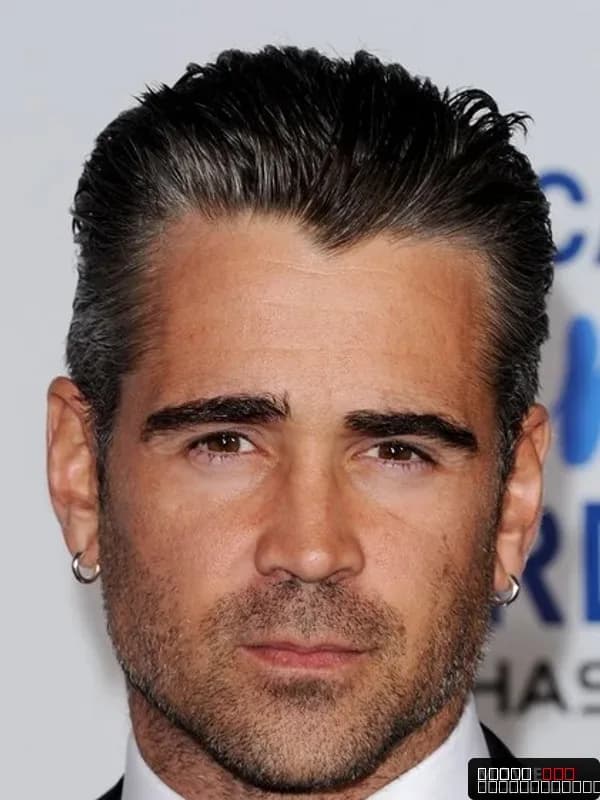
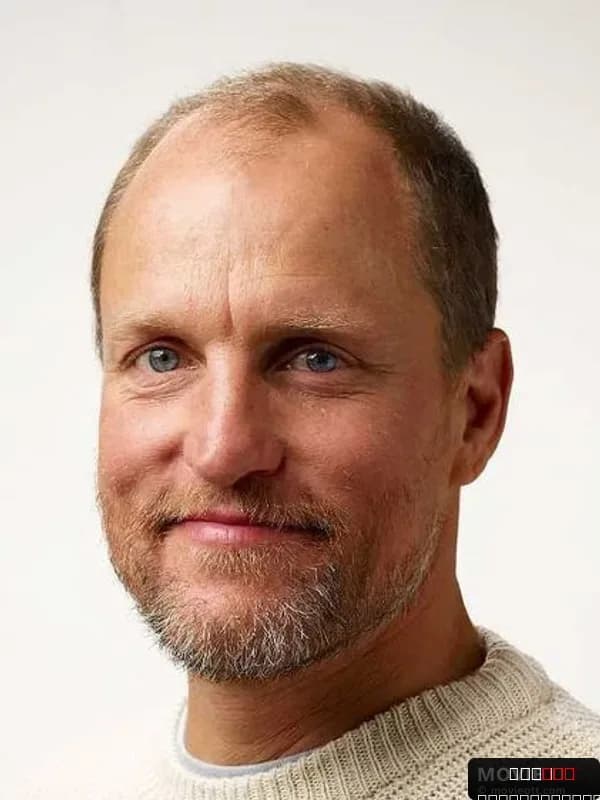
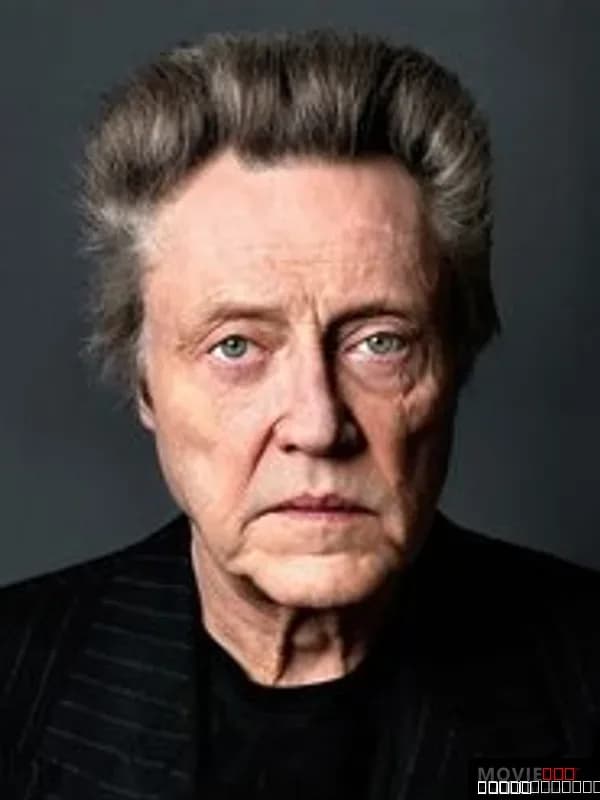
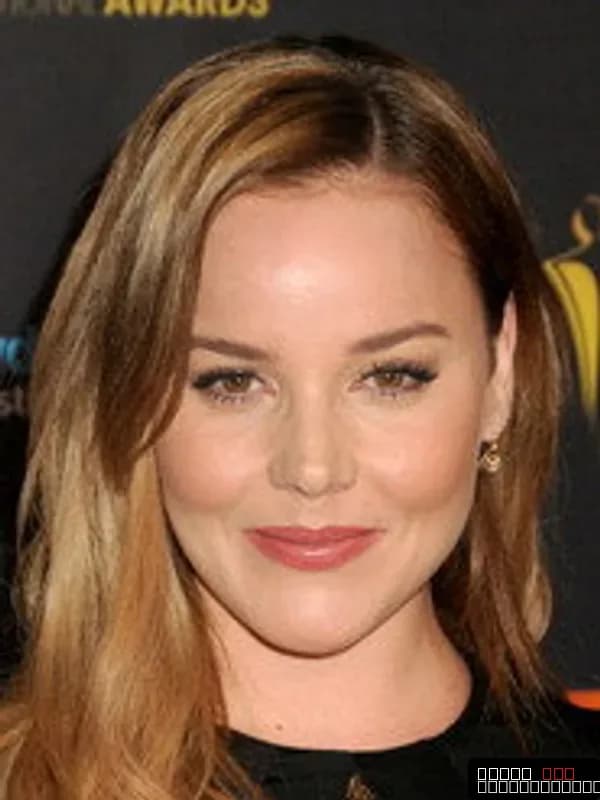
Director Martin McDonagh brought Seven Psychopaths to life in 2012, building on the success of his previous film In Bruges. The ensemble cast reads like a dream lineup: Colin Farrell as the conflicted screenwriter, Sam Rockwell as the unpredictable Billy, Woody Harrelson as the grieving gangster, and Christopher Walken delivering one of his most memorable performances as a philosophical crime boss. Tom Waits, Abbie Cornish, and Olga Kurylenko round out the supporting cast, each bringing weight to their roles. The film earned an R rating and runs 110 minutes—a runtime that allows McDonagh's script to breathe while maintaining relentless momentum. Though it pulled in $15 million at the box office, the film's true success came through critical recognition: it earned 3 wins and 21 total nominations, including a BAFTA nomination. On Rotten Tomatoes, it holds a fresh 82%, while Metascore rated it 66/100, and it sits at a solid 7/10 on IMDb from nearly 300,000 votes. This critical consensus speaks to McDonagh's ability to balance commercial appeal with artistic ambition—no small feat in the crime-comedy space.
What makes Seven Psychopaths stand out
What's striking about Seven Psychopaths is how it refuses to stay in one lane. You'll get laugh-out-loud moments—genuine belly laughs—followed by scenes of real menace that make you genuinely uncomfortable. That tonal whiplash shouldn't work, but it does, largely because McDonagh trusts his audience to keep up. Sam Rockwell's performance as Billy is a masterclass in controlled chaos; he's simultaneously endearing and terrifying, which is exactly what the character demands. Christopher Walken, meanwhile, brings a philosophical gravitas to what could've been a one-note villain role—his monologues about morality and violence feel earned rather than preachy. The screenplay itself is clever without being show-offy. There's a meta layer where Marty's struggles writing his screenplay mirror the actual film we're watching, and McDonagh plays with this in ways that feel organic rather than gimmicky. The thing nobody mentions is how genuinely sad the film gets in its final act—it earns its emotional beats through character work, not manipulation. The action sequences are sharp and inventive, the dialogue crackles, and there's real craft in how scenes build and escalate. It's a film that understands violence as both consequence and spectacle, and doesn't let audiences off the hook by making either one comfortable.
Where to stream Seven Psychopaths online
Seven Psychopaths is available on major OTT services, and Movie OTT tracks current streaming availability across all platforms in real time. Rather than hunting through multiple apps, you can check the "Where to Watch" widget at the top of this page to see which service carries it in your region right now. Streaming rights shift regularly, so if it's not on your usual platform today, it may appear elsewhere within weeks. Movie OTT's aggregator approach means you'll always know where to find it without the guesswork. The film's 110-minute runtime makes it perfect for a single sitting, and the R rating means it's designed for adult viewers who can handle its blend of dark humor and genuine violence.
Frequently asked questions
Q: Who directed Seven Psychopaths?
Martin McDonagh directed Seven Psychopaths in 2012. McDonagh is known for his distinctive blend of dark comedy and crime drama, having previously directed In Bruges and later went on to make Three Billboards Outside Ebbing, Missouri.
Q: Is Seven Psychopaths based on a true story?
No, Seven Psychopaths is an original screenplay written by Martin McDonagh. While it captures the atmosphere and tone of crime stories, it's a fictional narrative created specifically for the film.
Q: What's the runtime and rating of Seven Psychopaths?
Seven Psychopaths has a runtime of 110 minutes and is rated R for strong violence, language, and some drug use. It's designed for mature audiences who can handle its darker themes.
Q: How much did Seven Psychopaths make at the box office?
The film earned $15,024,049 at the worldwide box office. While that's modest by blockbuster standards, its critical success and awards recognition made it a significant achievement for an original crime-comedy.
Q: Where can I watch Seven Psychopaths?
Seven Psychopaths is available on major streaming platforms. Check the "Where to Watch" widget on this page to see which services currently have it available in your area, as streaming rights vary by region and change over time.
Final thoughts on Seven Psychopaths
Seven Psychopaths rewards repeat viewings. On first watch, you're caught up in the plot mechanics and the performances. On a second viewing, you notice the craft—how scenes echo each other, how dialogue callbacks land harder, how McDonagh structures the whole thing like a screenplay within a screenplay. It's not a perfect film (some might find the meta elements heavy-handed), but it's an ambitious one that swings for the fences. If you're drawn to crime comedies that don't insult your intelligence, or you want to see Colin Farrell and Sam Rockwell at the top of their game, this one's essential viewing. It's the kind of film that makes you want to discuss it afterward—which, honestly, is rarer than it should be.