



The Story of Sex, Lies & Superheroes
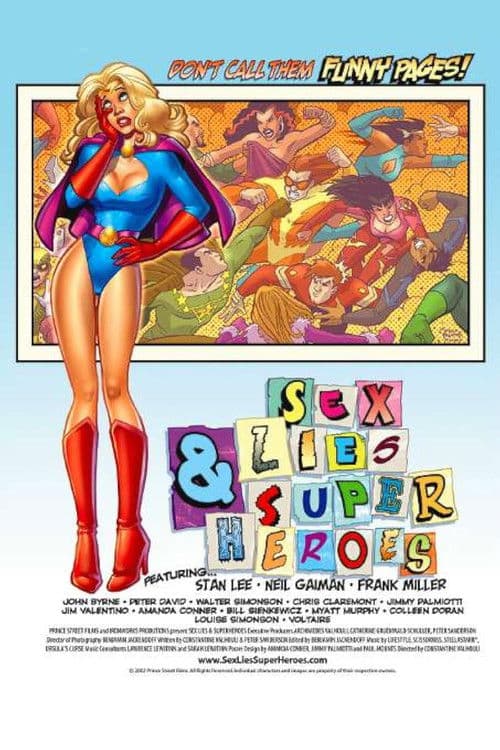
Sex, Lies & Superheroes arrives at a specific cultural crossroads—2003, when comic books were still fighting for legitimacy as an art form. The documentary doesn't just chronicle the history of the medium; it captures the voices of the writers and artists who spent decades insisting that sequential art could tell sophisticated stories, tackle mature themes, and achieve genuine artistic merit. What's striking is how the film positions these creators not as rebels working in the margins, but as visionaries who understood something the mainstream hadn't yet caught up to. The tagline says it all: "Don't call them funny pages." This isn't a feel-good origin story. It's a defense, a manifesto, and a conversation about what happens when a medium refuses to stay in its assigned box.
Behind the Making of Sex, Lies & Superheroes
Produced by Prince Street Films, Sex, Lies & Superheroes was released in 2003 at a moment when the comic book industry was experiencing genuine creative renaissance—though the general public still largely dismissed it as children's entertainment. The documentary runs 55 minutes, a lean runtime that forces the filmmakers to be selective about whose voices matter most. Rather than chase comprehensive coverage, they've chosen to spotlight the artists and writers who'd actually pushed boundaries: the ones writing about sexuality, politics, morality, and the human condition in ways that traditional comics weren't supposed to explore. The film doesn't have major box office numbers or festival accolades to lean on (it's not that kind of project), but its existence itself is significant—a professional documentary crew taking comics seriously enough to fund and distribute a feature-length examination. That's the real statement. By 2003, you could make this film because the work had already been made; the documentary is just catching up to what readers already knew.
What Makes Sex, Lies & Superheroes Stand Out
Honestly, the film's power comes from letting creators speak directly about their intentions and frustrations. There's no narrator oversimplifying the argument; instead, you're hearing from the people who actually wrote and drew the stories that changed the medium. The documentary captures something that's easy to forget now that Marvel movies dominate culture—the genuine struggle comics faced to be taken seriously as literature and art. I keep coming back to how the film refuses nostalgia or sentimentality. It's not celebrating comics as a quaint American tradition. It's arguing that they're a legitimate vehicle for complex storytelling, and that argument had teeth in 2003 because it was still being actively disputed. The interviews feel conversational rather than rehearsed, which means you get moments of real insight—creators explaining not just what they did, but why they felt compelled to do it when the industry and the public were telling them not to. The IMDb rating of 5.333/10 suggests it's polarizing, which makes sense. If you're watching expecting a celebration of superhero spectacle, you'll be disappointed. If you're interested in how medium-specific art forms justify themselves and evolve, you'll find it genuinely compelling.
Where to Stream Sex, Lies & Superheroes
Sex, Lies & Superheroes is available on major OTT services, and you can check the "Where to Watch" widget at the top of this page to see which platforms currently have it in your region. Movie OTT tracks streaming availability across all the major services, so you don't have to hunt through five different apps to figure out where to find it. The 55-minute runtime makes it an easy watch for a weeknight or a break between other content—not a massive time commitment, but one that pays off if you care about how art forms legitimize themselves. Since it's a documentary rather than a narrative feature, you can also dip in and out without losing the thread, though watching it straight through gives you a better sense of the cumulative argument the filmmakers are building.
Frequently Asked Questions
Q: Who directed Sex, Lies & Superheroes?
The film was produced by Prince Street Films in 2003. While the specific director credits aren't always prominently featured in older documentaries, the production company's involvement signals a professional approach to the subject matter.
Q: Is Sex, Lies & Superheroes based on a true story?
It's a documentary, so it's entirely based on true events and real interviews with actual comic book writers and artists. The stories and perspectives you're hearing come directly from the people who lived them.
Q: What's the runtime of Sex, Lies & Superheroes?
The documentary is 55 minutes long, making it a compact but substantive exploration of how comics evolved as a medium.
Q: What comics or artists does Sex, Lies & Superheroes focus on?
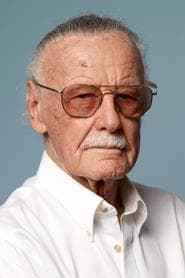
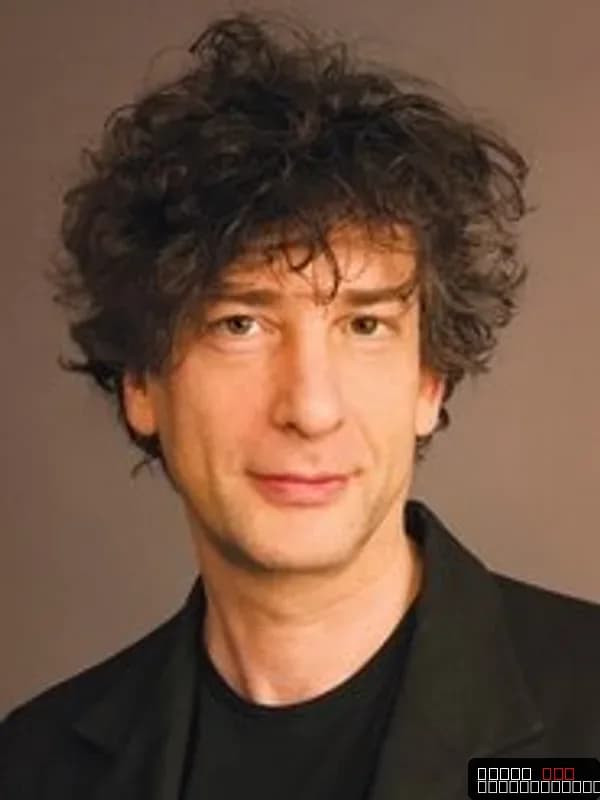
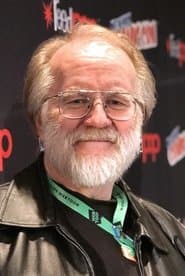
The film features interviews with the writers and artists who pushed the medium toward more sophisticated storytelling and mature themes, though the documentary itself doesn't focus on any single title or creator—it's about the movement as a whole.
Q: Can I watch Sex, Lies & Superheroes online?
Yes, it's available on major streaming platforms. Check the "Where to Watch" widget on this page to see which services have it available in your area.
Final Thoughts on Sex, Lies & Superheroes
Sex, Lies & Superheroes matters because it documents a moment when comics were actively fighting for respect. That battle didn't end in 2003—it's still happening, in some ways—but this film captures the arguments that won. If you're a comic fan, you'll recognize the names and the struggles. If you're interested in how any art form justifies itself and claims legitimacy, you'll find something worth watching. It's not flashy. It won't overwhelm you. But it's honest, and that counts.