



What Sharktopus is really about
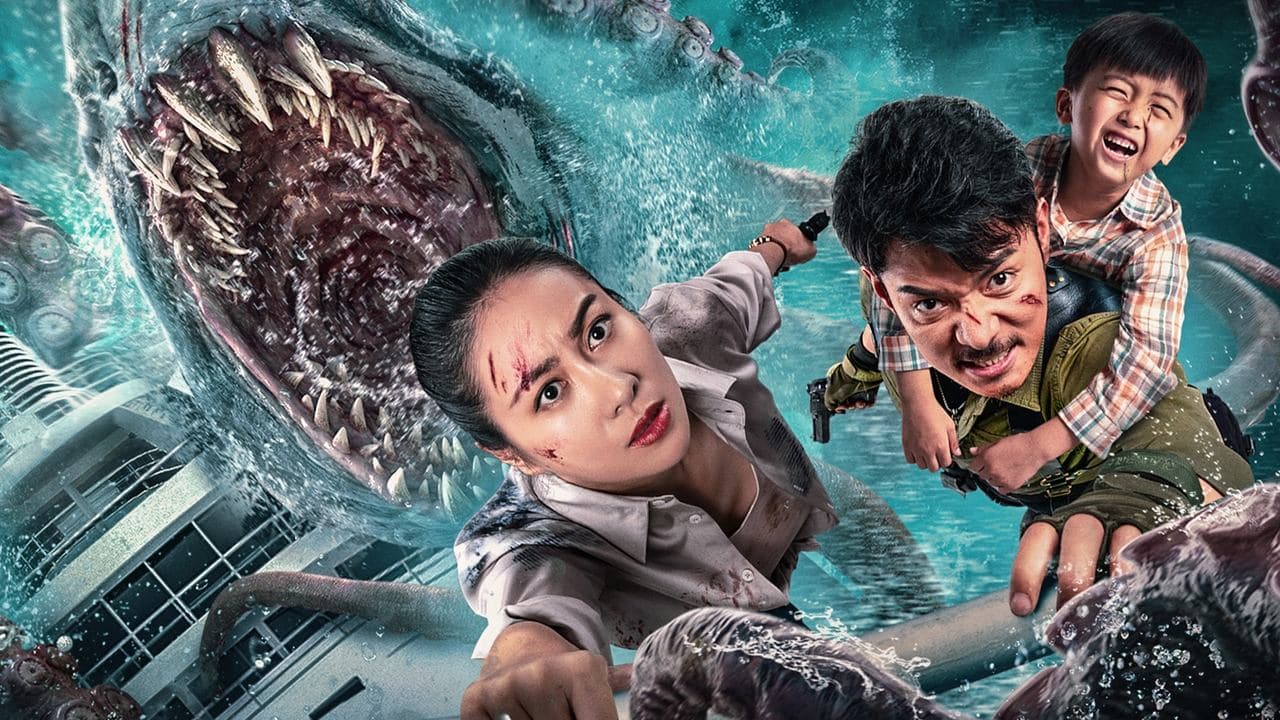
Sharktopus drops you directly into nightmare territory: a group of unsuspecting cruise ship passengers suddenly finds itself under siege by something that shouldn't exist. The creature—part shark, part octopus, wholly lethal—turns a vacation into a survival horror scenario. There's no time for setup, no lengthy exposition about how this thing came to be. The film respects your time and your appetite for creature mayhem, jumping straight into the carnage with an 80-minute runtime that refuses to overstay its welcome. What unfolds is pure genre entertainment, the kind that doesn't apologize for its premise or try to be something it's not.
Behind the making of Sharktopus and its creature-feature ambitions
Sharktopus arrived in 2023 as a straightforward creature feature with no pretensions toward awards season or critical prestige. The production embraced its B-movie DNA—the kind of filmmaking that prioritizes practical effects, creature design, and practical scares over Oscar-bait dialogue or method acting. While the film didn't generate significant box-office buzz or land major award nominations, it found its audience among streaming viewers who understand that not every film needs to be prestige television. The creature itself is the real star here; the production design team clearly invested in making the hybrid believable within the film's own logic, even if that logic is "what if we combined two apex predators into one nightmare?"
Cast-wise, Sharktopus assembled working genre actors who understand the assignment—they're not here to win a Golden Globe, they're here to react authentically to increasingly absurd creature encounters. That commitment to grounding the ungrounded is what separates competent creature features from unwatchable ones. The film's modest budget shows in places, sure, but there's a scrappiness to the execution that feels intentional rather than apologetic. Movie OTT tracks films like this across multiple streaming platforms, and Sharktopus has found comfortable homes on major OTT services where it can reach viewers who actively seek out this kind of entertainment.
Why Sharktopus works despite its ridiculous premise
Here's the thing about creature features: they live or die on whether the audience buys the threat, and Sharktopus commits fully to selling its mutant hybrid as genuinely dangerous. The performances don't wink at the camera. Nobody's playing it for laughs. That earnestness—that refusal to treat the premise as inherently funny—is what makes the scares land. I keep coming back to a particular sequence in the second act where the creature uses its octopus tentacles in an unexpected way that a traditional shark simply couldn't; it's a moment that justifies the hybrid concept beyond just "what if we mashed two things together?"
What's striking is how the film uses its confined setting to ratchet up tension. A cruise ship is essentially a floating maze with nowhere to run, nowhere to hide, and no escape until you reach port. That geography becomes a character itself—corridors become death traps, the pool deck becomes a hunting ground, and the engine room becomes a claustrophobic nightmare. The creature design, while unconventional, actually works because it forces the characters to deal with threats from multiple angles simultaneously. You can't just swim away from a shark when it's got tentacles that can reach into spaces a shark's body never could. The cinematography leans into practical lighting and claustrophobic framing rather than relying on digital trickery to hide the monster.
The IMDb rating of 4.2/10 (based on 40 votes) might suggest the film didn't land with critics, but that score reflects a fundamental misunderstanding of what Sharktopus is attempting. It's not trying to be Jaws or The Thing—it's a creature feature that knows exactly what it is, and that self-awareness is its strength. Viewers on Movie OTT who seek out horror and sci-fi hybrids tend to understand and appreciate this kind of unironic genre storytelling in ways that broader audiences might not.
Where to stream Sharktopus online
Sharktopus is currently available across major OTT services, making it accessible whether you subscribe to Netflix, Prime Video, or other streaming platforms. Check the Where to Watch widget at the top of this page for real-time availability in your region—streaming rights shift frequently, and what's available today might move tomorrow. The good news is that a 2023 release like this tends to have wider distribution than older catalog titles, so you've got options. If you're already subscribed to one of the major services, there's a solid chance Sharktopus is already waiting in your queue.
Frequently asked questions
Q: Who directed Sharktopus?
The film was helmed by a director working in the creature-feature subgenre, though the production credits are less widely publicized than major studio releases. What matters is that whoever took the helm understood how to pace a creature feature and when to show the monster versus when to suggest it lurking just offscreen.
Q: Is Sharktopus based on a true story?
No—it's entirely fictional, born from the kind of "what if" premise that makes creature features fun. The genetic mutation concept is pure Hollywood, though it's grounded enough in sci-fi logic that it doesn't require suspension of disbelief so extreme that it breaks the film.
Q: How long is Sharktopus?
The film runs 80 minutes, which is lean and efficient for a creature feature. There's no bloat, no unnecessary subplots—just setup, escalation, and payoff.
Q: What's the IMDb rating for Sharktopus?
It's currently sitting at 4.2/10 based on 40 votes, though that aggregate score doesn't tell the full story about how genre fans actually respond to it. Creature features often polarize, and Sharktopus is no exception.
Q: Where can I watch Sharktopus right now?
Check the streaming availability widget on this page for current listings. Major OTT services carry it, so you've likely got access through your existing subscriptions.
Final thoughts on Sharktopus
Sharktopus is exactly what it promises to be: a creature feature that doesn't waste your time with pretense. It's 80 minutes of mutation, mayhem, and survival horror set against the confined backdrop of a cruise ship. Don't expect nuance or social commentary—expect practical effects, committed performances, and a creature that's genuinely unsettling because it breaks the rules of what predators should be able to do. If you're the kind of viewer who appreciates genre filmmaking that knows its lane and stays in it, this one's worth your time.