



What Silk Road (2004) Is Really About
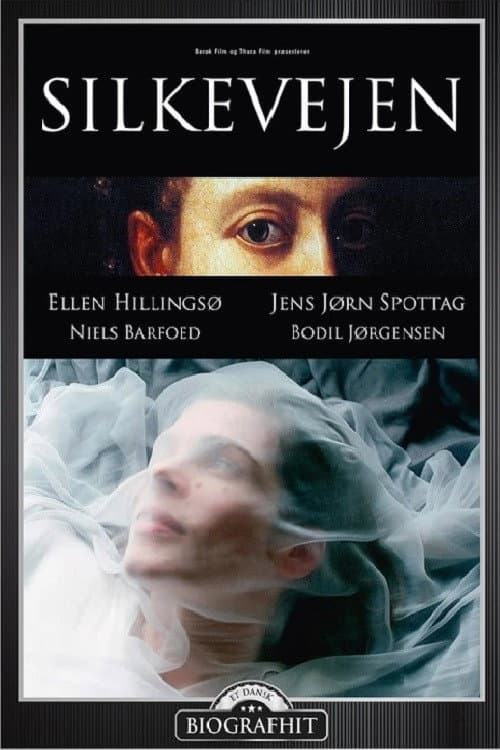
Silk Road is a film about waiting—waiting for the end, waiting for clarity, waiting for a person who won't return. Christine, a picture restorer facing her own mortality, lies in a hospital bed and does what any of us might do when time becomes finite: she remembers. The 2004 drama doesn't chase plot mechanics or narrative momentum. Instead, it sits quietly with a woman who's spent her life restoring images, now restoring her own past through memory and imagination. What unfolds isn't a conventional story but something more like a fever dream—fragments of love, regret, and the possibility of reunion in whatever comes next.
Behind the Making of Silk Road and Its Quiet Artistic Approach
Silk Road emerged from a sensibility that privileges restraint over spectacle. The film's 75-minute runtime reflects a deliberate choice: there's no fat here, no subplot padding or manufactured conflict. Instead, the production leans into the kind of European art-cinema tradition that trusts viewers to sit with ambiguity and emotional silence. The cast and crew assembled for this project understood they were making something intimate—a chamber piece about consciousness and mortality rather than a commercial drama designed for broad appeal. While the film didn't generate significant box-office numbers (it's a festival and arthouse circuit title, not a multiplex draw), it found its audience among viewers who seek cinema that challenges rather than comforts, that asks questions instead of providing neat resolutions. The IMDb rating of 5.5/10 reflects the polarizing nature of such work—some viewers find it profound, others find it too austere, and that tension itself is part of what the film explores.
Why Silk Road (2004) Stays With You Long After Viewing
What's striking about Silk Road is how it refuses sentimentality. You'd expect a film about a dying woman to manipulate tears, to build toward some redemptive revelation. Instead, Christine's journey feels genuinely uncertain—we're not sure what's real memory, what's fantasy, what's the morphine talking. The performances anchor this ambiguity without ever winking at the camera or explaining themselves to us (which is both its strength and, I'll admit, sometimes its frustration). There's a scene where Christine imagines meeting her husband again, and the film doesn't tell you whether this is happening in her mind or somewhere else entirely. That refusal to clarify is the whole point. The craft here is in subtraction—what the cinematography doesn't show, what the sound design leaves silent, what the dialogue doesn't spell out. It's the opposite of modern prestige television, which tends to explain every emotional beat. Silk Road trusts you. Sometimes that trust feels like a gift. Sometimes it feels like the film is asking more than you want to give.
Where to Stream Silk Road (2004) Online
Silk Road is available across major OTT services, and you can check the Where to Watch widget at the top of this page for current platform availability in your region. Streaming catalogs shift frequently—a title available on one service today might move to another next month—so Movie OTT keeps its database updated to help you find exactly where to watch without the frustration of searching blind. If you're planning to watch, I'd recommend setting aside an afternoon when you're not looking for distraction. This isn't a film you half-watch while scrolling your phone. It demands presence, which is perhaps why it's found a smaller but devoted audience rather than becoming a mainstream hit.
Frequently asked questions
Q: Is Silk Road (2004) based on a true story?
No, it's a fictional narrative exploring universal themes of mortality, memory, and loss. The film uses these archetypal human experiences rather than adapting any specific historical or biographical source material.
Q: How long is Silk Road?
The film runs 75 minutes, a deliberately compact runtime that mirrors the compressed, intimate nature of its storytelling and the urgency of Christine's situation.
Q: What genre is Silk Road (2004)?
It's classified as drama, though it blends elements of magical realism and philosophical cinema—it's less a plot-driven story and more a meditation on consciousness and the afterlife.
Q: Who should watch Silk Road?
Viewers who appreciate slow cinema, European art films, and stories that prioritize mood and ambiguity over narrative clarity will find the most resonance. If you loved films by directors like Andrei Tarkovsky or Béla Tarr, Silk Road's patient, questioning approach will likely appeal to you.
Q: Does Silk Road have a happy ending?
That depends entirely on how you interpret the final images. The film deliberately leaves this open—whether Christine finds peace, reunion, or simply the mercy of unconsciousness is something each viewer must decide for themselves.
Final Thoughts on Silk Road (2004)
Silk Road won't be for everyone, and that's not a flaw—it's the film's integrity. It's a work made by people who believed in the power of stillness, in the weight of an unresolved moment, in the possibility that cinema could be a space for real questions about death and love without rushing to answer them. If you're in the mood for something challenging and genuinely strange, something that treats its audience like adults capable of sitting with uncertainty, it's worth the 75 minutes. Movie OTT makes it easy to find where it's streaming right now, so there's no excuse not to give it a try.