








What The Idiots is actually about
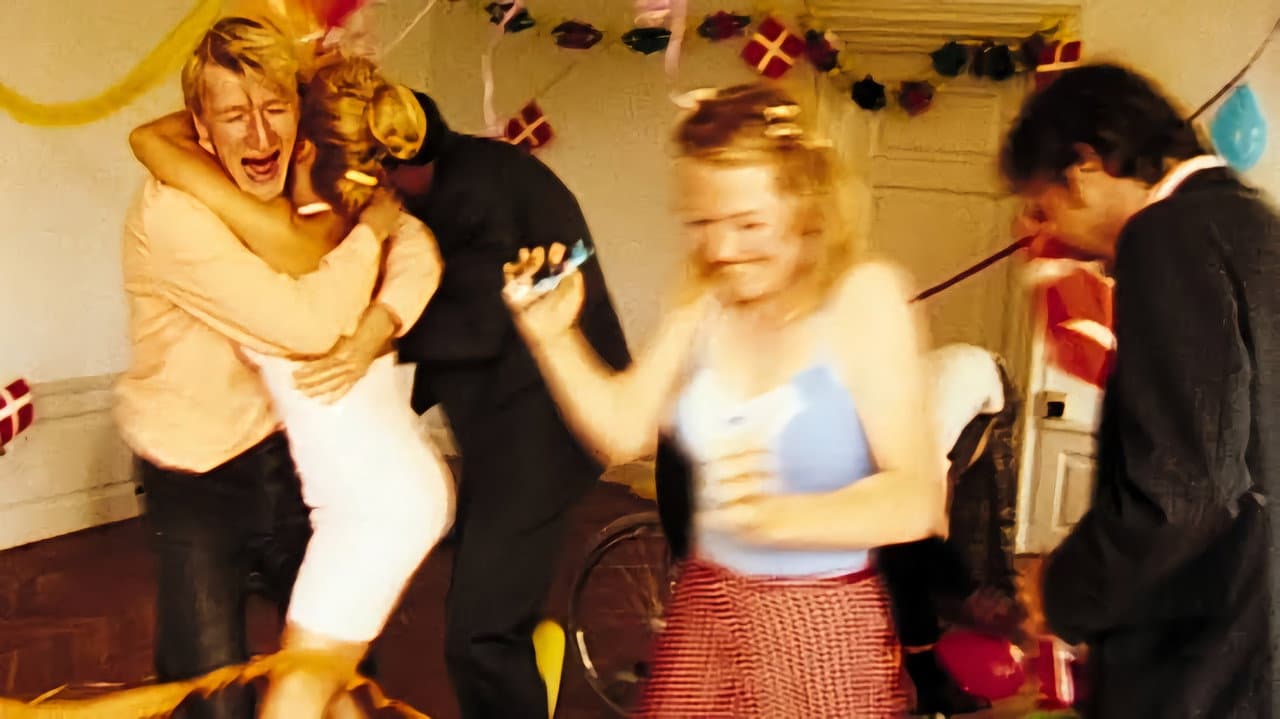
The Idiots follows a disparate group of friends who've rented a suburban house on the outskirts of Copenhagen, ostensibly to sell it. But that's not really what's happening. Led by Stoffer (Jens Albinus), these people have gathered for something far more radical—an experiment in shedding their inhibitions and tapping into what they call their "inner idiot." They spend their days eating, drinking, getting high, and deliberately acting intellectually disabled in public spaces, convinced that this transgressive behavior will somehow liberate them from the constraints of bourgeois society. It's provocative stuff. The film doesn't judge them harshly, but it doesn't exactly celebrate them either. Instead, it watches—sometimes with dark comedy, sometimes with genuine pathos—as their little rebellion unfolds.
Behind the making of The Idiots and its place in cinema history
The Idiots arrived in 1998 as Lars von Trier's first feature made in strict compliance with the Dogme 95 Manifesto, a filmmaking movement he'd co-founded with fellow Danish director Thomas Vinterberg. It became known as Dogme #2, the second official film released under those austere rules—no artificial lighting, handheld cameras only, diegetic sound, contemporary settings, no genre exercises. What's striking is that von Trier chose to make this particular film under such constraints: a 110-minute exploration of social transgression shot almost entirely on digital video, a format that was still novel and considered technically inferior at the time. The production itself was a collaboration between Zentropa Entertainments, DR TV, and several European partners including La Sept Cinéma and ZDF/Arte, reflecting the international scope of European art cinema in the late 1990s. The film sits as the middle chapter of von Trier's "Golden Heart" trilogy, sandwiched between Breaking the Waves (1996) and Dancer in the Dark (2000)—three films bound by thematic obsession with suffering and redemption, though The Idiots approaches these themes through comedy rather than melodrama. On Movie OTT, you can track where this landmark film is currently streaming, as availability shifts across platforms.
Why The Idiots still provokes and divides audiences
What makes The Idiots stand out—and what's made it controversial since its Cannes premiere—is its refusal to offer easy answers about whether Stoffer's group is genuinely liberating themselves or just performing a different kind of conformity. The film's observational style, built on handheld realism and long takes, creates an almost documentary-like intimacy that makes you complicit in their antics. You're not watching from a safe distance; you're in the house with them, watching them push boundaries in supermarkets and public squares. The performances anchor everything—Albinus brings a messianic intensity to Stoffer, while the ensemble cast (including Paprika Steen and Troels Lyby) create a genuine sense of community among the group, even as their project grows increasingly uncomfortable. What's striking is how the film gradually shifts from comedy to something rawer and more human. There's a particular scene where one of the group members reveals her real motivations for joining, and the tone fractures—suddenly we're not watching a lark anymore, we're watching people with genuine wounds trying to heal. The thing nobody mentions is that this film actually works as intimate character drama, not just as a provocation. Movie OTT readers often discover that the film's 6.5 IMDb rating doesn't capture how divisive it truly is; some find it brilliant, others find it insufferable, and that tension is exactly the point.
Where to stream The Idiots online
The Idiots is currently available on major OTT services, and you can check the "Where to Watch" widget at the top of this page for real-time availability in your region. Streaming platforms rotate their catalogs frequently, so it's worth checking movieott.com if you're trying to track down this particular title—the site aggregates current availability across services so you don't have to hunt through six different apps. Given that The Idiots is a 1998 European art film, it's not always in heavy rotation on mainstream platforms, which makes checking availability before you settle in even more important. If you're interested in other Lars von Trier films or Dogme 95 cinema, Movie OTT can help you find those titles too.
Frequently asked questions
Q: Who directed The Idiots?
Lars von Trier wrote and directed The Idiots in 1998. It was his first film made under the Dogme 95 Manifesto, a set of filmmaking rules he co-created with other Danish directors to strip cinema down to its essentials.
Q: Is The Idiots based on a true story?
No, The Idiots is a fictional narrative written by von Trier. However, the film's documentary-style approach and handheld realism make it feel like you're watching something that could be true, which is part of its power.
Q: What does the Dogme 95 Manifesto mean for how The Idiots was made?
Dogme 95 imposed strict rules: no artificial lighting, handheld cameras only, contemporary settings, diegetic sound, and no genre exercises. The Idiots was shot almost entirely on digital video and adheres closely to these constraints, giving it a raw, unpolished aesthetic that suits the subject matter.
Q: How long is The Idiots?
The film runs 110 minutes, which gives von Trier plenty of time to develop his characters and let scenes breathe in the observational style he favors.
Q: What's the tone of The Idiots—is it a comedy or a drama?
It's genuinely both. The film starts with dark comedy as the group acts out in public, but gradually reveals deeper emotional layers and genuine pathos beneath the provocation. It's the kind of film that shifts what it is as you watch it.
Final thoughts on The Idiots
The Idiots isn't comfortable viewing. It's designed to make you squirm, to question your own boundaries, and to resist easy moral judgment. But that's also why it matters. Von Trier created something that refuses to be dismissed as mere provocation—there's real humanity buried underneath the transgression, real longing beneath the performance. If you're patient with unconventional cinema, if you don't need your films to wrap everything up neatly, this one rewards the investment. It's a film that stays with you, not because it's pleasant, but because it's honest.