
The story of The Kingdom II
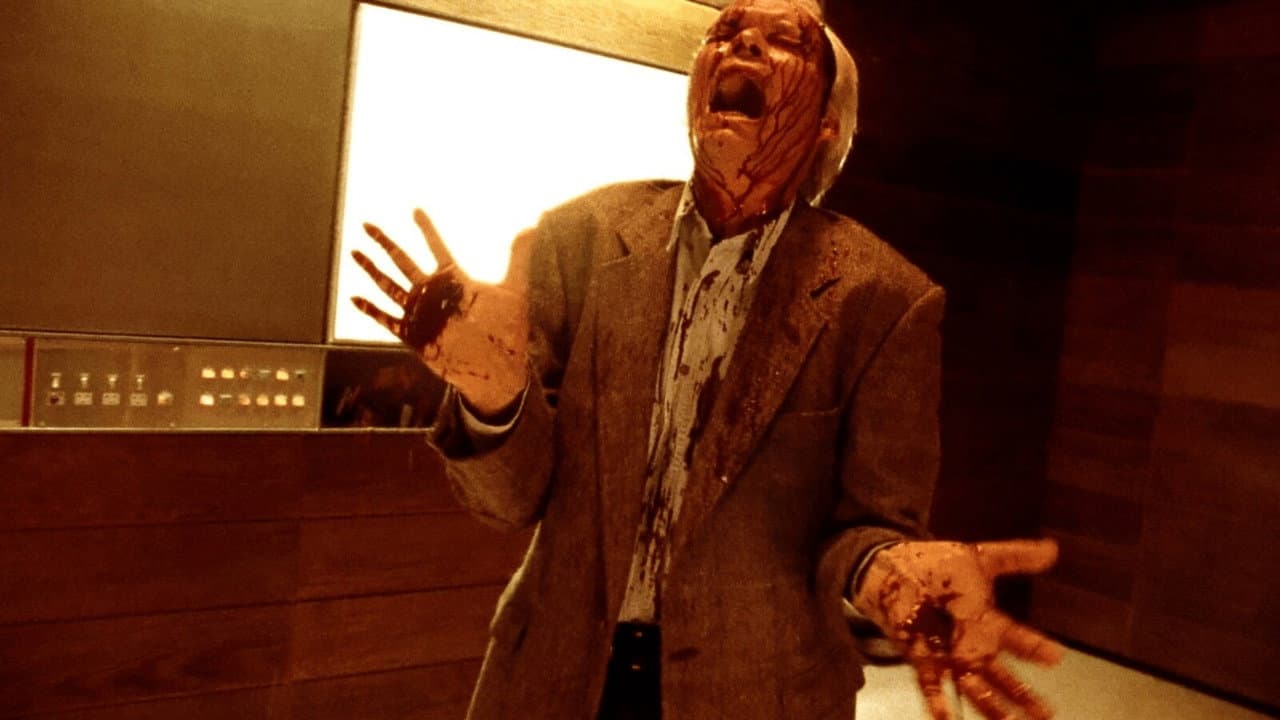
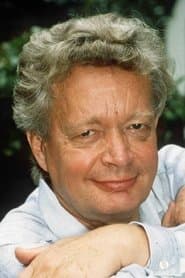
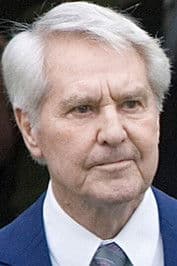
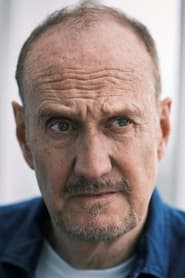
The Kingdom II picks up where the first installment left off, returning us to the neurosurgical ward of Copenhagen's Rigshospitalet—that strange, sepia-toned realm where the rational world doesn't quite apply. A mutant fetus has been born, and the hospital's already fractured reality splinters further. Dr. Helmer, the ward's ambitious neurosurgeon, faces career-ending scrutiny after botching an operation that leaves a patient braindead; desperate to salvage his reputation, he ventures into the dark arts, seeking supernatural protection from those circling for his downfall. Meanwhile, Mrs. Drusse—the hospital's most notorious hypochondriac, forever convinced of imaginary ailments—finally encounters something genuinely catastrophic when an ambulance strikes her. It's the kind of cruel irony that defines this series: the one thing she wasn't paranoid about becomes her reality.
Behind the making of The Kingdom II
The Kingdom II represents an ambitious European co-production, bringing together DR, Greco, La Sept-Arte, and Zentropa Entertainments alongside broadcasters and film funds from Denmark, Sweden, France, Germany, Italy, the Netherlands, and Norway. The Nordisk Film & TV Fond, Film i Väst, and support from the MEDIA Programme of the European Union all contributed to what became a sprawling 280-minute miniseries—not a quick watch, but a commitment. Lars von Trier and Tómas Gislason's creative vision demanded that scale. The production's international scope reflected a distinctly European sensibility, one that major American networks might've balked at funding. What's striking is how the show's muted visual palette—that signature sepia tone that makes everything look like it's been drained of hope—became von Trier's signature aesthetic statement. The main theme itself was written by von Trier, setting the show's unsettling tone from the opening credits. On Movie OTT, you can track where The Kingdom II streams across major platforms, though finding all 280 minutes in one place isn't always guaranteed.
What makes The Kingdom II stand out in contemporary horror television
Here's what's genuinely strange about The Kingdom II: it's a horror series that's also deeply, darkly comic. The show doesn't just want to unsettle you—it wants to make you laugh while you're unsettled, which is a harder trick than it sounds. The chorus of dishwashers with Down syndrome who provide running commentary on the hospital's bizarre events is the sort of creative choice that could've been exploitative in lesser hands, but von Trier uses them as a kind of supernatural Greek chorus, offering intimate, sometimes crude observations that ground the absurdity in something almost human. The performances anchor everything. The cast moves through this sepia nightmare with a commitment that prevents the show from tipping into parody, even when the plot involves literal demons and supernatural pregnancy. I keep coming back to how the show balances tone—it's simultaneously a critique of medical arrogance, a meditation on mortality, and a genuinely funny dark comedy about people convinced the universe is conspiring against them. The IMDb rating of 7.7 out of 10 reflects an audience that recognizes the show's ambition even when it doesn't always land. Critics have praised von Trier's willingness to let scenes breathe, to let awkwardness linger, to trust that viewers will sit with discomfort rather than cutting away. That's not television designed for passive consumption—it demands something from you.
Where to stream The Kingdom II online
The Kingdom II is available on major OTT services, and you can check the Where to Watch widget at the top of this page for current availability in your region. Streaming rights shift frequently, so what's available today might change next month—that's why Movie OTT maintains real-time platform tracking. If you're committed to watching all 280 minutes, you'll want to confirm your platform has the complete version before you start, as some services offer edited or shortened versions of longer miniseries. The show's length means you'll probably want to carve out time across multiple viewing sessions anyway.
Frequently asked questions
Q: Is The Kingdom II a sequel, or can I watch it without seeing the first season?
It's technically a continuation of the first Kingdom miniseries, but the show's episodic structure and focus on new supernatural crises means you could jump in here. That said, watching the first season will deepen your understanding of the ward's history and the characters' established relationships. You're not lost if you start with II, but you'll miss some payoff.
Q: Why is The Kingdom II 280 minutes long?
Von Trier and Gislason weren't interested in the typical hour-long episode format. The extended runtime allows for scenes to develop naturally, for awkward silences to accumulate tension, and for the hospital's surreal atmosphere to fully envelop you. It's not padding—it's intentional pacing.
Q: Who directed The Kingdom II?
The series was created by Lars von Trier and Tómas Gislason. Von Trier, the Danish filmmaker known for provocative, stylistically distinctive work, brings his unmistakable sensibility to the show's visual and thematic approach.
Q: Is The Kingdom II based on a true story?
No. It's an original fictional work set in a real hospital (Rigshospitalet in Copenhagen) but populated with entirely invented characters and supernatural events. The show uses the hospital setting as a framework for exploring absurdist horror and dark comedy.
Q: What's with the sepia color scheme?
The muted, brownish tone is deliberate—it creates a sense of decay and unreality, making the hospital feel like a space trapped between the living and the dead. It's von Trier's visual language for dread.
Final thoughts on The Kingdom II
The Kingdom II isn't for everyone. Four hours and forty minutes of sepia-toned supernatural chaos, medical incompetence, and dark humor demands patience and an appetite for the genuinely weird. But if you're the kind of viewer who appreciates ambition over comfort, who doesn't mind sitting with discomfort, who gets a kick out of seeing television push against its own conventions—this is essential viewing. Von Trier made something that refuses to be easily categorized or quickly forgotten.