





The Story of Skeet: Coming Home to a Changed World
Skeet tells the story of Billy Skinner, a St. John's man who walks out of prison into a place that doesn't quite feel like home anymore. The neighbourhood he once knew—predominantly white, working-class, familiar—has transformed dramatically. Refugee families now occupy the streets where he grew up, and the cultural landscape he left behind has shifted in ways he wasn't prepared for. What unfolds isn't a typical redemption arc, but something messier and more human: a man trying to find his footing while confronting his own assumptions about who belongs and where. The film's 104-minute runtime allows space for quiet observation, letting tension build not through plot mechanics but through the collision of two very different lives.
Behind the Making of Skeet: Nik Sexton's Directorial Debut
Skeet marks the feature directorial debut of Nik Sexton, who also wrote the screenplay. The film was produced by Rink Rat Productions and arrived in 2024 with immediate recognition on the festival circuit. At the 2024 Atlantic International Film Festival, Skeet earned nominations that signalled something worth watching—this wasn't a film that slipped past quietly. The project went on to receive recognition at the 13th Canadian Screen Awards, Canada's highest honour in film and television, cementing its place in the year's serious dramatic conversation.
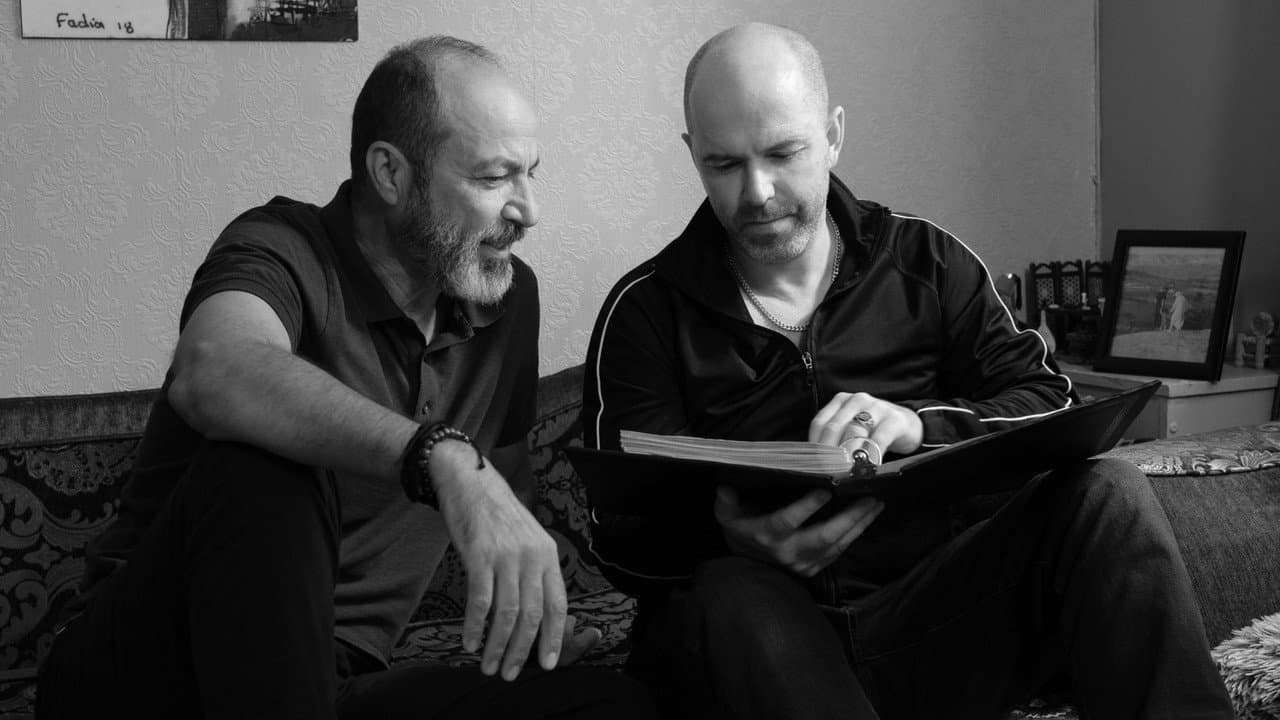
Sean Dalton carries the film as Billy Skinner, bringing a grounded authenticity to a character who could easily have become a stereotype. Dalton's casting matters—he's not a marquee name, which means the film trusts the material and the performance rather than relying on recognition. The ensemble work, particularly the dynamic between Dalton and the actor playing Mohamed (a recent Syrian refugee learning to navigate Newfoundland life), forms the emotional core. Sexton's script doesn't shy away from the friction these two men represent: one trying to reclaim what he lost, the other trying to build something new from nothing. There's no budget information publicly available, and box office numbers for a small Canadian drama like this rarely get wide release—but that's precisely the point. This is the kind of film that lives on streaming platforms and festival circuits, reaching audiences through word-of-mouth and curated recommendations rather than multiplexes.
What Makes Skeet Stand Out: Performance and Social Friction
What's striking about Skeet is how it refuses easy answers. This isn't a film that wants to teach you a lesson about tolerance or wrap up its themes in a neat bow. Instead, it sits in discomfort—the discomfort of Billy's prejudices meeting reality, the discomfort of Mohamed's displacement, the discomfort of two men from completely different worlds trying to understand each other without the script demanding they become best friends by the third act.
Dalton's performance is the engine here. He plays Billy not as a villain or a hero, but as a real person carrying baggage—some of it earned, some of it inherited from the world around him. There's a scene early on where Billy encounters the changing neighbourhood, and you can see his jaw tighten, his eyes scan the storefronts with a mixture of confusion and something darker. That's not dialogue doing the work; that's an actor trusting his face and his body to tell the story. The friendship that develops between Billy and Mohamed doesn't happen because the script decides it should. It happens because these two broken people recognize something in each other—not shared pain exactly, but shared need. One needs to feel like he belongs again. The other needs to believe he can belong at all.
I keep coming back to how the film handles the refugee experience without making it sentimental. Mohamed isn't a symbol or a teaching tool for Billy's moral awakening. He's a person trying to figure out how to survive in a place where the cold is literal and the welcome is conditional. The film's willingness to let both men be flawed, to let Billy's prejudices exist alongside his capacity for connection—that's what separates Skeet from a dozen other films with similar premises. It doesn't resolve the contradiction; it lives inside it.
Where to Stream Skeet Online
Skeet is currently available on major OTT services, and you can check the "Where to Watch" widget at the top of this page to see which platforms are streaming it right now in your region. Movie OTT tracks these availability changes across services, so if you don't see it on your preferred platform today, it's worth checking back. Streaming rights shift constantly, especially for smaller independent films that might move between services or rotate on and off catalogues. The good news is that a film like Skeet—serious, character-driven, and festival-recognized—tends to find homes on platforms that prioritize curated, quality cinema rather than just blockbuster churn.
Frequently asked questions
Q: Who directed Skeet and is this their first feature film?
Nik Sexton wrote and directed Skeet as his feature directorial debut. He's brought a confident, observational style to the material that suggests this won't be his last film.
Q: Is Skeet based on a true story?
There's no indication that Skeet is based on a specific true story, though its themes of reintegration, displacement, and cultural friction are drawn from real social conditions in Newfoundland and across Canada.
Q: What awards has Skeet won or been nominated for?
Skeet received nominations at the 2024 Atlantic International Film Festival and the 13th Canadian Screen Awards, Canada's top film and television honours.
Q: Who plays Billy Skinner in Skeet?
Sean Dalton stars as Billy Skinner. His grounded, understated performance is central to the film's emotional impact.
Q: How long is Skeet?
The film runs 104 minutes, giving Sexton enough time to develop his characters and let scenes breathe rather than rushing through plot beats.
Final Thoughts on Skeet
Skeet isn't a film that'll make you feel good about humanity, and it's not trying to. What it does is hold up a mirror to prejudice, displacement, and the messy reality of trying to coexist across difference. It's a Canadian film that matters—not because it solves anything, but because it asks hard questions and trusts the audience to sit with the answers. If you're looking for something beyond the usual streaming fare, something that'll stick with you after the credits roll, Skeet deserves your time.