The Story of Slave Ship
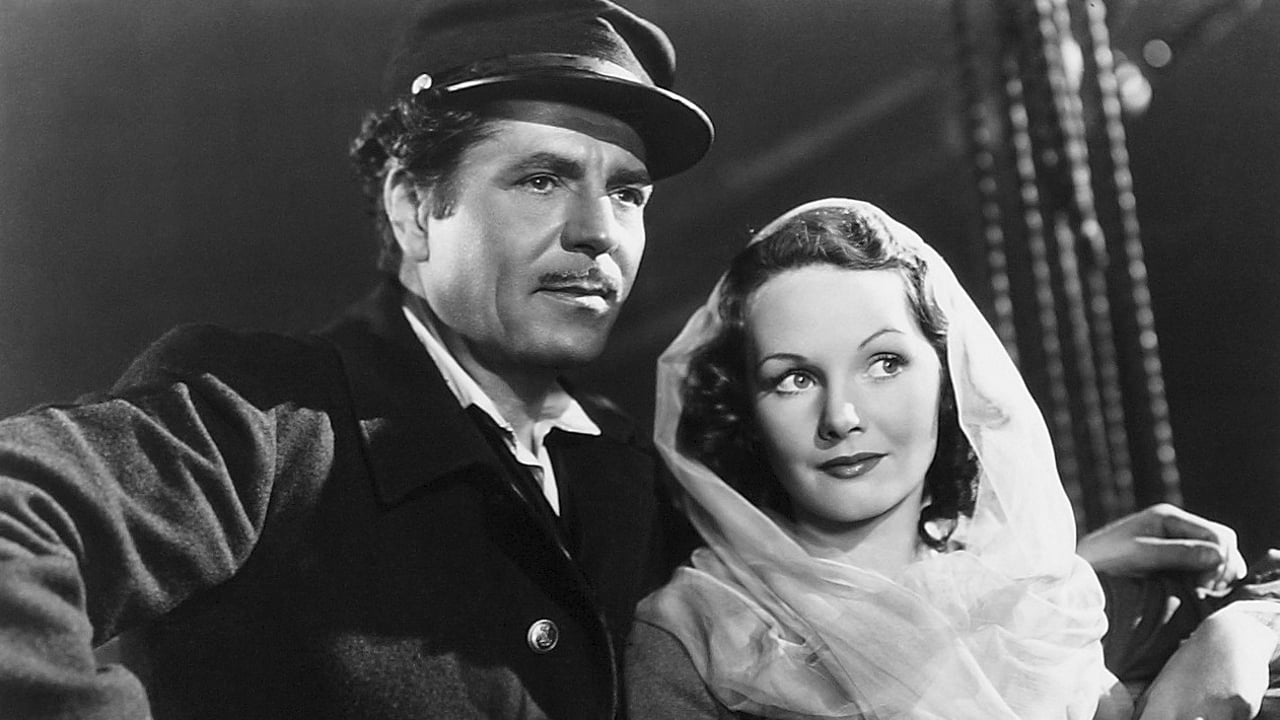
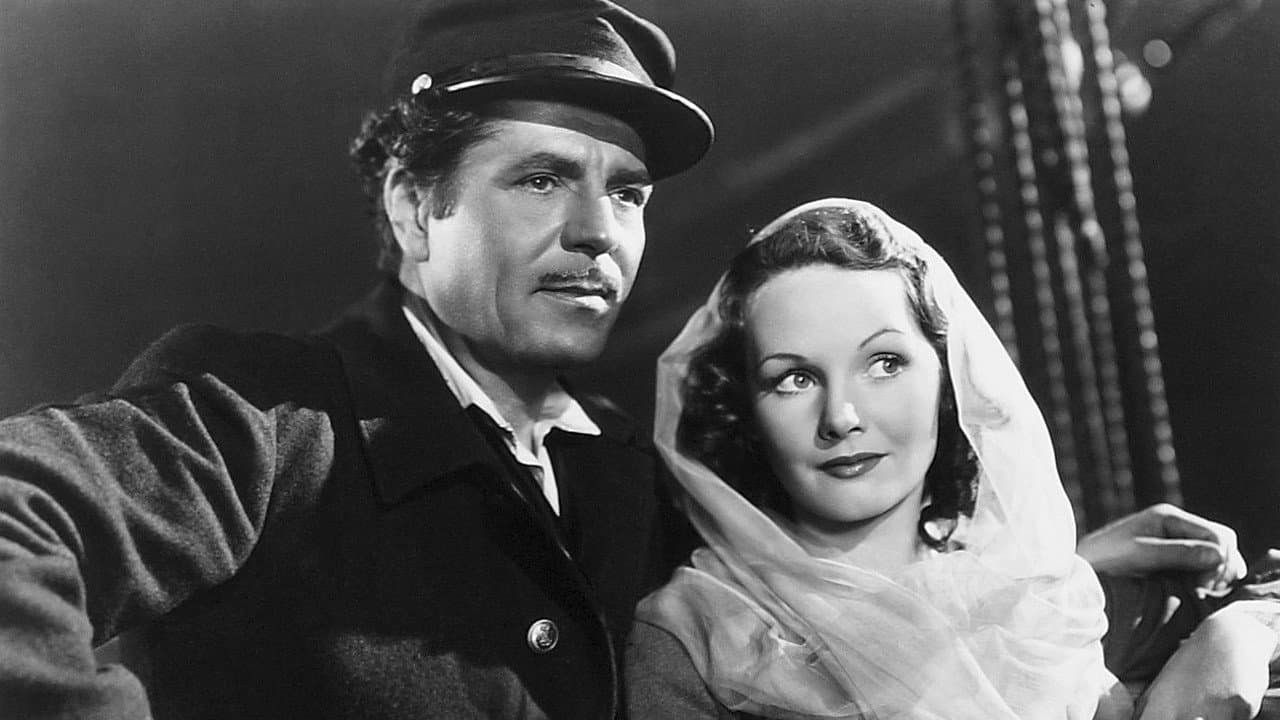
Slave Ship is a 1937 adventure drama that centers on a ship captain wrestling with the ghosts of his former life. The premise is straightforward on the surface: a man who's tried to distance himself from a shameful past suddenly finds himself pulled back into the very trade he'd hoped to leave behind. He's ordered—against his will—to transport enslaved people aboard his vessel, forcing him to confront both his conscience and the circumstances that have trapped him. What unfolds is less a straightforward morality tale than a tense, action-driven narrative about a man caught between survival and principle.
The film's tagline promises "mutiny and these captive lovers" living through a "honeymoon of horror," hinting at the romantic and violent threads woven through the 92-minute runtime. It's a period adventure, but one that doesn't shy away from the brutal reality of its subject matter—at least for a film of its era.
Behind the Making of Slave Ship
Directed by Tay Garnett and produced by 20th Century Fox, Slave Ship brought together a remarkable ensemble cast for 1937. Warner Baxter carries the film as the morally compromised captain, while Wallace Beery—one of Hollywood's biggest stars at the time—plays a supporting role, which is notable in itself. Beery was a box-office draw who typically commanded top billing; the fact that he didn't here speaks to the studio's confidence in Baxter's lead performance. Elizabeth Allan rounds out the main cast, with Mickey Rooney, George Sanders, Jane Darwell, and Joseph Schildkraut adding weight to the supporting roles.
The production came together during Hollywood's golden age, when studio systems controlled every aspect of filmmaking—from casting to release schedules. Fox invested in this picture with genuine resources: location work, period sets, and a cast of established names. While box office records from 1937 are incomplete by modern standards, the film's theatrical run suggests it found an audience, even if critics weren't universally enthusiastic. The MPAA's evolving standards of the era meant that certain aspects of the slave trade couldn't be shown explicitly, which likely shaped how Garnett and his team approached the material—focusing more on adventure and personal conflict than on the systemic horrors at the story's core.
What Makes Slave Ship Stand Out
What's striking about Slave Ship is how it tries to balance entertainment with moral weight. The film doesn't pretend to be a documentary or a sermon—it's a Hollywood adventure picture, complete with action sequences and romantic entanglement. But it's also genuinely interested in the psychology of its protagonist, a man who can't escape his own complicity no matter how far he runs. Baxter's performance anchors this tension: he's neither a villain nor a pure hero, but something more human and uncomfortable.
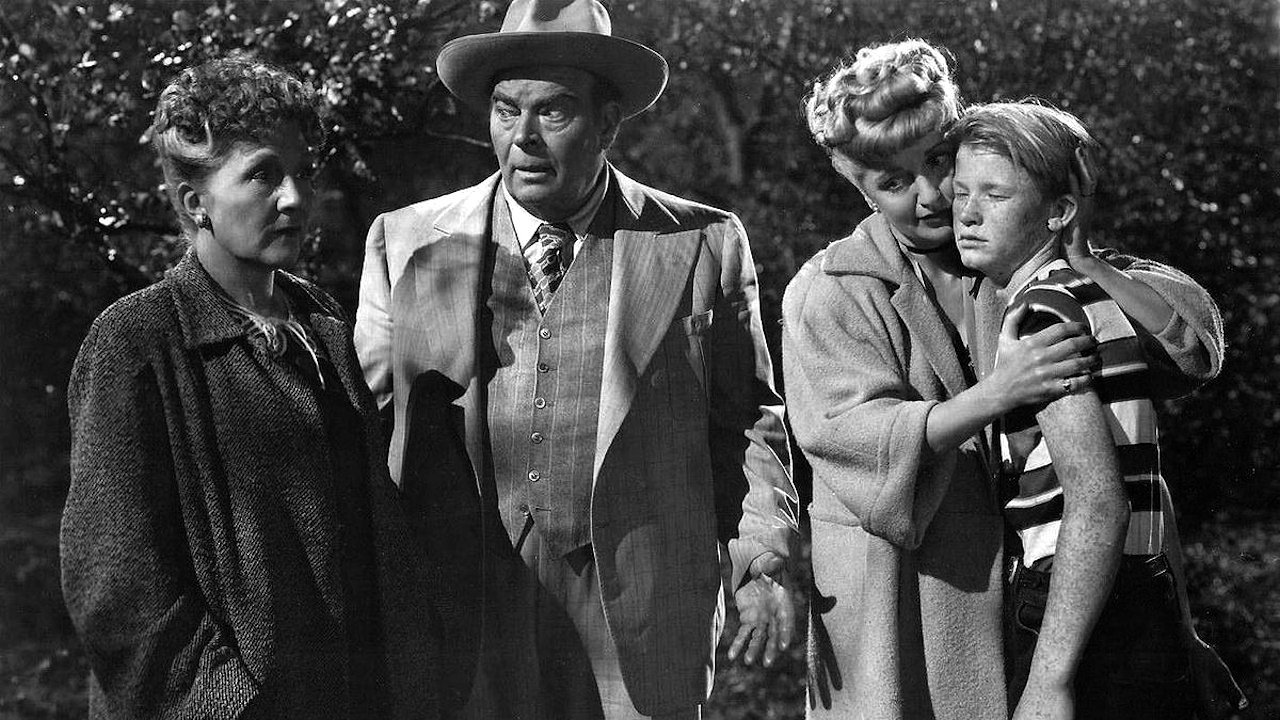
The supporting cast elevates the material considerably. Beery brings a weathered, lived-in quality to his role, while Rooney—already a major star at just 16—provides an energy that keeps scenes moving. George Sanders, with his characteristic cool menace, adds moral ambiguity to every scene he's in. What nobody mentions much about films from this period is how the ensemble acting often surpassed the scripts they were working with; that's true here. The performances don't just carry the plot—they complicate it.
Critically, the film sits at 5.063 on IMDb, which reflects a certain historical distance and the fact that modern viewers approach 1937 adventure pictures with different expectations than contemporary audiences did. It's not a masterpiece, and it doesn't pretend to be. But it's also not a relic. There's real craft in how Garnett stages action sequences, real tension in how the narrative builds toward its climax. The thing is, adventure films from this era often work better when you surrender to their rhythms rather than judge them against modern standards—and Slave Ship rewards that surrender.
Where to Stream Slave Ship Online
Slave Ship is currently available on major OTT services, and the "Where to Watch" widget at the top of this page will show you exactly which platforms are streaming it right now. Availability shifts regularly, so Movie OTT keeps that information updated in real time—you won't need to hunt across five different services wondering if it's actually there. The 92-minute runtime makes it a manageable watch, even for casual viewing on a weeknight, and the adventure-film pacing means it doesn't drag.
Frequently asked questions
Q: Who directed Slave Ship?
Tay Garnett directed Slave Ship in 1937 for 20th Century Fox. Garnett was a prolific director of adventure and action pictures during Hollywood's golden age, and his work here shows a command of pacing and ensemble dynamics.
Q: Is Slave Ship based on a true story?
Slave Ship is a fictional drama, not a direct adaptation of specific historical events. However, it draws on the real history of the slave trade and the ships that transported enslaved people across the Atlantic—a dark chapter that the film engages with, even if the protagonist's moral arc is the story's primary focus.
Q: What's the runtime of Slave Ship?
The film runs 92 minutes, making it a brisk adventure picture by any era's standards. It doesn't overstay its welcome, though the pacing does reflect 1937 filmmaking conventions—slower in some moments than modern audiences might expect.
Q: Why does Wallace Beery not have top billing in Slave Ship?
Beery was a major star, but in this ensemble, Warner Baxter carried the lead role. The studio's decision to give Baxter top billing suggests they saw him as the emotional and narrative center of the film, even with Beery's star power in the cast.
Q: Where can I watch Slave Ship right now?
Check the "Where to Watch" widget on this page for current streaming availability. Movie OTT tracks which platforms have Slave Ship in their catalog at any given moment, so you'll get real-time information rather than outdated listings.
Final Thoughts on Slave Ship
Slave Ship won't appeal to everyone—it's a product of its time, with all the limitations that entails. But for viewers interested in how Hollywood tackled morally complex subjects in the 1930s, or for fans of classic adventure cinema, it's worth seeking out. The ensemble cast delivers, the direction is competent, and there's genuine tension beneath the surface. It's a film that rewards curiosity, even if it doesn't quite achieve greatness. Not every classic needs to be a masterpiece to be worth your time.