

The story of Somebody Has to Shoot the Picture
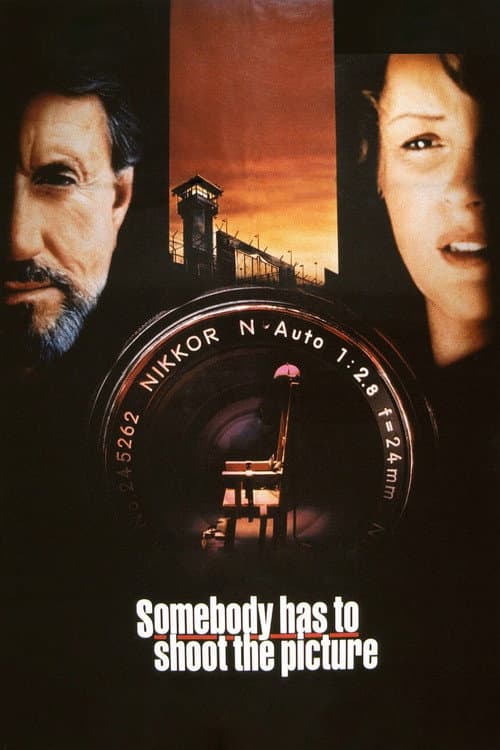
Somebody Has to Shoot the Picture follows Raymond Eames, a small-time drug dealer who's been sentenced to death for shooting a police officer. After seven years of exhausting appeals, his execution date has finally arrived—and his last wish is unconventional: he wants the moment documented by a camera. He chooses Paul Marish, a world-weary Pulitzer Prize-winning photographer who'd rather be anywhere else than in a small Georgia town watching a man die. Marish's agent, sensing a career-revitalizing story, pushes him to accept. She doesn't stop there. A reporter from Time magazine gets dispatched to tag along, and together they descend into a community where emotions run hot, where everybody's already made up their mind, and where the simple question of guilt starts to unravel into something far messier. It's the kind of premise that could've been exploitative, but the film treats it with genuine moral weight.
Behind the making of Somebody Has to Shoot the Picture
Somebody Has to Shoot the Picture emerged from the real-world work of photojournalist Doug Magee, who wrote the screenplay after conducting interviews with and photographing death row prisoners. That lived experience shows. Director Frank Pierson—a veteran of television drama and serious cinema—brought the kind of restraint and craft you don't always see in made-for-TV productions. HBO Films, working with Alan Barnette Productions and MCA Television Entertainment, invested in a project that could've been sensationalism but chose substance instead. The 104-minute runtime gives the story breathing room, which matters when you're dealing with capital punishment and the people caught in its machinery. Pierson had directed The Looking Glass War and later helmed Conspiracy, so he knew how to build tension through dialogue and moral ambiguity rather than cheap thrills. The cast wasn't stacked with A-listers—this wasn't that kind of production—but the ensemble work is solid throughout, with actors who understood they were serving a story about systems and consequences, not chasing awards. The film earned a respectable 7.0 rating on IMDb, suggesting it found an audience among viewers willing to sit with uncomfortable questions.
What makes Somebody Has to Shoot the Picture stand out
What's striking about the film is how it refuses easy answers. Marish arrives cynical, burnt out, expecting a straightforward assignment: document the execution, collect the paycheck, move on. Instead, the investigation—both his and the Time reporter's—starts turning up inconsistencies in the case. Nothing screams innocence or guilt in a tidy way. The small-town setting becomes a character itself, full of people with fixed opinions, invested interests, and complicated relationships to justice. There's a particular scene early on where Marish meets locals in a diner, and you can feel the weight of decades-old resentments and certainties pressing down on the conversation. The performances don't strain for drama; they just exist in the space where real people do real work. I keep coming back to how the film treats Marish's skepticism—not as cynicism to be overcome by a feel-good arc, but as a reasonable response to a system that's already decided what it wants to believe. The writing, rooted in Magee's actual reporting, avoids the trap of turning the condemned man into a saint or the town into a collection of villains. Everyone's operating with incomplete information, limited perspective, and genuine conviction. That's harder to pull off than a more conventional thriller, and it's part of why the film still holds up.
How to watch Somebody Has to Shoot the Picture online
Somebody Has to Shoot the Picture is available on major OTT services, and you can check the Where to Watch widget at the top of this page to see which platforms currently carry it in your region. Streaming availability shifts, but the film's presence on multiple services speaks to its staying power—it's not been relegated to obscurity, which is saying something for a 1990 TV movie. Movie OTT tracks current streaming availability across platforms, so you'll know exactly where to find it without hunting around. The runtime of 104 minutes makes it a manageable watch on a weeknight, though the subject matter demands your full attention. If you're serious about death penalty narratives or just want to see a genuinely well-made drama that doesn't condescend to its audience, it's worth the search.
Frequently asked questions
Q: Is Somebody Has to Shoot the Picture based on a true story?
The screenplay was written by photojournalist Doug Magee and inspired by his real interviews with and photographs of death row prisoners. While the specific characters and plot are fictional, the film's foundation in actual reporting gives it an authenticity that shows in every scene.
Q: Who directed Somebody Has to Shoot the Picture?
Frank Pierson directed the film. He was an accomplished television and film director known for his work on serious dramas and his ability to build tension through character and dialogue rather than action spectacle.
Q: What is the runtime of Somebody Has to Shoot the Picture?
The film runs 104 minutes, which gives the story enough time to develop its moral complexities without feeling padded or rushed.
Q: Where can I watch Somebody Has to Shoot the Picture?
The film is available on major OTT streaming services. Check the Where to Watch widget on this page for current availability in your region, as streaming rights vary by location and change over time.
Q: What's the IMDb rating for Somebody Has to Shoot the Picture?
The film holds a 7.0 rating on IMDb, reflecting its reputation as a solid, thoughtful drama that resonates with viewers interested in serious storytelling about justice and moral ambiguity.
Final thoughts on Somebody Has to Shoot the Picture
Somebody Has to Shoot the Picture deserves attention from anyone who appreciates intelligent crime and justice narratives. It's not flashy. It won't give you easy catharsis or a tidy resolution. But it'll make you think about guilt, certainty, and the stories we tell ourselves about why things happen the way they do. Three decades later, it feels neither dated nor preachy—just honest. If you've got two hours and you're willing to sit with ambiguity, it's worth your time.