





Species (2026): A Medical Mystery That Asks the Wrong Questions About Your Body
Species is a 2026 science fiction horror film about a medical intern who discovers that the rare diseases plaguing her emergency room patients might be connected to mysterious symptoms appearing on her own body. It's available on major streaming platforms right now — check the widget above for your region.
The film carries a 0/10 IMDb rating, which reflects its early-release status more than any settled critical consensus. As more viewers watch across platforms, that number will shift. For now, it's a film still finding its audience.
The Premise: When Your Patient List Becomes Personal
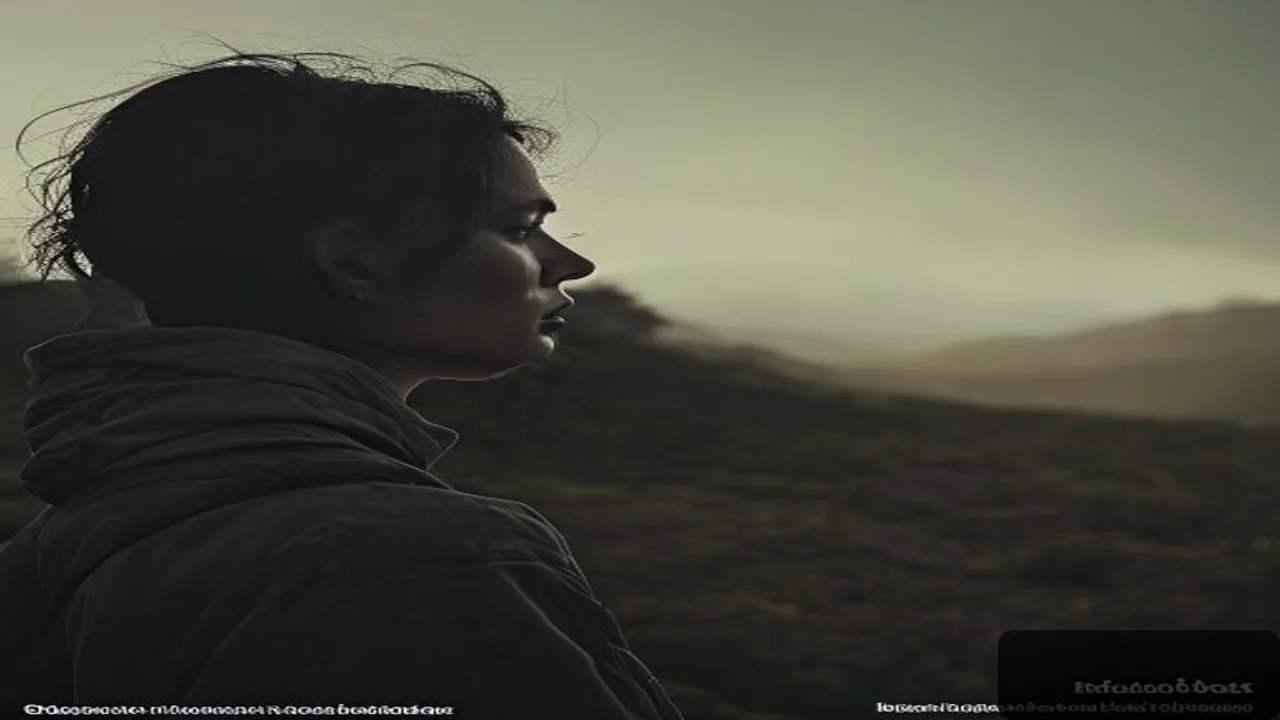
Margot trained for years to become a doctor. Her first real job in a busy emergency room should feel like vindication — instead, it feels like drowning. The shifts are brutal. The attending physicians barely acknowledge her. And then she starts noticing something that doesn't add up.
Young patients keep arriving with rare, almost textbook-impossible diseases. Their symptoms overlap in ways that standard diagnosis can't explain. A rash that doesn't match any known infection. Bloodwork that looks like nothing she's studied. And then — quietly at first — Margot realizes she's seeing those same symptoms on her own body.
What starts as a medical puzzle becomes something far more unsettling. The film doesn't rush to answers. It lets the hospital fluorescence do the heavy lifting before pulling the floor out entirely. By the time you realize this isn't a procedural about overworked residents, you're already invested in Margot's unraveling certainty about what's happening to her.
The horror here isn't gore-driven. It's wrongness accumulated slowly — a scene where Margot examines her own arm under examination-room lighting, noticing something she can't name, lands harder than any jump scare ever could. The science fiction emerges the way a diagnosis does: through evidence, not revelation.
How It Got Made: Five Countries, One Unsettling Vision
Species is a co-production between Windy Production, Trésor Films, Anga Productions, La Compagnie Cinématographique, and Panache Productions — which explains its distinctly European sensibility, particularly the French influence. That multi-territory backing can sometimes result in a film that feels committee-built. This isn't that.
The French production houses bring a visual restraint to the project. Clinical coldness. Fluorescent dread instead of jump-scare theatrics. The hospital setting becomes an aesthetic asset — all those clean lines and harsh lighting working against Margot's growing sense that something is fundamentally wrong.
Here's the thing about the title: Species shares its name with the 1995 Roger Donaldson film starring Natasha Henstridge and Ben Kingsley. That movie was about a human-alien hybrid hunted by government agents before she could reproduce, and it launched a franchise that still has cult followers. The 2026 Species is completely separate — different story, different characters, different creative teams. But the thematic DNA (the pun is unavoidable) isn't coincidental. Both films are preoccupied with bodies that don't behave the way they should. Both ask: what if human biology is more porous than we'd like to believe?
That's a genuinely compelling parallel, and it's worth knowing before you click play.
Why the Genre Blend Works
What strikes me about Species is how confident it is about straddling two genres at once. It owes something to body-horror traditions running from Cronenberg through to recent French extremity cinema — but it doesn't wear those influences like a badge. It's doing something more intimate.
The recurring-disease mystery functions almost like a medical procedural at times. That structural grounding keeps the stranger material from floating into pure abstraction. Margot's exhaustion is real — the long shifts, the attending physicians who barely acknowledge her, the patients she can't save — and that professional vulnerability makes her physical changes land harder than they would in a more fantastical setting. She can't tell if she's sick, or overworked, or something else entirely.
The film takes its time answering that question. And that patience is one of its genuine strengths.
According to how Movie OTT tracks genre crossovers, films that blend sci-fi and horror this carefully tend to find their audience late and hold it for years. They don't spike on opening weekend. They accumulate. They stick.
Where to Watch (And Why the Availability Matters)
Species is currently streaming on major OTT platforms. The most accurate, real-time list of where it's available in your region is in the Where-to-Watch widget at the top of this page — that tracker pulls updates as platforms add or remove titles, so you don't have to hunt through five different apps.
International co-productions with this kind of multi-territory backing tend to land on more services over time rather than fewer. So if it's not on your preferred platform today, check back in a few weeks.
Movie OTT aggregates current availability across all major services, which saves you the clicking-around-for-twenty-minutes phase that used to be unavoidable. One search, full regional breakdown.
Is It Worth Your Time?
Watch Species if: you find slow-burn dread more effective than shock cuts, and you don't mind a film that asks questions it takes its time answering. If you liked the body-horror elements of Cronenberg's work or the medical-thriller precision of films like Contagion, this will connect with you. It's a genre film with genuine ideas about identity and the body, anchored in a setting that makes its horror feel uncomfortably plausible.
Skip it if: you need immediate payoffs, clear answers, or reassurance that things will make sense by the end credits. This film exists in ambiguity. It doesn't apologize for that.
Honestly? For the right audience, it sticks. Not a film for everyone — but that's usually how the best ones work.