The story of Spy Games
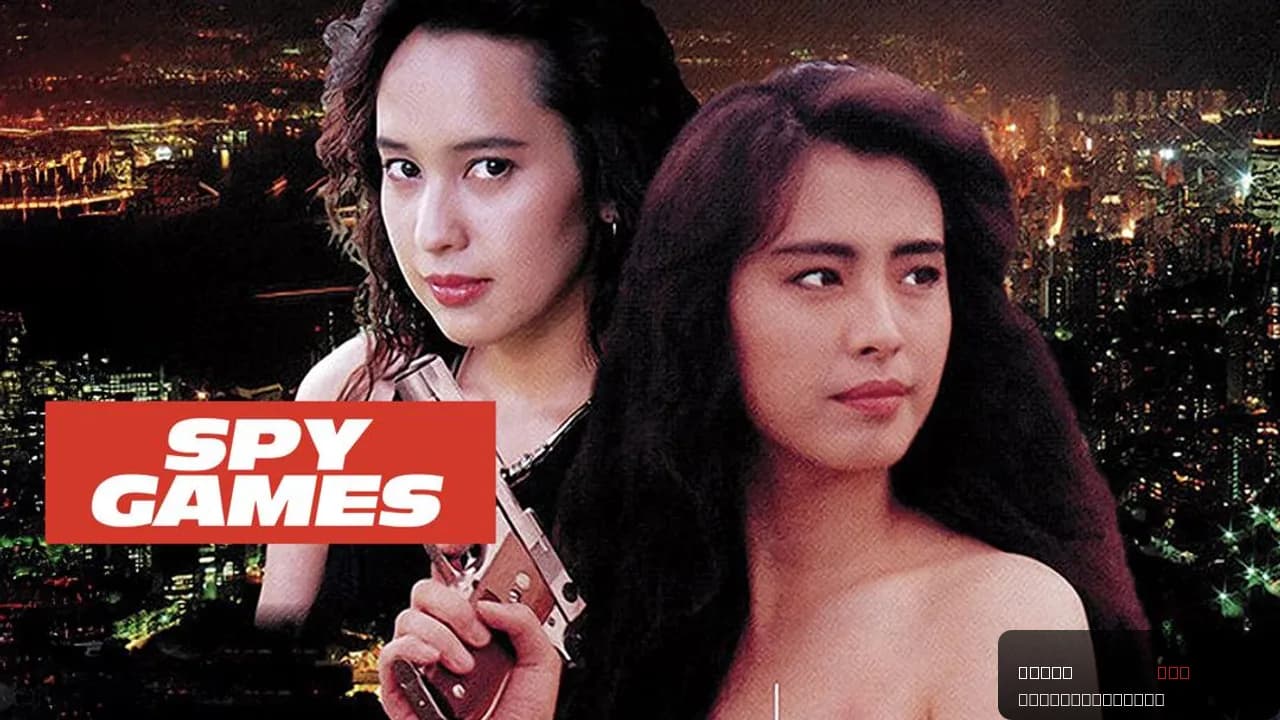
Spy Games isn't your typical globe-trotting espionage thriller. Released in 1989, director David Wu's film takes the spy-movie formula and deliberately tilts it sideways, mixing action sequences with broad comedic set pieces that reflect the sensibilities of Hong Kong cinema during that era. The film follows characters caught in a world of international intrigue—double agents, secret missions, and high-stakes confrontations—but it refuses to take itself too seriously. What unfolds is less about saving the world and more about surviving it with your sense of humor intact. The plot, while fairly straightforward on paper, becomes the scaffolding for a string of action-comedy moments that feel distinctly rooted in the 1980s Hong Kong film industry's golden age.
Behind the making of Spy Games
Director David Wu assembled a cast that was already familiar to Hong Kong audiences in 1989. Kenny Bee, the lead, brought his own star power to the project—he wasn't just an actor but a recognizable face in the region's entertainment landscape. The supporting ensemble included Noriko Izumoto, Saburo Tokito, Joey Wong, Michael Chan Wai-Man, Waise Lee Chi-Hung, and Maggie Cheung Ho-Yee. That last name—Maggie Cheung—would go on to become one of the most celebrated actors in Hong Kong cinema, though Spy Games was early in her career trajectory. The film was a Hong Kong production, made during a period when the territory's film industry was incredibly prolific, churning out action films, comedies, and everything in between at a remarkable pace.
The production values reflect the ambitions and constraints of late-80s Hong Kong filmmaking. You're not looking at Hollywood-scale budgets here, but rather the scrappy resourcefulness that made Hong Kong action cinema so distinctive. The crew worked quickly, efficiently, and with an eye toward entertaining their core audience—people who wanted action, humor, and a bit of spectacle without pretension. Box office data for the film is sparse today, and it didn't spawn major awards recognition, but that wasn't necessarily the measure of success for these kinds of releases. The film existed to entertain, and for its intended audience, it likely did exactly that.
What makes Spy Games stand out
What's striking is how openly this film embraces its own absurdity. It's not trying to compete with serious spy thrillers; instead, it's comfortable being exactly what it is—a vehicle for action sequences and comedy beats that don't always connect in ways modern audiences might expect. The pacing, by contemporary standards, can feel uneven. Scenes that seem designed for laughs might land differently depending on your tolerance for slapstick and physical comedy. Kenny Bee carries the film with a kind of earnest charisma that works when the material supports him, though he's not always given much to work with beyond reacting to chaos around him.
The action choreography, meanwhile, reflects the kinetic style that made Hong Kong cinema famous during this period—quick cuts, multiple angles, and a willingness to let actors do their own stunts or at least get close to the action. There's an energy to these sequences that you don't always find in more polished productions. The thing nobody mentions is that these weren't always "good" films by conventional critical standards, but they had personality. They felt lived-in, improvised even when they weren't. That's partly what makes revisiting them interesting now—they're time capsules of a specific filmmaking moment and sensibility. The film currently sits at a 5.4 rating on IMDb, which honestly feels about right for a movie that's more concerned with entertaining its immediate audience than earning critical laurels.
Where to stream Spy Games online
If you're looking to watch Spy Games, you can currently find it on Prime Video. The film's availability on streaming platforms has made it more accessible to international audiences who might not have caught it during its original theatrical run in 1989. Movie OTT tracks where titles like this are currently streaming, so you can check the "Where to Watch" widget at the top of this page for the most up-to-date availability information across different regions. Streaming rights shift frequently, so it's worth confirming before you settle in—but Prime Video is your starting point right now.
Frequently asked questions
Q: Who directed Spy Games?
David Wu directed Spy Games, bringing his vision to this 1989 Hong Kong action-comedy. Wu worked with a cast that included rising and established stars of Hong Kong cinema.
Q: Where can I watch Spy Games?
You can stream Spy Games on Prime Video. Check the "Where to Watch" widget on this page for current availability in your region.
Q: What year was Spy Games released?
Spy Games was released in 1989 as a Hong Kong production, during the golden age of Hong Kong action cinema.
Q: Who stars in Spy Games?
The film stars Kenny Bee in the lead role, alongside Noriko Izumoto, Saburo Tokito, Joey Wong, Michael Chan Wai-Man, Waise Lee Chi-Hung, and Maggie Cheung Ho-Yee.
Q: Is Spy Games a serious spy thriller?
No—Spy Games blends action sequences with comedy and doesn't take itself too seriously. It's designed as an action-comedy that prioritizes entertainment and humor over espionage realism.
Final thoughts on Spy Games
Spy Games isn't going to blow your mind. It's a product of its time and place—a Hong Kong action-comedy from 1989 that was made for audiences who wanted quick thrills and laughs without overthinking things. What it offers now is a window into how cinema worked in that era and region. If you're curious about 1980s Hong Kong filmmaking, or if you simply want something light and unpretentious, it's worth a watch. Don't expect brilliance. Expect earnest entertainment, a bit of chaos, and the particular flavor of action-comedy that defined a generation of films before the industry shifted. Sometimes that's enough.